
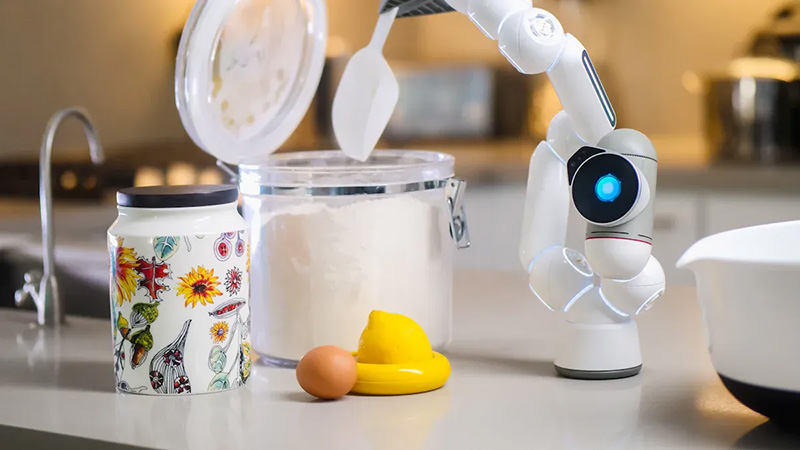
You see baking production lines evolve rapidly as new food processing machine innovations enter the market.
Modern baking production lines commonly implement technologies such as smart ovens, automated equipment, and energy-efficient solutions. Smart ovens enhance precision and consistency in baking, while automation in production lines includes machines like cookie depositors and bakery packaging machines, which work together to improve output and quality.
These changes bring greater efficiency, product consistency, and adaptability, but also introduce new challenges for bakeries.
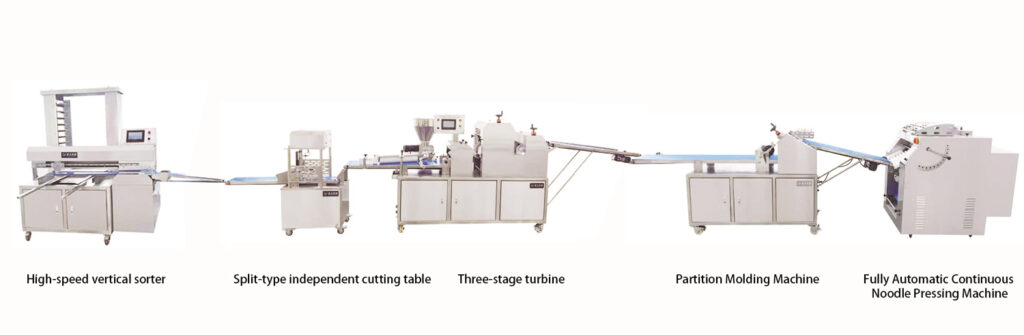
You can see automation and robotics transforming bakery production lines. Modern dough handling systems use advanced technology to streamline every step, from mixing to shaping. Automated mixers and commercial dough sheeter machines help you achieve uniform dough thickness and reduce physical strain. These systems ensure consistent results and allow you to handle large volumes with minimal manual intervention. The high-speed bread production line stands out as a prime example of advanced food processing machine design. Its main structure includes a pre-pressing roller, a 12-roller thinning unit, a leveling host pressing roller, a filling machine, an independent cutting station, and a pinching or forming machine for spherical products. This setup gives you the flexibility to produce a wide range of bread products, such as Silver Thread Rolls, Honeycomb Buns, Caterpillar Breads, Milk Buns, French Dinner Rolls, Toast Bread, European Breads, Dinner Rolls, Stuffed Burgers, Burger Buns, Egg Milk Cakes, and Yogurt Mahua. You can switch between products without needing multiple machines, which increases your production flexibility.
Robotic packaging systems handle repetitive tasks with speed and accuracy. You can rely on these systems to align, stack, and package baked goods efficiently. Automated packaging reduces errors like misaligned stacks or missing items. It also maintains a steady pace, avoiding slowdowns caused by fatigue. As a result, you increase throughput by 10-15% and maintain consistent product quality. These systems also help you meet food safety standards by minimizing human contact, which reduces the risk of contamination.
Smart ovens and automated applicators use closed-loop control systems to monitor and adjust baking conditions in real time. Sensors track temperature, humidity, and baking time, allowing you to maintain precise control over the process. This technology ensures that every batch meets your quality standards. You can prevent accidents and respond quickly to any issues, which improves both safety and efficiency.
Industrial baking ovens and smart ovens are in demand due to their energy efficiency. The baking industry is gaining huge returns on investments with these power-saving baking equipment. Low emissivity ovens could help in approx. 36–57% energy efficiency.
Automatic shut-off features add another layer of safety and efficiency. These systems detect when baking cycles finish or when abnormal conditions occur. You can avoid overbaking and reduce energy waste. This feature also protects your equipment from damage and helps you comply with safety regulations.
| Impact Type | Description |
|---|---|
| Production Efficiency | Intelligent monitoring systems enhance transparency and allow for prompt action to prevent accidents. |
| Product Quality | Automation ensures consistent quality by controlling variables like temperature and humidity. |
| Energy Savings | Low emissivity ovens can achieve 36–57% energy efficiency, leading to significant cost savings. |
Machine vision technology uses AI-powered cameras and sensors to monitor dough consistency and detect jams. You can spot issues early and intervene before they escalate. Real-time monitoring also helps you maintain consistent heating in ovens, which prevents production halts. These systems give you greater transparency and control over your food processing machine operations.
Predictive maintenance algorithms analyze wear-and-tear patterns in your equipment. The system schedules maintenance before problems cause downtime. AI-powered thermal imaging and vibration monitoring predict failures in ovens and conveyors. You receive alerts about temperature drops or unusual vibrations, so you can act quickly and avoid costly interruptions. This proactive approach keeps your bakery running smoothly and extends the lifespan of your food processing machines.
You can see that the latest food processing machine innovations give you the tools to boost productivity, improve quality, and stay competitive in a fast-changing market.
You can boost your bakery’s output by implementing automated production lines. Automation increases conveyor speed and maintains accuracy, even when you ramp up production. You meet market demand more easily and avoid bottlenecks. Equipment designed for easy maintenance helps you minimize downtime, so your bakery operates smoothly throughout the day.
| Aspect | Benefit |
|---|---|
| Speed | Increased conveyor speed enhances overall production speed. |
| Accuracy | Automation maintains product assembly accuracy even at higher speeds. |
| Downtime Reduction | Equipment designed for easy maintenance minimizes downtime. |
Automation creates a controlled and scalable production environment. You can expand your operations without sacrificing quality or efficiency. Automated lines operate continuously, which increases output and helps you fulfill large orders.
You reduce manual labor costs by using advanced food processing machine technology. Automated systems handle repetitive tasks, so you need fewer staff for production. This shift allows you to allocate resources to other areas, such as product development or customer service. You also decrease the risk of human error, which leads to fewer mistakes and less waste.
Tip: Automation not only increases efficiency but also helps you maintain high-quality standards across all products.
Modern food processing machines help you achieve uniform results in every batch. You control critical factors like temperature, texture, and timing with precision. This consistency ensures that your customers receive the same quality every time they buy your baked goods. Automated monitoring systems continuously check product quality and minimize deviations.
You gain precise control over your baking process with advanced technology. Machines like the Dough mixer, heating, and cooling, preserving the integrity of your products. You adjust settings to match specific recipes, which helps you maintain high standards. Real-time data analysis lets you optimize production and reduce waste.
Intelligent control systems in bakery equipment help you save energy and lower costs. Features like programmable heating, vapor-tight ovens, and remote diagnostics optimize resource use. You can monitor energy consumption and adjust settings to maximize efficiency.
| Equipment | Energy Savings (%) | Key Features |
|---|---|---|
| General oven | 10-15 | Waste gas/steam recycling, optimized hot gas distribution, reduced burner run-times |
| General steaming | 10 | Optimized steaming process with flexible temperature adjustment, reduced waste from steaming |
| General heating-up | 40 | Automatic smoke gas partition reducing heating-up time |
You minimize waste by using smart systems that monitor production and adjust processes in real time. Automated equipment helps you optimize ingredient use and reduce overproduction. Sustainable practices become easier to implement, which lowers your carbon footprint and builds trust with consumers.
You see that investing in advanced food processing machine technology brings practical benefits. You increase efficiency, maintain consistent quality, and save energy, all while reducing costs and supporting sustainability.
Food safety and regulatory compliance play a vital role in modern bakeries. You rely on advanced food processing machines to meet strict standards and protect your customers. These food processing machines help you track ingredients, monitor hygiene, and document every step in your production process.
You need to know where every ingredient comes from and how each product moves through your bakery. Food processing machines with integrated digital systems make this possible. You can scan barcodes, record batch numbers, and store data automatically. This traceability helps you respond quickly if a recall or safety issue arises.
Digital Standard Operating Procedures (SOPs) work with Computerized Maintenance Management Systems (CMMS). You use these tools to verify that every procedure follows the rules. You create audit trails that inspectors can review. This approach reduces surprises during inspections and strengthens your food safety program.
Tip: Traceability systems help you identify problems early and prevent unsafe products from reaching customers.
| Component | Description |
|---|---|
| Good Manufacturing Practices (GMPs) | You follow GMPs to create a safe environment for food processing. |
| HACCP Plan | You document critical control points and safety steps in your HACCP plan. |
| FSMA Requirements | You set up preventive controls and verify safety measures to meet FSMA rules. |
You must keep your bakery clean to prevent contamination. Food processing machines support hygiene monitoring by tracking cleaning schedules and equipment maintenance. Sensors and automated alerts remind you when it is time to clean or inspect a food processing machine. You reduce the risk of bacteria and allergens in your products.
You follow a step-by-step process to maintain food safety:
You use these steps to build a strong food safety system. Machines help you monitor each stage and record results. You can show regulators that you meet all requirements.
Food processing machines give you confidence in your bakery’s safety and compliance. You track ingredients, monitor hygiene, and document every action. You protect your customers and your business by using technology to meet today’s food safety standards.
You must prepare your team for new technology in your bakery. A well-defined and consistent training program shows your commitment to your employees. This approach creates a productive environment and helps you keep skilled workers. You should focus on employee development and training. Offer flexible work schedules and more time off, such as three weeks of paid vacation. These incentives make your bakery a more attractive place to work.
“We need to get the employees involved with the process and decision-making so they can have clear goals and expectations that they need to meet.”
When you involve your team in the process, you set clear goals and expectations. This involvement builds trust and encourages everyone to adapt to new systems.
You will see better results when your staff works alongside machines. Machines handle repetitive tasks, while your team focuses on quality control and creative work. You should encourage open communication between operators and technicians. This collaboration helps you solve problems quickly and keeps your production line running smoothly. You can also create excitement about your brand by showing how technology improves the workplace.
You can upgrade your bakery in stages by choosing modular equipment. Modular upgrades let you add new features without replacing your entire system. This method saves money and reduces downtime. You can scale your production as your business grows.
You need food processing machines that share data easily. When you select equipment, make sure it integrates with your current systems. For example, custom processing lines can fit into your existing setup. This integration improves efficiency and keeps your bakery running without interruptions. You can track production data and make better decisions with connected systems.
You may face resistance when you introduce new technology. To overcome this, communicate the benefits clearly. Involve your team in decision-making and provide training. Set realistic goals and celebrate small wins. These steps help your staff feel confident and motivated.
You must protect your bakery’s data as you adopt smart food processing machines. Use secure networks and update your software regularly. Train your team to recognize security risks. Strong cybersecurity keeps your production data safe and ensures compliance with industry standards.
You face several financial challenges when you invest in new food processing machines. High initial investment costs often create barriers for bakeries, especially smaller ones. Upfront costs for sustainable equipment can be higher than traditional options. You also need to comply with strict regulations, which may require additional spending on upgrades or certifications. Many bakeries hesitate to adopt new technology because of these financial hurdles.
However, you should consider the long-term savings. Energy-efficient food processing machines can reduce your utility bills. For example, upgrading to energy-efficient bakery proofing cabinets can save you up to 30% on energy bills over five years. These savings help offset the initial expense and improve your bottom line.
You have several ways to manage the financial impact of new equipment. Leasing or financing programs can spread out payments, making it easier to upgrade without straining your budget. Some equipment suppliers offer flexible payment plans or incentives for energy-efficient purchases. You can also look for government grants or tax credits that support sustainable investments.
When you invest in high-quality bakery equipment, you often see a strong return. Automation increases your operational efficiency, which leads to higher output and revenue. Advanced food processing machines reduce labor costs and improve productivity. Consistent product quality helps you retain customers and strengthen your brand reputation.
Ongoing maintenance is essential for complex food processing equipment. You can partner with service providers to ensure your food processing machines stay in top condition. Many bakeries use a Computerized Maintenance Management System (CMMS) to manage maintenance tasks and comply with regulations. A CMMS helps you create tailored maintenance plans, optimize spare parts inventory, and automate routine maintenance schedules.
| Feature | Description |
|---|---|
| Improve quality management | Use a CMMS to comply with Current Good Manufacturing Practices (CGMP) regulations. |
| Documentation for audits | Easily provide documentation needed to pass audits conducted by FDA, USDA, OSHA, etc. |
| Unique maintenance plans | Create tailored maintenance plans for both new and aging equipment and facilities. |
| Optimize inventory management | Ensure spare parts are available when needed, reducing idle time. |
| Preventive maintenance | Automate scheduling of routine maintenance to avoid costly unplanned repairs. |
| Maintenance reports | Generate reports to make informed, data-driven decisions about maintenance operations. |
| Mobile accessibility | Access CMMS features via mobile devices for on-the-go management. |
Remote diagnostics allow you to monitor equipment performance in real time. You can detect issues early and schedule repairs before they cause downtime. This proactive approach reduces unexpected breakdowns and keeps your production line running smoothly.
Digital food processing machines bring new data security risks. You must protect your operations from cyber threats. Optimized information flow increases vulnerability. Hackers may try to manipulate recipes or packaging, which can affect consumer health. Industrial espionage is another risk. Competitors may target your bakery to steal unique recipes or production methods.
You need to follow strict data protection regulations. Regular software updates and secure networks help you meet these requirements. Training your staff to recognize security risks is also important. By taking these steps, you protect your production data and maintain compliance with industry standards.
Tip: Strong cybersecurity and regular audits help you safeguard your bakery’s reputation and customer trust.
You see baking technology advancing quickly. New systems and tools help you improve productivity, quality, and sustainability in your bakery. You can expect smarter food processing machines, better data analysis, and greener practices to shape the future.
You benefit from self-optimizing systems that adjust baking parameters automatically. Smart ovens use artificial intelligence to monitor temperature, humidity, and baking time. These ovens change settings in real time, so you get consistent results with every batch. Continuous mixing technology also helps you maintain product quality. You do not need to make manual adjustments as often, which saves time and reduces errors.
You rely on food processing machines that detect problems and fix them without human intervention. Predictive maintenance uses sensors and AI to spot issues before they cause breakdowns. For example, tunnel ovens equipped with digital humidity monitoring can alert you to changes in baking conditions. These systems send maintenance alerts, so you can address problems quickly and avoid costly downtime.
Tip: Self-optimizing food processing machines help you focus on creativity and product development, while technology handles routine tasks.
You use advanced analytics to predict customer demand and plan production. Computerized inventory management tracks ingredient levels and usage. You can see which products sell best and adjust your baking schedule. This approach minimizes waste and ensures freshness. You avoid overproduction and keep your bakery efficient.
You gain valuable insights into customer preferences with data analysis. Machine vision tools, help you understand product quality from the inside out. You can identify imperfections and improve recipes. Analytics also reveal trends in consumer behavior, so you can develop new products that match market needs.
| Technology Type | Description |
|---|---|
| Automated Kneading Systems | Ensure consistent dough quality and save time, boosting bakery productivity. |
| Smart Ovens | AI-powered ovens adjust baking parameters in real time for optimal results and improved consistency. |
| Computerized Inventory Management | Track ingredient levels and usage, minimizing waste and ensuring freshness. |
| Energy-Efficient Baking Equipment | Reduce energy consumption, supporting sustainability and lowering operational costs. |
You see bakeries adopting eco-friendly packaging and materials. The Artisan Bakery uses recyclable and compostable packaging for baked goods. You can choose greener alternatives, such as reusable cutlery and plates, to reduce single-use items. These changes help you address environmental concerns and attract customers who value sustainability.
You can implement circular business models in your bakery. Coffee Cup Collective encourages customers to bring reusable cups, which are sanitized and reused. This practice reduces disposable waste and supports repeat business. You create a more sustainable operation by minimizing single-use items and promoting recycling.
You shape the future of baking by embracing smart technology, data-driven decisions, and sustainable practices. These trends help you stay competitive and meet the evolving demands of your customers.
You can use modern food processing machines to offer more customized products. These food processing machines let you adjust recipes and shapes quickly, so you can meet unique customer requests. For example, you can create gluten-free, allergen-free, or clean-label baked goods with ease. This flexibility helps you serve health-conscious customers and those with special dietary needs.
You can test new recipes and product ideas faster with advanced food processing machines. Rapid prototyping tools allow you to create small batches for sampling or market testing. This approach reduces risk and helps you respond to trends before your competitors. You can gather feedback, refine your products, and launch new items quickly.
Tip: Use rapid prototyping to stay ahead of trends and keep your menu fresh.
You gain a competitive edge by investing in advanced processing equipment. These food processing machines boost your manufacturing efficiency and ensure consistent quality. Automation and precise control systems increase your production capacity and lower your operational costs. You can deliver high-quality baked goods that stand out in a crowded market.
You can meet the growing demand for convenient, ready-to-eat products by upgrading your equipment. As more people seek quick meal solutions, you can produce bread, pastries, and cakes that fit busy lifestyles. Advanced food processing machines help you keep up with rising orders and maintain product quality, even as your business grows.
| Advantage | How It Helps Your Bakery |
|---|---|
| Consistent Quality | Builds customer trust and loyalty |
| Higher Efficiency | Reduces costs and increases output |
| Product Variety | Attracts new customers and markets |
You can accelerate technology adoption by forming partnerships with innovative ingredient suppliers. These collaborations help you access new solutions and stay updated on industry trends. Working closely with suppliers moves you beyond simple transactions and creates long-term value for your bakery.
You can join industry consortiums or joint ventures to boost your research and development efforts. For example, when companies combine their R&D and market resources, they can create high-value baking solutions faster. These partnerships help you localize products and respond to market needs more effectively.
Note: Strategic partnerships and consortiums give you access to shared knowledge, resources, and technology, making it easier to innovate and grow.
You start by evaluating your bakery’s current capabilities. Review your production processes and identify which areas benefit most from automation. Examine your staff’s technical skills and readiness to work with new food processing machines. Assess your existing equipment to see if it supports integration with advanced technology. This evaluation helps you understand your strengths and where you need improvement.
After you assess your capabilities, identify gaps that limit your progress. Look for production bottlenecks, quality issues, and staffing challenges. Pinpoint areas where manual tasks slow down operations or increase errors. Recognize missing skills or outdated equipment that prevent you from reaching your goals. By mapping these gaps, you set clear priorities for technology adoption.
You plan pilot projects to test new food processing machines before full-scale adoption. Follow these steps to ensure a successful pilot:
Pilot projects allow you to measure results and adjust your approach. You learn how new food processing machines fit into your workflow and address specific challenges.
Once you complete a successful pilot, you scale up your implementation. Expand automation to other production areas and integrate food processing machines across your bakery. Train your staff to handle new equipment and update your processes for maximum efficiency. Monitor progress and make adjustments as needed. Scaling up helps you realize the full benefits of technology adoption.
You measure success by tracking key performance indicators (KPIs). Use the following table to organize your metrics:
| KPI Type | Description |
|---|---|
| Production KPIs | Measure output and efficiency of production processes. |
| Quality KPIs | Assess the quality of products produced by the food processing machines. |
| Machine Processing KPIs | Track performance and efficiency of food processing machines used. |
| Operational Efficiency | Evaluate the overall efficiency of bakery operations. |
Monitor real-time reporting to enhance decision-making. Align improvements in local departments with your overall business goals. Schedule adherence on the shop floor improves supply chain performance. Track unplanned downtime percentage to minimize lost productivity. Monitor maintenance, repair, and operations (MRO) processes for efficiency.
You drive continuous improvement by analyzing throughput and identifying bottlenecks. Review data from food processing machines and work shifts to spot operational issues. Make adjustments to improve efficiency and productivity. Encourage feedback from your team and update your processes regularly. Continuous improvement ensures your bakery stays competitive and adapts to changing demands.
Tip: Regularly review your KPIs and involve your staff in improvement initiatives to maintain long-term success.
You see food processing machine innovations powering the future of baking. Advanced technology boosts productivity, reduces labor, and increases profitability. Smart food processing machines and AI-driven automation help you optimize workflow, minimize waste, and meet market demands. You benefit from improved forecasting, personalized marketing, and better inventory management. To move forward, consider integrating smart machines with sensors and connectivity, and explore robotic applications for packaging and decorating. Start with pilot projects and train your team to ensure a smooth transition.
| Benefit | Description |
|---|---|
| Increased Efficiency | Streamlined processes and reduced labor |
| Enhanced Quality | Consistent results and food safety |
| Greater Profitability | Lower costs and higher output |
Tip: Begin with small-scale automation and expand as your bakery grows.
What is a food processing machine in baking?
A food processing machine helps you mix, shape, bake, or package bakery products. You use these food processing machines to improve speed, consistency, and safety in your bakery.
How does automation benefit your bakery?
Automation lets you produce more baked goods with less effort. You reduce manual labor, increase output, and maintain consistent quality. You also lower the risk of errors.
Are smart ovens difficult to operate?
You find smart ovens easy to use. Touchscreen controls and preset programs guide you through baking steps. Sensors help you monitor temperature and time for perfect results.
Can you upgrade existing equipment with new technology?
You can add modular upgrades to your current food processing machines. Many systems allow you to install new features without replacing the entire setup. This saves money and reduces downtime.
How do food processing machines improve food safety?
You track ingredients and monitor hygiene with digital systems. Automated alerts remind you to clean equipment. You create audit trails for inspections and protect customers from contamination.
What maintenance do these food processing machines require?
You schedule regular cleaning and inspections. Predictive maintenance systems send alerts when parts need attention. Service partnerships and remote diagnostics help you fix issues quickly.