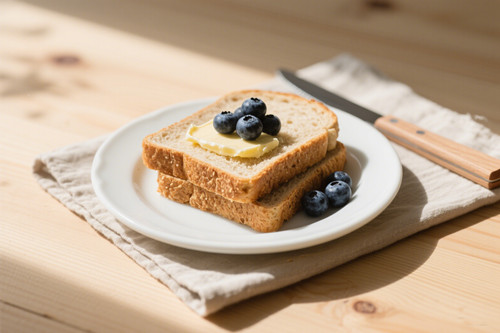

A bread dough mixer is a powerful tool that simplifies the process of making dough for bread, pizza, pastries, and other baked goods. It automates mixing and kneading, saves time, and ensures consistent dough quality. Whether you are a home baker or managing a small bakery, a bread dough mixer can help you achieve professional results.
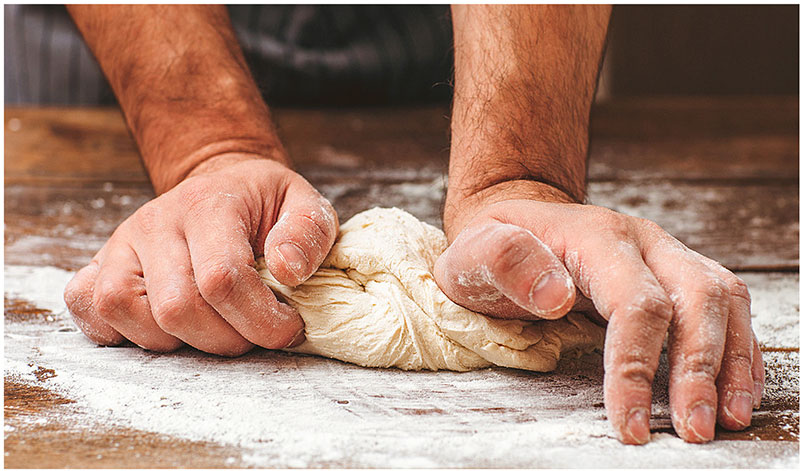
Before using your machine, familiarize yourself with its components: the mixing bowl, kneading hook, speed settings, timer, and optional attachments. Knowing these functions allows for safe operation and more efficient baking.
Accurate ingredient measurement is crucial. Proper hydration and temperature of flour and liquids ensure even mixing and proper gluten development, resulting in smooth, elastic dough.
Routine cleaning should be done after each use, including the bowl and attachments. Deep cleaning and inspection of mechanical parts every 4–6 weeks ensures the machine remains hygienic and performs optimally.
| Component | Cleaning Frequency | Tips |
|---|---|---|
| Mixing bowl | After each use | Use mild detergent; avoid abrasive scrubbers |
| Kneading hook | After each use | Check for bending or wear |
| Machine exterior | After each use | Wipe with damp cloth |
| Motor & gears | Every 4–6 weeks | Lubricate if recommended |
A high-quality bread dough mixer saves time, ensures consistency, and allows you to experiment with recipes confidently. Beginners and professional bakers alike can benefit from automated kneading.
Investing in a bread dough mixer enhances your baking experience. Proper use, ingredient accuracy, and regular maintenance result in perfect dough for bread, pizza, and pastries every time, making baking more efficient, consistent, and enjoyable.
What is a flour dough machine used for?
A bread dough mixer automates mixing and kneading, saving time while producing consistent dough for bread, pizza, and pastries. It ensures proper gluten development and texture for professional-quality baking.
Can a flour dough machine handle different types of dough?
Yes. Most bread dough mixers can mix white, whole wheat, sourdough, and gluten-free dough by adjusting speed and kneading time, allowing versatility for various recipes.
How long should dough be kneaded in a flour dough machine?
Typically 8–12 minutes depending on flour type, hydration, and recipe. Proper kneading develops gluten, resulting in smooth, elastic dough ready for baking.
Is a flour dough machine suitable for beginners?
Absolutely. It simplifies kneading, ensures consistent results, and allows beginners to try multiple recipes without advanced skills, making baking easier and more reliable.
How should I maintain my flour dough machine?
Clean after each use and perform deep cleaning of hooks, bowls, and motor parts every 4–6 weeks. Regular maintenance ensures long-lasting performance and hygienic operation.
If you’re unsure which flour dough machine is best for your home or bakery, our experts are here to help. Contact us today for a personalized consultation, and ensure your dough is consistently perfect every time. Don’t wait—get in touch now to elevate your baking!