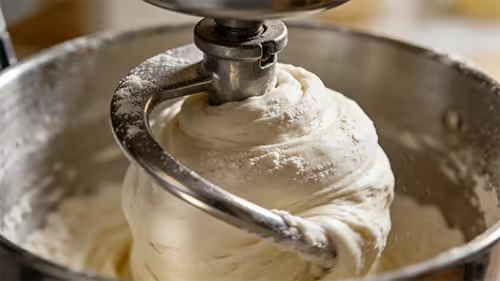

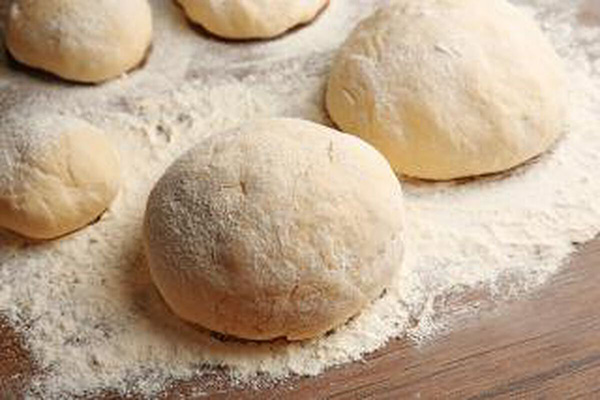
A bread dough mixer is a versatile kitchen appliance designed to automate the mixing and kneading process for bread dough. Whether you are making a simple white loaf or experimenting with specialty recipes like whole wheat or gluten-free bread, this machine ensures consistent dough texture and reduces manual effort. According to a report by Kitchen Appliance Insights (2025), households using automated dough mixers reported 40% less time spent on bread preparation while achieving uniform dough quality.
Dough bread mixers come in different types: home-friendly models suitable for small batches and commercial-grade machines built for bakeries or larger-scale operations. Understanding which type suits your needs is essential before making a purchase.
The core components of a bread dough mixer include the mixing bowl, dough hooks, motor, and control panel. The bowl and hooks are responsible for thoroughly combining ingredients, while motor power and speed settings influence kneading efficiency. Safety features such as non-slip feet, overload protection, and automatic shutoff ensure beginners can operate the machine with minimal risk.
Before using your mixer, unbox and assemble all parts according to the manufacturer’s instructions. Inspect hooks and the bowl for any damage, and ensure the machine is stable on a flat surface. Running a short test cycle with a small amount of flour and water allows you to familiarize yourself with speed settings and motion patterns.
Many beginners overload the mixer, which can strain the motor and prevent proper kneading. Incorrect ingredient measurement or ignoring dough texture can lead to dense or uneven bread. Following instructions and using recommended quantities ensures consistent results.
Routine cleaning is critical to maintain hygiene and machine efficiency. Wash the mixing bowl and dough hooks with warm water and mild detergent after each use. Inspect the motor area and attachments every 4–6 weeks and perform deep cleaning to prevent residue buildup. Regular maintenance extends the machine’s lifespan and preserves performance.
If dough sticks excessively, reduce batch size or lightly oil the bowl. Unusual noises may indicate misalignment or a worn motor, requiring inspection. If the mixer fails to start, check the power supply and safety locks. Addressing small issues early prevents long-term damage.
| Feature | Home Model | Commercial Model |
|---|---|---|
| Batch Size | 500g–1kg | 2kg–10kg |
| Motor Power | 250–500W | 1kW–2kW |
| Price Range | Affordable | Higher, but durable |
| Ease of Use | Beginner-friendly | Requires training |
| Program Options | Basic bread and dough cycles | Advanced, multiple dough types |
Selecting the right mixer depends on batch size, frequency of use, and your baking goals.
Experiment with kneading times and speed settings based on dough type. Allow dough to rest during fermentation for optimal elasticity and flavor. Track your ingredient ratios and outcomes to refine recipes over time. A dough bread mixer allows you to maintain precision while exploring new bread varieties.
Using a bread dough mixer simplifies bread making, ensuring professional-quality results even for beginners. By understanding the machine components, selecting proper ingredients, and maintaining the equipment, you can consistently bake high-quality bread. Experiment, follow guidelines, and enjoy the convenience and precision that a dough bread mixer brings to your home or bakery.
What is a dough bread mixer?
A bread dough mixer is a kitchen appliance that automatically mixes and kneads bread dough, ensuring even texture and saving time compared to hand kneading, making bread baking easier and consistent.
Can a dough bread mixer handle different types of dough?
Yes, most dough bread mixers can knead various doughs, including white, whole wheat, sourdough, and gluten-free, depending on the machine’s speed and program settings.
How often should I clean my dough bread mixer?
Clean your dough bread mixer after each use, and perform a deep clean—including hooks, bowls, and motor areas—every 4–6 weeks to maintain optimal performance.
Is a dough bread mixer suitable for beginners?
Absolutely. A dough bread mixer simplifies kneading, ensures consistent dough, and allows beginners to try multiple bread recipes without manual effort.
What size dough bread mixer should I choose?
Choose based on your baking needs: home models suit small batches, while commercial dough bread mixers handle larger quantities for bakeries or restaurants.
If you’re unsure which bread dough mixer is best for your home or bakery, our experts are here to help. Contact us today for a personalized consultation, and ensure your bread is consistently perfect every time. Don’t wait—get in touch now to elevate your baking!