

In modern bakeries, efficiency and consistent product quality are essential for staying competitive. A soft bread production line is designed to streamline the process of making various types of soft bread, from fluffy buns to enriched loaves. By automating critical steps such as mixing, proofing, shaping, and baking, these production lines reduce manual labor and ensure uniformity in texture and taste.
Elements that define a high-performance soft bread production line include:
Implementing a soft bread production line can significantly improve productivity while maintaining the highest standards of product quality.
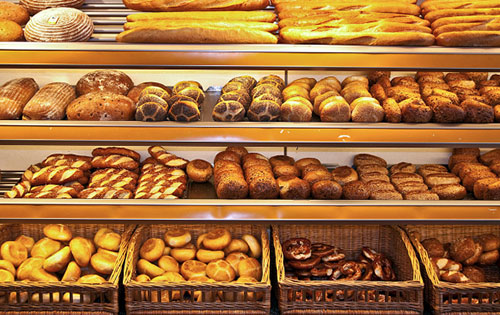
Modern soft bread production lines integrate multiple stages into one seamless workflow. By connecting mixers, dough dividers, proofing cabinets, and ovens, bakeries can reduce bottlenecks and increase throughput. According to research from bakery industry reports, automated lines can increase production capacity by up to 50% compared to manual processes.
Uniformity in dough hydration, proofing, and baking is crucial. A soft bread production line ensures that each batch has the same texture, volume, and softness. Key elements include:
One of the major benefits is the ability to handle seasonal products, such as festival buns or holiday soft bread varieties. Modern lines allow easy adjustment of recipes and shapes without compromising efficiency.
| Component | Function | Key Advantage |
|---|---|---|
| Dough Mixer | Mixes ingredients into uniform dough | Consistent hydration and texture |
| Divider & Rounder | Portions dough accurately | Uniform size and weight |
| Proofing Cabinet | Controlled fermentation | Consistent rise and softness |
| Automated Oven | Bakes dough to perfection | Even browning and texture |
| Cooling Conveyor | Quick product cooling | Maintains structure and quality |
This table helps bakery operators understand how different elements interact and why each component is critical for high-quality output.
When selecting a line, consider:
Comparing different options based on these factors ensures you invest in the most suitable solution for your bakery.
Investing in a soft bread production line is a strategic move for bakeries aiming to enhance efficiency, ensure consistent quality, and handle seasonal production surges. By integrating advanced mixers, proofing cabinets, and automated ovens, your bakery can deliver top-quality soft bread with reduced labor and energy consumption.
For professional guidance on selecting and implementing the right soft bread production line for your business, contact Chengwo Food Machinery today. Our experts will provide tailored solutions that optimize your production and maximize your output.
How much space does a soft bread production line require?
It depends on the capacity and components. Most medium to large lines require dedicated floor space for mixers, proofers, and ovens.
Can I adjust the line for different types of soft bread?
Yes, modern lines are designed with flexibility to produce a variety of soft bread, buns, and enriched loaves.
How does a proofing cabinet improve dough quality?
Proofing cabinets maintain consistent temperature and humidity, which ensures even fermentation and soft texture.
Is a soft bread production line energy efficient?
Most modern lines incorporate energy-saving features like optimized motors and heat recovery systems.
How long does it take to see ROI after installing a line?
Depending on production volume, bakeries typically see a return on investment within 12-24 months, based on labor and efficiency gains.