
Making pizza at home has become increasingly popular, and the pizza dough maker machine has emerged as an essential kitchen tool for enthusiasts. Understanding the potential of this machine can save you time, improve your dough quality, and elevate your homemade pizza experience. In this article, we will explore four fantastic secrets about pizza dough maker machines, providing both conceptual insights and practical tips. From comparing features to understanding different dough techniques, this guide will help you make informed decisions before investing in one.
A key feature of any pizza dough maker machine is its ability to streamline the dough preparation process. Efficiency is measured by speed, consistency, and ease of use. A high-quality machine mixes, kneads, and sometimes even allows the dough to proof, eliminating the need for multiple bowls and hand-kneading.
Automation in dough-making involves controlled mixing speeds, timed kneading cycles, and sometimes integrated heating for proofing. Machines with programmable settings allow you to experiment with different dough textures without worrying about manual errors.
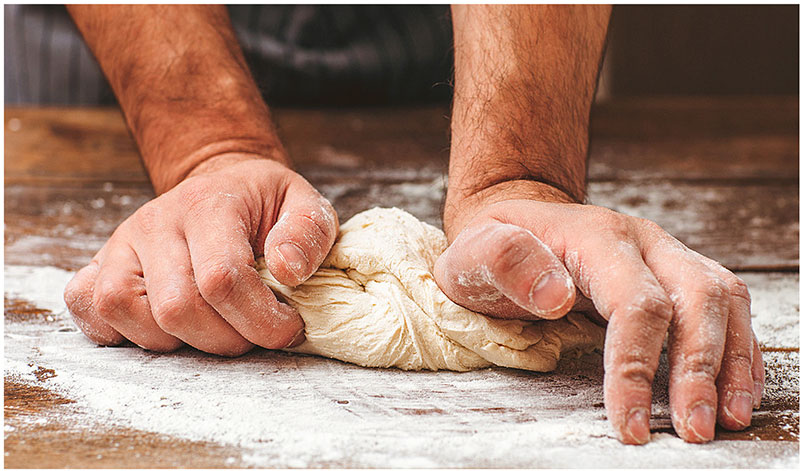
Manual dough preparation can offer flexibility, but it often requires more time and expertise to achieve consistent results. On the other hand, a pizza dough maker machine provides uniform dough every time, reducing the risk of over-kneading or uneven mixing.
Different types of dough—thin crust, thick crust, or sourdough—require varying kneading durations and speeds. Many modern machines offer presets for these dough types, allowing even beginners to produce bakery-quality results.
Home bakers save significant effort and reduce mess, making it easier to experiment with different recipes. Additionally, the consistency achieved helps improve the final pizza texture, which is often a challenge when kneading by hand.
The hydration level of dough is a fundamental concept that influences texture. Pizza dough maker machines allow precise measurement of water-to-flour ratios, ensuring dough remains neither too sticky nor too dry.
Gluten gives pizza dough its elasticity and chewiness. The controlled kneading cycles of a pizza dough maker machine help develop gluten gradually, preventing overworking, which can make dough tough.
Some machines allow users to choose soft, medium, or firm textures. For instance, soft dough is ideal for Neapolitan-style pizzas, while firmer dough works well for deep-dish pizzas. By selecting settings carefully, bakers can replicate restaurant-quality pizza textures.
Using a machine consistently leads to uniform dough portions. This is particularly helpful when preparing multiple pizzas, reducing baking time differences and ensuring even cooking.
Many pizza dough maker machines are versatile, capable of preparing bread dough, pasta dough, and even pastries. Understanding the functional range helps you choose a machine that complements your cooking style.
Machines vary in dough capacity, typically ranging from 1 to 3 pounds. Larger machines suit families or parties, while smaller units are ideal for solo bakers or couples.
Accurate temperature control is essential for proofing and dough rise. Machines with adjustable timing help accommodate various recipes, from fast pizzas to slow-fermented artisanal doughs.
Functional design often includes detachable mixing paddles and non-stick bowls. These features simplify maintenance and ensure hygiene, which is critical for home kitchens.
While some machines use more power during kneading, efficient models balance performance with energy consumption, saving costs over time.
| Feature | Basic Machine | Mid-Range Machine | High-End Machine |
|---|---|---|---|
| Maximum Dough Capacity | 1 lb | 2 lb | 3 lb |
| Kneading Cycles | 1 | 2 | 3 |
| Proofing Option | No | Partial | Full |
| Preset Dough Programs | 2 | 4 | 6 |
| Price Range | $50-$80 | $100-$150 | $200+ |
This table helps users quickly compare machines based on capacity, features, and budget, making it easier to select the best option for their needs.
When choosing a machine, consider not only features but also long-term usability. Weight, noise level, and durability impact the daily baking experience. Advanced users may prioritize full automation, while beginners might prefer simplicity.
Professional machines often offer higher capacity and durability but come at a higher cost. Home machines focus on convenience, balance features, and fit comfortably on a kitchen counter. Understanding these differences helps prevent overspending on unnecessary features.
Evaluate your baking frequency, preferred dough types, and storage space. Machines that align with your lifestyle lead to more consistent use and better results.
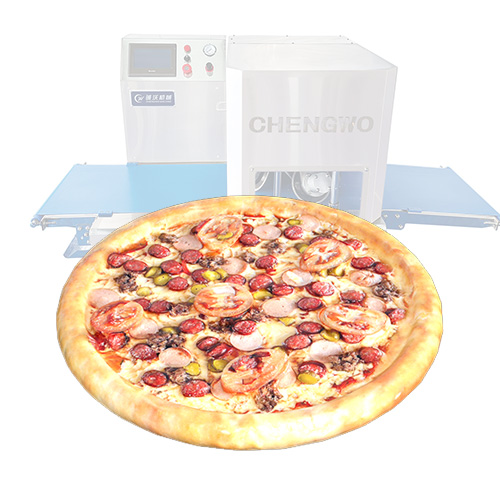
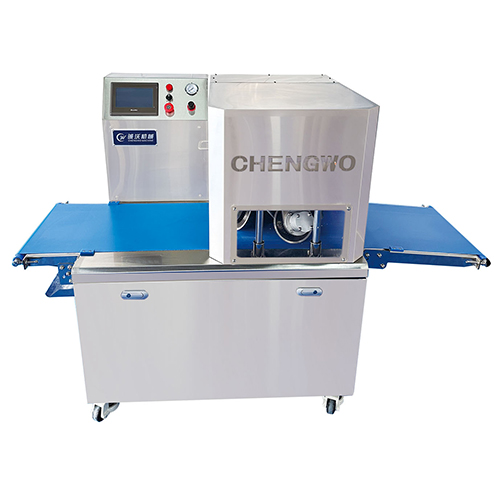
The pizza dough pressing machine has become an essential tool in the evolution of modern pizzerias and bakeries. It delivers consistency, saves time, and ensures that every pizza meets exacting standards of texture and taste. At Chengwo, we design intelligent dough pressing systems that integrate seamlessly into automated pizza production lines. Whether you’re upgrading a local shop or scaling a factory operation, our solutions offer lasting performance and measurable ROI.
Can I make other types of dough with it?
Yes, most machines can handle bread, pasta, and pastry dough. Check the machine’s presets and capacity to ensure it fits your cooking needs.
How do I choose between different pizza dough maker machines?
Consider capacity, kneading cycles, proofing options, and price. Compare features using tables or reviews, and align them with your baking habits.
Will the machine save me time compared to hand-kneading?
Absolutely. Machines typically reduce dough preparation time by 50–70%, depending on the recipe and machine speed.
How does it affect dough texture compared to manual kneading?
The machine provides more consistent gluten development and hydration control, resulting in uniform, chewy, and well-risen dough. Manual methods may vary with experience.