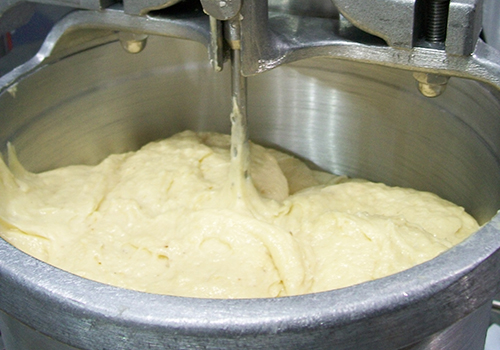

Choosing the right dough mixer is a critical step for bakeries, food processing facilities, and commercial kitchens aiming to optimize efficiency and maintain consistent product quality. The dough mixer commercial plays a central role in achieving uniform dough texture, elasticity, and overall baked goods quality. Using the proper mixer ensures each batch meets professional standards, reduces waste, and lowers labor costs.
With the increasing demand for freshly baked products and faster turnaround times, bakeries need equipment that can keep up with production requirements. Whether you are running a small artisan bakery or managing a large-scale production line, understanding the differences between commercial and industrial dough mixers will help you make informed investment decisions that impact your long-term operational efficiency.

A dough mixer commercial is designed to mix flour and other raw ingredients and knead dough to achieve uniform consistency. It is ideal for bakeries that produce bread, biscuits, cakes, and other baked products in moderate volumes. These mixers use strong stirring action to make dough reach the desired elasticity and texture, which is essential for creating products with a professional finish.
Commercial mixers are particularly advantageous for operations that need versatility without the complexity and space requirements of industrial systems. Their relatively compact size allows them to fit into kitchens with limited floor space, while still delivering consistent dough quality.
Industrial dough mixers are engineered for high-volume production. They can handle large batches of dough while maintaining consistent results over long operating periods. With powerful motors, robust construction, and advanced control systems, these mixers are ideal for continuous production lines in commercial bakeries and food processing plants.
Industrial mixers ensure uniform hydration, consistent gluten development, and reproducible dough texture across multiple batches, which is critical for bakeries supplying high-volume or pre-packaged products.
The durability and performance of industrial mixers allow businesses to scale production without compromising product quality or increasing manual labor demands significantly.
Understanding the differences helps you select the right equipment for your bakery. Key factors include capacity, motor power, durability, and production needs.
| Feature | Dough Mixer Commercial | Industrial Dough Mixer |
|---|---|---|
| Capacity | 5-50 kg per batch | 50-500 kg per batch |
| Motor Power | 1-5 kW | 5-20 kW |
| Typical Use | Small-medium bakeries | Large-scale production lines |
| Operation Frequency | Short runs, frequent cleaning | Continuous high-volume runs |
| Dough Types | Standard, enriched, pizza | High-gluten, specialty dough |
| Maintenance | Easy to clean and maintain | Requires scheduled servicing |
In addition to these specifications, the choice between commercial and industrial mixers depends heavily on your operational workflow, labor availability, and space constraints. Commercial mixers are generally more user-friendly and flexible, while industrial mixers are designed to endure heavy-duty, repetitive use with minimal downtime.
Start by calculating your average batch size and daily output. If your bakery produces dozens of batches a day, a dough mixer commercial may suffice. For high-volume bakeries producing hundreds of batches, an industrial mixer ensures efficiency and consistent dough quality across all batches.
Dough mixer commercial are compact and can be integrated into smaller kitchens or modular bakery layouts. Industrial mixers require reinforced flooring and more open space to accommodate weight, vibration, and safety clearances.
Consider the types of dough you produce regularly. Commercial mixers handle standard and enriched doughs effectively. Industrial mixers, on the other hand, are better suited for high-gluten or specialty doughs that require intensive mixing action to develop structure and elasticity.
Compare the energy consumption of different models relative to batch size. Industrial mixers offer higher throughput but require greater power input. Balancing efficiency and operating cost is key to sustainable bakery operations.
Regular maintenance extends the life of your dough mixer. Commercial mixers typically require weekly cleaning and basic mechanical inspections, whereas industrial mixers need scheduled servicing to ensure long-term durability and prevent costly downtime.
Adjust mixing time based on dough hydration, flour type, and recipe requirements. Overmixing can lead to a tight, less extensible dough, while undermixing results in uneven gluten development.
Introducing water gradually and monitoring ingredient temperature improves dough consistency and fermentation activity. Using temperature-controlled water can enhance yeast performance and final product texture.
Pair your dough mixer with proofing cabinets, sheeters, and ovens to streamline production. Automating subsequent steps ensures efficiency, reduces manual labor, and maintains consistent product quality.
A medium-sized bakery integrated a commercial dough mixer with a proofing cabinet and automated dough divider. The result:
Such case studies demonstrate how selecting the right mixer type significantly improves productivity and product quality.
Selecting the right dough mixer commercial or industrial model depends on your production volume, dough types, available space, and budget. Commercial mixers offer flexibility and efficiency for small to medium bakeries, while industrial mixers deliver high-volume consistency and durability for large-scale operations.
For expert guidance and customized solutions, contact Chengwo Food Machinery today to identify the perfect dough mixer for your bakery and enhance your production workflow.
What is the main difference between industrial and dough mixer commercial?
Industrial mixers handle larger batch sizes and are built for continuous production, while commercial mixers suit moderate production volumes.
Which mixer is best for small bakeries?
Commercial dough mixers are ideal due to their flexibility, smaller footprint, and lower operating costs.
Can dough mixer commercial handle sticky or enriched dough?
Yes, many models are equipped to handle sticky, enriched, or pizza dough efficiently.
How often should commercial dough mixers be maintained?
Weekly cleaning and monthly mechanical inspections are recommended for optimal performance.
Are industrial dough mixers cost-effective for growing bakeries?
They can be, especially if production volume increases significantly, though they require higher upfront investment and space.