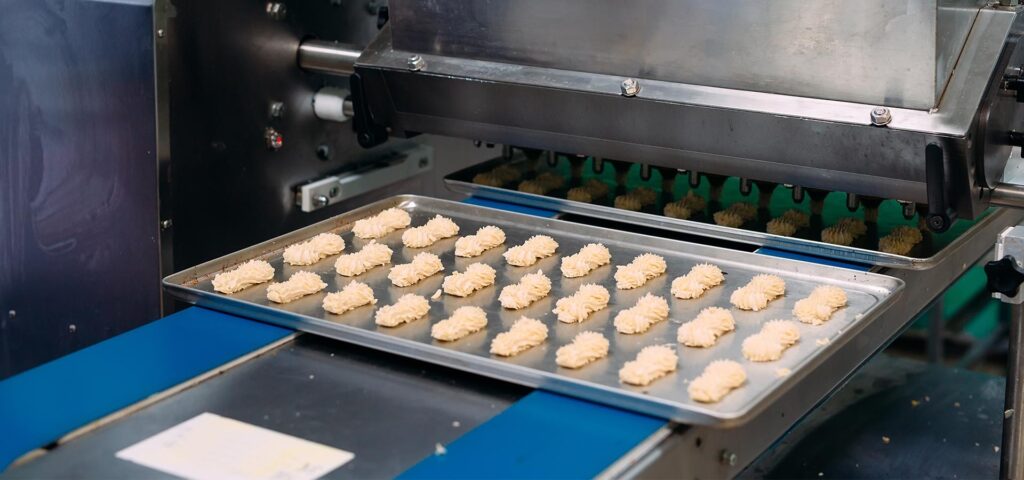

In today’s competitive bakery industry, efficiency and consistency are no longer optional—they are essential. A bun bread soft bread production line is designed to automate the entire process of producing soft bread products, from dough preparation to final shaping and baking.
For bakeries aiming to scale operations while maintaining product quality, this type of production line offers a practical solution. According to data from Food Industry Automation Reports, automated bakery lines can improve production efficiency by up to 45% while reducing labor dependency significantly. This makes them an ideal choice for industrial bakeries, chain operations, and growing food production businesses.
A modern bun bread soft bread production line is highly versatile and supports a wide variety of bakery products. These include:
This flexibility allows you to diversify your product offerings without investing in multiple separate machines. The system can easily adapt to different dough types and recipes, helping bakeries respond quickly to market demand.
The production process begins with a series of rollers that prepare the dough for further processing. The first pre-press roller shapes the dough initially, followed by a 12-roller thinning unit that ensures uniform thickness. The final pressing roller flattens the dough sheet to achieve consistency, which is critical for product uniformity.
An integrated filling system allows precise injection of fillings into buns and specialty products. This ensures consistent filling quantity and placement, reducing waste and improving product quality.
The cutting unit operates independently, allowing the dough to relax before being divided. This design improves weight accuracy and ensures stable operation during high-speed production. It also enhances the final appearance and consistency of each product.
The high-speed forming system increases production efficiency by up to 50% compared to traditional equipment, according to equipment performance studies. It handles various shapes, including round buns and filled products, while maintaining a simple and reliable structure.
Automation is at the heart of a modern bun bread soft bread production line. The system is equipped with a PLC control unit, ensuring precise operation and coordination between different stages.
Photoelectric sensors monitor dough movement in real time, while a touchscreen interface allows operators to adjust parameters easily. The system can store multiple recipes, enabling quick switching between products without compromising consistency.
This level of automation reduces human error and ensures repeatable results, which is essential for large-scale production.
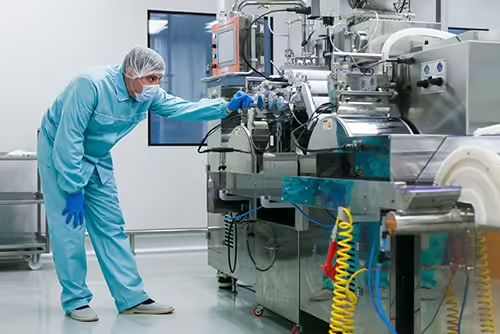
Durability and hygiene are critical in food production environments. The entire machine is constructed from stainless steel, ensuring resistance to corrosion and compliance with food safety standards.
Precision laser cutting and welding provide structural stability, while the smooth surface design makes cleaning easier. Low-noise operation also improves the working environment, which is often overlooked but important in long production cycles.
Adopting a bun bread soft bread production line offers several measurable benefits:
One notable advantage is that the system does not damage the internal structure of the dough. This results in products with better gloss, uniform texture, and consistent quality across batches.
| Factor | Automated Production Line | Traditional Method |
|---|---|---|
| Dough Handling | Consistent, automated | Manual, variable |
| Product Uniformity | High | Inconsistent |
| Production Speed | High | Low |
| Labor Requirement | Reduced | High |
| Dough Structure Integrity | Preserved | Often damaged |
This comparison highlights how automation not only improves efficiency but also enhances product quality, making it a strategic investment for growing bakeries.
Selecting the right bun bread soft bread production line depends on several key factors:
Choosing a system that aligns with your production needs ensures optimal performance and return on investment.
To maintain consistent performance, regular maintenance is essential:
Preventive maintenance not only extends equipment lifespan but also minimizes downtime, ensuring continuous production.
While the initial investment in a bun bread soft bread production line can be significant, the long-term benefits outweigh the cost.
Automation reduces labor expenses, increases production output, and minimizes waste. According to industry benchmarks, bakeries typically achieve a return on investment within 12 to 24 months after adopting automated production systems.
Additionally, improved product consistency helps strengthen brand reputation and customer satisfaction, contributing to long-term growth.
A bun bread soft bread production line is more than just equipment—it is a complete solution for improving efficiency, consistency, and scalability in modern bakeries. By investing in the right system, you can streamline production, reduce costs, and deliver high-quality products that meet market demand.
What products can a bun bread soft bread production line produce?
It can produce hamburger buns, toast bread, sweet bread, filled buns, and various soft bakery products.
How many units can it produce per hour?
Production capacity varies depending on configuration, ranging from hundreds to thousands of units per hour.
Can it handle filled and specialty products?
Yes, the integrated filling system allows accurate and consistent production of filled bakery items.
What maintenance is required?
Daily cleaning, routine inspection, and preventive maintenance are necessary to ensure long-term performance.
How to choose between semi-automatic and fully automatic systems?
Fully automatic systems are ideal for large-scale production, while semi-automatic lines are suitable for smaller operations with limited budgets.
If you’re unsure which bun bread soft bread production line is best for your bakery or production needs, our experts are here to help. Contact us today for a personalized consultation and discover how to improve efficiency, reduce labor costs, and achieve consistent, high-quality results. Don’t wait—get in touch now to upgrade your bakery production.