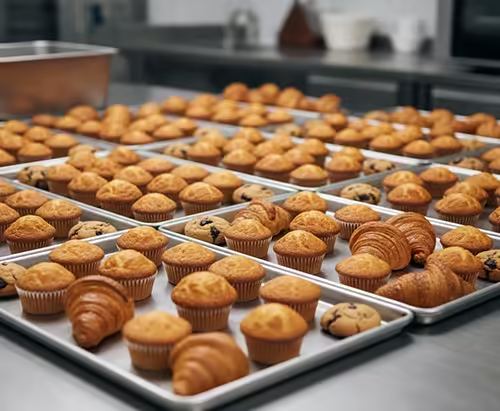

In today’s industrial bakery sector, efficiency, consistency, and scalability are crucial for success. Industrial bread machines are specialized equipment designed to handle high-capacity dough mixing, kneading, and, in some cases, partially automated baking processes. Unlike small commercial or artisanal mixers, these machines are built for continuous operation, large batch production, and integration into automated bakery production lines.
Large-scale bakeries face significant challenges without industrial-grade equipment. Variations in dough quality, uneven fermentation, and inconsistent texture can all impact the final product and reduce operational efficiency. Industrial bread machines address these issues by providing precise control over mixing speed, kneading time, and temperature, ensuring each batch meets consistent quality standards.
These machines are not only essential for maintaining product quality but also reduce labor dependency, increase production capacity, and enable bakeries to meet growing market demands. With automation capabilities, industrial bread machines seamlessly integrate into complete production lines, including dough dividers, proofers, and ovens, ensuring a streamlined workflow.
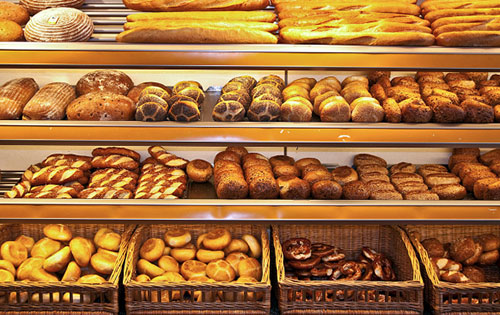
Industrial bread machines are versatile and can be used across various types of bakery production:
Bread production requires uniform dough development and proper gluten formation. Industrial bread machines ensure that every batch of dough has consistent elasticity, hydration, and texture. This uniformity supports predictable fermentation and loaf volume, which is critical in large-scale bakery operations.
High-quality pizza dough demands careful kneading to achieve elasticity and consistent fermentation. Industrial bread machines maintain optimal dough temperature and kneading pressure, producing dough that is ready for high-volume pizza production.
Some bakeries produce specialty bread, gluten-free products, or high-hydration doughs that require precise mixing. Industrial machines are designed to handle complex formulas without compromising dough quality, supporting innovation in bakery product lines.
Industrial bread machines can also be used for enriched doughs and pastry doughs that require delicate mixing. Automated mixing ensures even ingredient distribution and reduces manual labor for high-volume production.
Choosing the correct type of machine depends on production requirements, dough type, and automation level.
Spiral mixers are ideal for high-hydration bread and pizza dough. The bowl rotates while the spiral arm kneads the dough gently, minimizing friction and heat generation. This ensures consistent gluten development and maintains dough temperature for optimal fermentation.
Horizontal mixers are designed for large-batch, dense dough production. Their robust structure and strong kneading power make them suitable for industrial bread factories with high daily output requirements.
Continuous mixers are integrated into automated production lines and can handle uninterrupted dough production. They are ideal for factories producing thousands of loaves per day, ensuring uniform quality and reducing downtime.
Selecting the right industrial bread machine is crucial to ensure production efficiency and product quality. Key features include:
Understanding your bakery’s production volume is the first step. Machines must match the required batch sizes to avoid under- or overproduction. Industrial mixers can process from 50 kg up to 500 kg of dough per batch, depending on the model.
High-powered motors are essential for kneading dense dough continuously. Durable construction, reinforced frames, and high-quality gear systems ensure long-term reliability in demanding industrial environments.
Variable speed settings allow for precise kneading, ensuring proper dough consistency for different types of bread. Advanced models include programmable cycles for automatic adjustment of mixing time and speed.
Modern industrial bread machines can integrate with automated ingredient dosing, dough dividers, proofers, and ovens. This reduces labor dependency, improves workflow, and supports large-scale continuous production.
Food-grade stainless steel construction, easy-to-clean surfaces, and removable components ensure machines comply with international hygiene standards, crucial for industrial food production.
Industrial bread machines significantly enhance bakery productivity and operational efficiency.
By controlling kneading speed, temperature, and mixing duration, machines ensure uniform dough development. This reduces product variability and improves consistency across all batches.
Automated mixing reduces reliance on manual labor, allowing bakery staff to focus on other production tasks. This is especially beneficial for high-volume production lines.
Industrial bread machines support high-capacity production and integrate seamlessly with automated bakery lines, allowing bakeries to scale operations without compromising quality.
Modern machines are designed to minimize energy consumption while maximizing mixing efficiency. This reduces operational costs and improves ROI over the long term.
Small industrial bread machines with batch capacities of 50–100 kg are suitable for bakeries producing artisan bread or specialty products.
For bakeries with moderate production volume, mixers in the 100–250 kg range provide efficiency while maintaining flexibility for multiple product types.
High-capacity machines capable of processing 250–500 kg or more per batch, integrated with continuous production lines, are ideal for large-scale industrial operations producing thousands of loaves daily.
Automation has transformed industrial bread production:
Automation reduces errors, improves production predictability, and supports large-scale industrial bakery operations.
Industrial bread machines require routine care to ensure durability:
Choosing machines with easy-to-maintain designs reduces labor and downtime, ensuring smooth production.
A reputable manufacturer ensures that bakeries receive not only high-quality machines but also customized solutions and technical support. Key considerations:
Partnering with an experienced supplier ensures your bakery can scale operations efficiently while maintaining consistent product quality.
The industrial bakery sector continues to evolve with technology advancements:
These trends make industrial bread machines not only essential for production but also a key component for strategic operational efficiency in modern bakeries.
What is an industrial bread machine used for?
It is designed for large-scale dough mixing and kneading, ensuring consistent quality, high production output, and integration with automated bakery lines.
How do I choose the right bread machine?
Consider your production volume, dough types, automation requirements, and desired batch capacity to select a machine that meets operational needs.
Can an bread machine handle different types of dough?
Yes, modern bread machines are versatile and can mix bread, pizza, pastry, and high-hydration doughs efficiently.
What are the key features of a reliable bread machine?
High-capacity mixing, durable motor and frame, adjustable speed control, programmable cycles, and compliance with food safety standards.
How does an bread machine improve bakery efficiency?
It ensures consistent dough quality, reduces manual labor, increases batch output, and integrates with automated production lines for continuous operation.
Need Help Choosing the Right Industrial Bread Machine?
If you’re unsure which industrial bread machine best suits your bakery’s production line, our experts are here to help. Contact us today for a personalized consultation and ensure your bakery achieves maximum efficiency and consistent product quality. Don’t wait—upgrade your production capabilities now!