

Maintaining a flour kneading machine is essential for bakeries and food production facilities to ensure consistent dough quality, operational efficiency, and long-term durability. Whether you are running a small bakery or a large-scale production line, understanding the proper care, cleaning, and troubleshooting techniques can save you time, reduce costs, and prevent unexpected downtime.
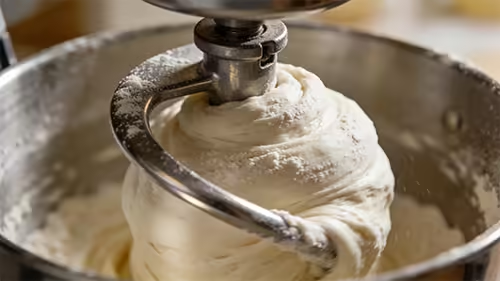
A flour kneading machine is specially designed to mix flour and other raw ingredients while kneading dough to achieve ideal uniformity and elasticity. The machine uses a strong stirring mechanism that ensures consistent dough texture, making it indispensable for producing bread, cakes, biscuits, and other baked goods.
The main components include:
The flour kneading machine mixes ingredients while the blades knead the dough, achieving optimal consistency and elasticity. This automated process reduces manual labor and ensures that every batch meets quality standards.
Properly cleaning the flour kneading machine is crucial to avoid residue build-up and maintain hygiene standards.
Lubrication ensures smooth operation and prolongs the lifespan of moving parts.
Use food-grade lubricants for bearings, gears, and other moving parts to prevent contamination.
Regular inspections prevent major breakdowns.
Ensure all wires are secure and free from dust or moisture to prevent short circuits or fire hazards.
Regularly test emergency stop buttons and other safety switches to maintain compliance and operational safety.
Causes:
Causes:
Causes:
Follow manufacturer guidelines to prevent overloading, which can shorten the machine’s lifespan.
Different dough types require different kneading speeds. For example, high-gluten dough may need slower, longer mixing, while softer doughs benefit from higher speed.
| Model | Capacity | Dimension | Voltage | Power | Speed (r/min) |
|---|---|---|---|---|---|
| LJ-25 | 25 kg/80 L | 960 × 650 × 1250 mm | 3-phase, 380V | 5 kW | 120/240 |
| LJ-50 | 50 kg/130 L | 1140 × 720 × 1460 mm | 3-phase, 380V | 7 kW | 120/240 |
| LJ-75 | 75 kg/200 L | 1400 × 750 × 1600 mm | 3-phase, 380V | 10 KW | 130/260 |
| LJ-100 | 100 kg/260 L | 1500 × 900 × 1620 mm | 3-phase, 380V | 11 kW | 130/260 |
| LJ-125 | 125 kg/320 L | 1520 × 940 × 1600 mm | 3-phase, 380V | 13.5 kW | 130/260 |
| LJ-150 | 150 kg/380 L | 1640 × 1080 × 1550 mm | 3-phase, 380V | 15.5 kW | 130/260 |
Even with regular maintenance, professional servicing ensures long-term efficiency.
Maintain the machine in a dry, moderate environment to prevent rust and component degradation.
Maintaining a flour kneading machine is crucial for efficiency, consistency, and safety in commercial baking operations. By following these detailed tips and scheduling professional maintenance, you can maximize your investment and produce high-quality dough batch after batch.
For expert advice and customized solutions, contact Chengwo Food Machinery today to explore the best flour kneading machine options for your bakery and ensure smooth, reliable operations. Don’t wait until downtime affects your production—get in touch now to optimize your baking process!
How often should I clean my flour kneading machine?
Daily cleaning is recommended, especially for components in direct contact with dough.
Can I use the same machine for different dough types?
Yes, but adjust speed and kneading time according to the dough characteristics.
How do I troubleshoot minor mechanical issues?
Check for loose parts, proper lubrication, and ensure blades are correctly aligned.
Are there tips for extending the machine’s lifespan?
Regular cleaning, proper lubrication, avoiding overloading, and scheduled professional maintenance are key strategies.

