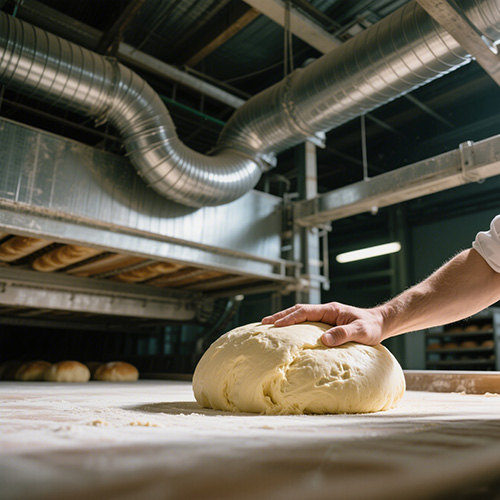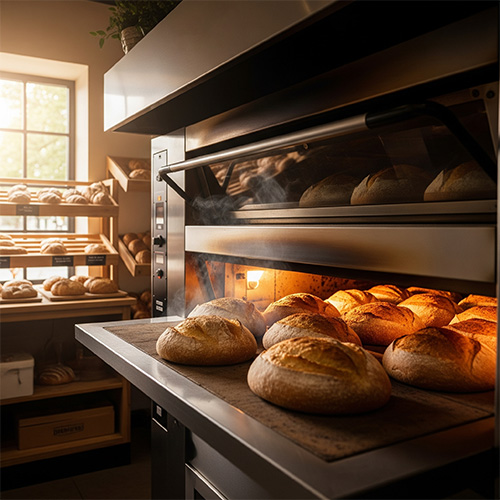

Running a successful bakery requires more than just passion for baking; it demands the right professional baking equipment to ensure efficiency, consistency, and high-quality results. From mixers and ovens to proofers and dough sheeters, each piece plays a critical role in maintaining product standards and meeting customer expectations. In this article, we’ll explore key equipment, best practices, and maintenance tips to optimize your bakery operations.
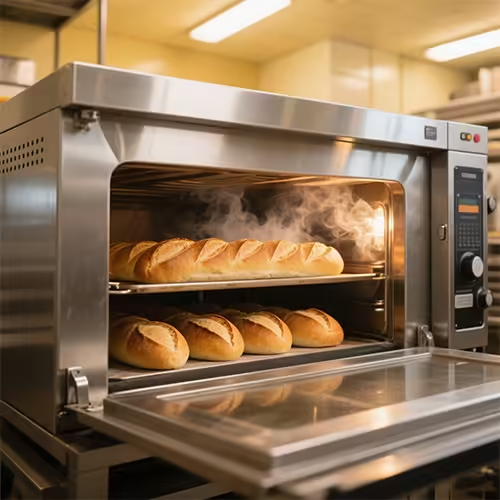
The choice of equipment depends on production volume, product variety, and workflow efficiency. Some of the essential machines include:
Selecting equipment should align with your bakery’s scale, menu, and budget:
Regular maintenance ensures reliability and consistent performance. Key practices include:
Efficiency is crucial for profitability:
| Equipment Type | Best For | Capacity | Speed Options | Notes |
|---|---|---|---|---|
| Planetary Mixer | Dough, batters, fillings | 5–20 liters | Multiple speeds | Versatile for various products |
| Spiral Mixer | Bread & pizza dough | 10–30 kg dough | 2–3 speeds | Ideal for high hydration doughs |
| Deck Oven | Bread, pastries | 2–6 trays | Adjustable temp | Even heat distribution |
| Dough Sheeter | Pastry & bread dough | 10–50 cm width | Variable thickness | Consistent dough thickness |
Ensure safe operation by following these tips:
Integrate your equipment with workflow planning:
Even the best machines require skilled operators:
Investing in high-quality professional baking equipment enhances productivity, consistency, and product quality in any bakery. Proper selection, routine maintenance, and trained operators ensure long-term success and customer satisfaction. Whether you’re running a boutique bakery or a large-scale production facility, equipping your kitchen with reliable machines is key to achieving professional results every time.
What is professional baking equipment used for?
Professional baking equipment automates mixing, kneading, proofing, and baking processes, helping bakeries produce consistent dough and baked goods efficiently, reduce manual labor, and maintain high-quality standards for all products.
Can professional baking equipment handle different types of dough?
Yes. Most machines can process white, whole wheat, sourdough, and gluten-free dough by adjusting speed, temperature, and time, ensuring consistent texture, elasticity, and optimal baking results for a variety of products.
How often should professional baking equipment be cleaned?
Daily cleaning of removable parts like bowls, trays, and belts is recommended. Deep cleaning and inspection of motors, belts, and bearings should be performed every 4–6 weeks to maintain hygiene and ensure long-term performance.
Is professional baking equipment suitable for beginners?
Absolutely. While proper training is essential, these machines simplify preparation, reduce manual labor, and allow beginners to achieve consistent results, making it easier to handle high-volume or complex baking tasks efficiently.
How do I maintain professional baking equipment for long-term use?
Regular inspection of motors, lubrication of moving parts, cleaning after each use, and professional servicing every 6–12 months will prolong machine lifespan, optimize performance, and prevent costly downtime in your bakery operations.
If you’re unsure which machine best suits your bakery’s needs, our experts are ready to help. Contact us today for a personalized consultation, and ensure your bakery operates efficiently and produces consistent, high-quality baked goods. Don’t wait—upgrade your bakery now!