
In modern kitchens and bakeries, efficiency and consistency are essential for producing high-quality baked goods. One tool that has become increasingly popular among both home bakers and professionals is the electric dough maker. This machine automates the mixing and kneading process, helping users achieve consistent dough texture while saving time and effort.
An electric dough maker is designed to combine ingredients and knead dough using a motor-driven mixing mechanism. Compared with manual kneading, the machine maintains stable speed and pressure during mixing, which allows the gluten structure to develop more evenly. According to research published by global food equipment industry reports, automated dough mixing can improve preparation efficiency by approximately 25–35 percent while maintaining uniform dough quality across batches.
For anyone who frequently prepares bread, pizza dough, or pastry dough, learning how to use an electric dough maker correctly can significantly improve baking results.
Before using the machine, it helps to understand its basic components and how they work together.
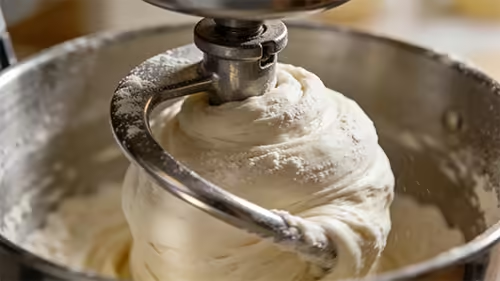
Most electric dough makers include a mixing bowl, kneading hook or paddle, motor system, and control panel. The mixing bowl holds the ingredients while the hook rotates to mix and knead the dough. The motor powers the kneading process, and speed controls allow you to adjust mixing intensity.
Many modern machines also include safety features such as protective covers, non-slip bases, and overload protection. These features help ensure safe operation while maintaining stable mixing performance.
Understanding these components allows you to operate the electric dough maker more confidently and troubleshoot potential issues if they arise.
When using a new electric dough maker for the first time, preparation is important. Begin by assembling the machine according to the manufacturer’s instructions. Ensure the bowl and kneading hook are securely attached and that the machine is placed on a stable, flat surface.
Before mixing actual dough, it is often helpful to run a short test cycle. This allows you to check that the machine operates smoothly and that all components are functioning properly. Cleaning the bowl and mixing attachments before first use also helps maintain food hygiene.
Taking a few minutes to prepare the machine ensures better performance and reduces the risk of operational issues.
Even the best electric dough maker cannot compensate for poor ingredient quality. Selecting the right ingredients is essential for achieving perfect dough.
Flour type plays a key role in dough structure. Bread flour typically contains higher protein levels, which supports strong gluten development. Water activates the flour and yeast, while salt strengthens the dough structure and enhances flavor.
Yeast is responsible for fermentation, producing gas that causes the dough to rise. The balance between flour, water, yeast, and salt determines dough elasticity and texture.
The following table shows a commonly used ingredient ratio for standard bread dough.
| Ingredient | Typical Ratio for 500g Flour | Function in Dough |
|---|---|---|
| Flour | 500 g | Provides structure and gluten |
| Water | 300 ml | Hydrates flour and activates gluten |
| Yeast | 7 g | Fermentation and dough rise |
| Salt | 10 g | Strengthens gluten and adds flavor |
| Oil or Butter | 10–20 g | Improves softness and texture |
These ratios may vary depending on the type of bread or dough you are preparing, but they provide a reliable starting point for beginners.
Using an electric dough maker is straightforward once you understand the process.
First, add liquid ingredients such as water or milk to the mixing bowl. Then add flour and other dry ingredients. Placing liquids first helps prevent dry flour from sticking to the bowl and improves mixing efficiency.
Next, select a low mixing speed to combine the ingredients. Once the mixture begins forming a dough, increase the speed slightly to begin the kneading process.
During kneading, monitor the dough texture. Properly kneaded dough should appear smooth, elastic, and slightly tacky but not sticky. If the dough appears too dry, add small amounts of water. If it becomes too sticky, add a small amount of flour.
Most doughs require 8 to 12 minutes of kneading, depending on hydration levels and flour type.
Although electric dough makers simplify the kneading process, beginners sometimes make common mistakes.
Overloading the bowl is one of the most frequent issues. Excess dough can strain the motor and prevent proper mixing. Always follow the recommended capacity guidelines for your machine.
Incorrect ingredient measurement can also affect dough quality. Baking is a precise process, and even small variations in flour or water can change the dough structure.
Another mistake is over-kneading. While the machine makes kneading easier, excessive mixing can break down gluten and produce dense bread.
Being aware of these mistakes helps ensure consistent baking results.
Regular cleaning and maintenance are essential for keeping your electric dough maker operating efficiently.
After each use, remove the bowl and kneading attachments and wash them with warm water and mild detergent. This prevents flour residue and dough buildup.
Periodic deep cleaning is also recommended. Inspect moving parts and ensure that no dough particles remain in mechanical areas. Performing routine maintenance every few weeks helps maintain reliable performance.
Proper care can significantly extend the lifespan of the machine and ensure safe food preparation.
Many bakers wonder whether an electric dough maker is better than other mixing methods.
Manual kneading provides direct control over dough texture, but it requires time and physical effort. Achieving consistent results can also be challenging, especially for beginners.
Stand mixers offer similar functionality, but not all models are optimized for heavy dough. Electric dough makers are specifically designed for kneading tasks, making them more efficient when handling dense bread dough.
Automated mixing also helps maintain consistent speed and pressure, which contributes to more uniform dough development.
Producing perfect dough consistently requires attention to several factors beyond simply mixing ingredients.
Temperature control is important. Dough mixed in extremely warm environments may ferment too quickly, while very cold conditions can slow yeast activity.
Mixing time should also be adjusted depending on the dough type. High-hydration dough may require longer kneading to fully develop gluten.
After kneading, allowing the dough to rest and ferment properly is essential. This stage allows yeast to produce gases that create the light structure characteristic of quality bread.
Keeping notes about ingredient ratios, mixing times, and environmental conditions can help refine your baking process over time.
If you are considering purchasing an electric dough maker, several factors should influence your decision.
Capacity is one of the most important considerations. Machines designed for small batches are ideal for home kitchens, while larger units are better suited for frequent baking or small-scale production.
Motor power determines how efficiently the machine can handle dense dough. Strong motors ensure stable kneading without overheating.
Build quality is another key factor. Durable materials and reliable mechanical components contribute to longer equipment life.
Evaluating these factors helps ensure that the electric dough maker you choose aligns with your baking goals.
Learning how to use an electric dough maker effectively can transform the way dough is prepared. By understanding the machine’s components, selecting proper ingredients, and following the correct kneading process, bakers can achieve reliable and consistent dough quality.
The electric dough maker combines efficiency with precision, making it a valuable tool for anyone serious about baking. With proper operation and maintenance, it can support years of successful bread and pastry production while saving both time and effort in the kitchen.
What is an electric dough maker used for?
An electric dough mixer is designed to automatically mix and knead dough for bread, pizza, and pastries. It helps create consistent dough texture while saving time and reducing the effort required for manual kneading.
Can an electric dough maker handle different types of dough?
Yes. Most electric dough makers are capable of preparing various dough types, including bread dough, pizza dough, and pastry dough, depending on the machine’s capacity, speed settings, and kneading attachments.
How long should dough be mixed in an electric dough maker?
In most cases, dough should be kneaded for about 8–12 minutes. The exact time depends on the recipe, flour type, and dough hydration level to ensure proper gluten development.
Is an electric dough maker suitable for beginners?
Yes. An electric dough maker simplifies the mixing and kneading process, making it easier for beginners to prepare dough while achieving consistent baking results without extensive experience.
How do you clean an electric dough maker?
After each use, remove the mixing bowl and kneading attachments and wash them with warm water and mild detergent. Regular cleaning prevents dough buildup and helps maintain the machine’s performance and hygiene.
If you’re unsure which electric dough mixer best fits your baking needs, our experts are here to help. Contact us today for a personalized consultation and discover the ideal solution for efficient dough mixing and consistent results. Don’t wait to improve your baking process—get in touch now to find the perfect electric dough maker for your kitchen or bakery!