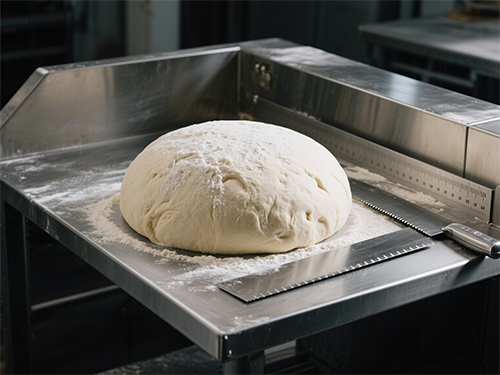

In modern bakeries, consistent dough quality is critical for achieving perfect baked goods every time. A dough proofing cabinet is a key piece of equipment that ensures uniform fermentation, temperature control, and moisture distribution, allowing bakers to produce high-quality bread and pastries efficiently. For commercial operations looking to optimize productivity, understanding how a proofing cabinet works and what features to consider is essential.
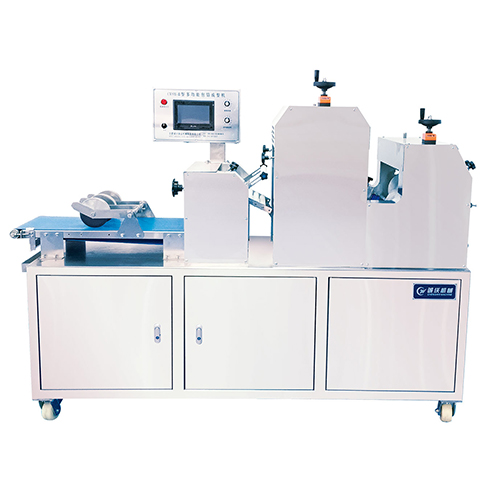
A high-efficiency dough proofing cabinet helps streamline production while maintaining consistent dough quality. Here are the main benefits:
According to industry research, bakeries that use controlled proofing systems reduce batch variability by up to 35%, leading to more predictable outcomes and less product waste.
When selecting a dough proofing cabinet, look for features that enhance both performance and reliability. Key elements include:
Precise control ensures the dough ferments at the ideal rate. Some advanced cabinets include digital displays for real-time adjustments.
Uniform heat ensures every tray of dough rises consistently, avoiding overproofed or underproofed batches.
Flexible rack systems allow customization based on batch size and bakery layout.
Modern proofing cabinets use insulated panels and efficient heating systems to reduce energy consumption without sacrificing performance.
Automation features like programmable cycles, humidity sensors, and remote monitoring can further optimize production.
| Feature | Description | Benefit |
|---|---|---|
| Temperature Control | Digital precision controls | Consistent dough fermentation |
| Humidity Control | Adjustable moisture levels | Prevents dry or sticky dough |
| Rack Flexibility | Multiple tray levels | Adapts to different batch sizes |
| Energy Efficiency | Insulated and low-power design | Reduces operating costs |
| Smart Controls | Programmable cycles & sensors | Minimizes manual oversight |
Choosing the right dough proofing cabinet depends on your bakery’s specific needs. Consider:
Avoid these pitfalls to maximize efficiency and dough quality:
A high-efficiency dough proofing cabinet is a vital investment for bakeries seeking consistent quality, faster production, and lower labor costs. By choosing the right cabinet and following best practices, you can optimize your bakery operations and ensure every batch meets professional standards.
While a dough proofing cabinet is essential for achieving consistent fermentation, Bread Host takes bakery automation to the next level. This advanced system doesn’t just handle dough proofing — it seamlessly integrates dough mixing, fermentation, molding, and baking into one intelligent production flow.
By combining these critical processes, Bread Host significantly enhances production efficiency and ensures uniform product quality. Its precise temperature and humidity control technology allows bakers to fine-tune every stage of production, achieving exceptional softness, texture, and flavor in every batch.
Designed for industrial bread production lines, chain bakeries, and large-scale food processing plants, Bread Host helps businesses optimize workflow, reduce labor costs, and strengthen market competitiveness.
If you’re ready to elevate your baking process with automation and consistency, contact Chengwo Food Machinery today. Our team of experts will help you design a complete solution tailored to your production needs — bringing your bakery one step closer to the future of intelligent baking.
How long should dough stay in a proofing cabinet?
Proofing time depends on dough type and temperature. Most yeast doughs require 45–90 minutes at 30–35°C.
Can a dough proofing cabinet improve bread consistency?
Yes, controlled humidity and temperature ensure uniform fermentation for each batch.
What’s the difference between a proofing cabinet and a simple proofer?
Proofing cabinets offer precise environmental controls, multiple trays, and often automation, while basic proofers are more limited.
How often should a dough proofing cabinet be cleaned?
Daily cleaning of trays and weekly deep cleaning of the cabinet interior is recommended.
Can I use the cabinet for different types of dough simultaneously?
Yes, but ensure temperature and humidity settings suit all dough types to avoid uneven proofing.