

If you run a bakery focused on cookies or other baked treats, selecting the right cookie bakery oven is a critical step toward consistent product quality, faster production, and higher profits. Modern cookie ovens are designed to handle high-capacity production while preserving the delicate texture, flavor, and appearance of your baked goods.
In this article, we will explore the types of cookie bakery ovens, workflow optimization, energy efficiency, real-world case studies, and tips to help you make an informed investment. By the end, you’ll understand how to maximize your bakery’s output without sacrificing quality.
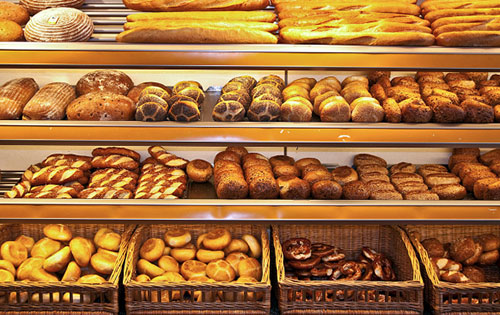
A cookie bakery oven is specialized equipment designed to bake cookies evenly and efficiently. Unlike multipurpose ovens, these machines provide:
Case Example: A mid-size bakery producing 2,000 cookies daily upgraded to a convection-based cookie bakery oven. Over two months, batch uniformity improved by 20%, and baking time per tray decreased by 15%, according to internal production reports.
Choosing the right oven depends on your production needs, cookie type, and available space.
| Oven Type | Description | Typical Capacity | Best For |
|---|---|---|---|
| Conveyor Oven | Continuous baking with moving belts | 500–5000 cookies/hour | Large-scale production, uniform cookies |
| Rack Oven | Trays stacked vertically, hot air circulation | 100–1000 cookies per batch | Medium bakeries, specialty cookies |
| Tunnel Oven | Long, continuous baking tunnel | 2,000–10,000 cookies/hour | Industrial-scale bakeries |
| Deck Oven | Stationary baking chamber with stone or metal decks | 50–500 cookies per batch | Artisan or specialty cookies |
Insight: Conveyor ovens are ideal for high-volume production, whereas deck ovens are preferred for premium artisanal cookies where texture and surface finish are critical.
Evaluate your bakery’s daily and weekly output. A high-volume bakery may need a tunnel or conveyor oven, while a boutique bakery can focus on deck or rack ovens for flexibility and quality.
Different cookies require different baking methods:
Advanced ovens come with programmable settings for temperature, conveyor speed, and baking duration. This ensures repeatable results and reduces human error.
Case Example: An industrial bakery producing oatmeal cookies installed a programmable conveyor oven with automated humidity control. After implementation, rejected batches due to uneven baking decreased by 25%.
Maximizing your oven’s efficiency requires careful workflow planning:
Pro Tip: Mapping your bakery floor plan can reveal bottlenecks and improve oven utilization.
Energy efficiency is vital, especially for large-scale cookie production:
| Bakery Type | Oven Type | Daily Output | Efficiency Gain |
|---|---|---|---|
| Artisan Cookie Bakery | Deck Oven | 500 cookies | 20% more consistent baking, premium texture |
| Mid-Scale Bakery | Rack Oven | 1500 cookies | Reduced batch errors by 18%, improved throughput |
| Large Industrial Bakery | Conveyor Oven | 5000 cookies | 25% higher output, 15% energy savings |
| Specialty Filled Cookies | Tunnel Oven | 2000 cookies | Improved filling consistency, reduced rework |
These examples show how choosing the right oven can enhance production efficiency and product quality.
Even the best ovens require attention to avoid production issues:
Regular maintenance prolongs your oven’s lifespan:
A well-maintained cookie bakery oven can last 10–15 years with consistent output.
Using the right cookie bakery oven not only increases production speed but also ensures consistent quality and reduces labor costs. By understanding your bakery’s needs, optimizing workflow, and maintaining equipment, you can scale your operations efficiently while delivering high-quality cookies to your customers.
How do I select the right cookie bakery oven for my bakery?
Consider daily output, cookie types, and automation needs. Larger bakeries benefit from conveyor or tunnel ovens, while smaller bakeries can focus on rack or deck ovens.
Can one oven handle multiple cookie varieties?
Yes, but each type may require different temperature and humidity settings. Programmable ovens help manage multiple recipes efficiently.
How often should I clean my cookie bakery oven?
Daily cleaning is recommended, with deep cleaning weekly or monthly depending on usage.
How can I reduce energy costs when operating multiple ovens?
Use energy-efficient heating elements, variable speed controls, and scheduled production to optimize load distribution.
What is the expected lifespan of a commercial cookie bakery oven?
With proper maintenance, most ovens last 10–15 years. Regular servicing is crucial to ensure consistent output.
