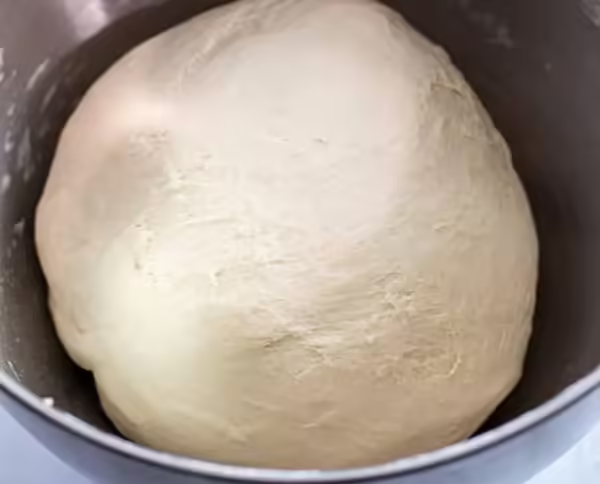

If you are running a bakery or managing a food production facility, investing in a commercial dough machine can dramatically transform your workflow. These machines are specifically designed to handle high-capacity dough mixing, ensuring uniform texture and consistent results for breads, pastries, and other baked goods. Understanding how to select, operate, and optimize these machines is key to improving efficiency, reducing labor, and maintaining product quality.
In this article, we will explore the advantages of commercial dough machines, compare various types, provide practical case studies, share workflow optimization strategies, and include actionable advice so that your bakery can scale sustainably.
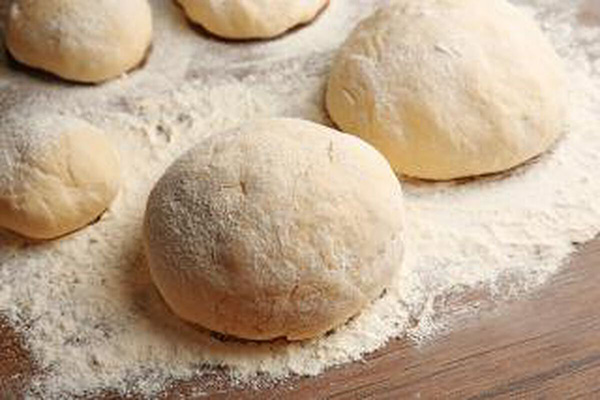
A commercial dough machine is a large-scale mixer used in bakeries and industrial food production. Unlike standard kitchen mixers, these machines are engineered for continuous, high-volume production.
Case Example: A mid-size bakery producing 3,500 loaves daily installed a 100 kg commercial spiral dough mixer. Within two months, batch consistency improved by 25%, and overall labor hours decreased by 15%, according to the bakery’s internal production reports.
Understanding the types of commercial dough machines available helps you select the right solution for your bakery needs.
| Type of Machine | Description | Typical Capacity | Best For |
|---|---|---|---|
| Spiral Mixer | Features a rotating bowl and spiral hook | 20–500 kg per batch | Bread, pizza dough |
| Planetary Mixer | Bowl stationary, arm rotates | 5–100 kg per batch | Cakes, muffins, cookie dough |
| Twin-Shaft Mixer | Two parallel shafts for heavy dough | 50–500 kg per batch | Dense breads, brioche, bagels |
| Continuous Mixer | Automates feeding and mixing in one flow | 100–1000 kg per hour | Large-scale industrial bakeries |
Insight: Spiral mixers are most commonly used for high-volume bread production due to their ability to develop gluten efficiently. Twin-shaft mixers excel with sticky or high-hydration doughs.
Choosing a commercial dough machine requires careful consideration of your production goals, product variety, and operational constraints.
Estimate daily and weekly dough requirements. A bakery producing 5,000 loaves per day will require a high-capacity spiral mixer, while a smaller artisan bakery may prioritize a planetary mixer for versatility.
Identify the types of dough your bakery produces. Sticky or enriched doughs (e.g., brioche) benefit from twin-shaft mixers, whereas standard wheat bread is well-suited for spiral mixers.
Consider machines with programmable controls for precise mixing times and speed adjustments. Simplified interfaces reduce operator errors and training time.
Case Example: A bakery producing croissants implemented a programmable commercial dough machine with automated speed adjustment. Over three months, production errors dropped by 18%, and dough consistency improved across all batches.
Efficient workflow planning maximizes the benefits of your machine investment. Consider the following layout and process strategies:
Pro Tip: Mapping the bakery floor plan helps visualize bottlenecks and optimize production flow.
Commercial dough machines consume significant energy, especially in large-scale operations. Energy-saving considerations include:
| Bakery Type | Machine Type | Daily Output | Efficiency Gain |
|---|---|---|---|
| Artisan Bread Bakery | Spiral Mixer 50kg | 800 loaves | 15% faster mixing, consistent dough |
| Mid-Scale Pizza Bakery | Twin-Shaft Mixer 100kg | 1,500 pizza dough balls | 25% reduced labor, 20% reduced errors |
| Large Industrial Bakery | Continuous Mixer 500 kg/hour | 10,000 loaves | 30% higher throughput, 10% energy saving |
| Pastry Production Line | Planetary Mixer 50kg | 1,200 kg dough | 18% time saving, improved batch uniformity |
These case studies demonstrate how selecting the right machine for your production type can drastically improve efficiency, reduce labor, and improve quality.
Even with advanced equipment, operational issues may arise:
Tip: Keep a detailed production log, including batch size, mixing time, and ingredients, to quickly diagnose recurring issues.
A critical factor in maximizing your investment is choosing a supplier who offers:
Reliable support ensures minimal downtime and helps your bakery scale efficiently.
Investing in a commercial dough machine transforms your bakery from manual, inconsistent production to streamlined, high-efficiency operations. By carefully selecting the right machine, optimizing workflow, and maintaining your equipment, you can achieve consistent quality, faster output, and reduced labor costs.
How do I know which commercial dough machine is right for my bakery?
Assess your daily production volume, dough types, and automation needs. Consulting with a professional food machine supplier can provide personalized recommendations.
Can one machine handle different types of dough?
Yes, versatile machines like spiral or planetary mixers can handle various dough formulations, but specialized doughs may require specific machine types.
How often should a commercial dough machine be serviced?
Daily cleaning and weekly inspection of mechanical components is recommended. More intensive maintenance may be scheduled quarterly depending on usage.
What is the typical lifespan of a commercial dough machine?
With proper maintenance, most commercial dough machines last 10–15 years. Frequent usage and poor upkeep may reduce lifespan.
How can I reduce energy consumption in dough production?
Choose machines with energy-efficient motors, utilize variable speed controls, and avoid running machines at full capacity unnecessarily.