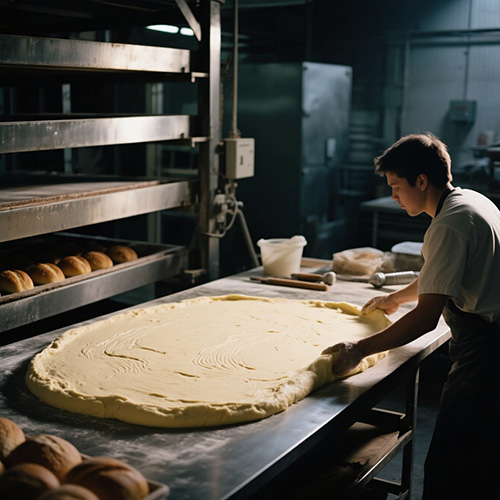

When it comes to running a bakery or large-scale food production facility, efficiency, consistency, and product quality are key. One of the most essential pieces of equipment in achieving these goals is a commercial dough kneading machine. These machines are designed to handle large volumes of dough, maintain uniform texture, and reduce manual labor, ultimately saving time and improving your bakery’s output. In this article, you will learn how to select, operate, and maintain a commercial dough kneading machine to maximize its performance and longevity.
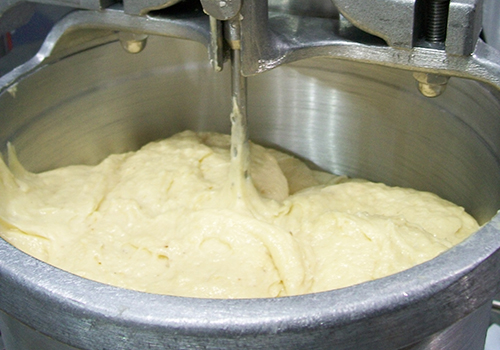
A commercial dough kneading machine is more than just a mixer. It is engineered to process dough for breads, pizzas, pastries, and other bakery products while ensuring uniform hydration and gluten development. The main components include a high-powered motor, a kneading bowl, specialized kneading arms, and a control interface. Machines vary in capacity, typically ranging from 5 kg to over 100 kg per batch, depending on the model. Using the right machine allows you to achieve consistent dough quality, essential for customer satisfaction and operational efficiency.
For instance, a mid-sized bakery that switched from manual kneading to a spiral kneading machine reported a 35% reduction in labor costs and a 20% increase in batch output within three months, according to internal production records.
Choosing the right type of kneading machine depends on your bakery’s production needs and the type of dough you handle. The most common types include spiral mixers, planetary mixers, and twin-arm mixers.
| Type | Capacity | Ideal Dough Type | Pros | Cons |
|---|---|---|---|---|
| Spiral Mixer | 5–50 kg | Bread, pizza | Fast, consistent kneading | Requires more floor space |
| Planetary Mixer | 2–20 kg | Cake, pastry | Versatile, easy to clean | Slower for heavy dough |
| Twin-arm Mixer | 20–100 kg | Heavy doughs | High output, uniform mixing | Higher initial investment |
Spiral mixers are excellent for high-gluten doughs like bread and pizza. Planetary mixers excel in versatility and are suitable for cake batters and pastry doughs. Twin-arm mixers are ideal for dense doughs such as bagels or specialty breads, offering both power and uniform mixing.
Selecting a machine is not just about capacity. You should consider production volume, dough type, available floor space, and budget. For example, if your bakery produces multiple dough types, a planetary mixer may offer the flexibility you need. On the other hand, a high-output bakery that focuses on bread production may benefit more from a spiral or twin-arm mixer. Calculating return on investment (ROI) is essential—factor in reduced labor costs, increased production speed, and improved product consistency.
To get the best performance from your commercial dough kneading machine, follow these tips:
A bakery case study revealed that adjusting the mixing time by just two minutes for high-hydration dough reduced batch rejection rates by 15%, improving both efficiency and product consistency.
Proper maintenance is crucial for machine longevity. Daily, weekly, and monthly checklists should include:
Regular cleaning prevents contamination, and proper lubrication ensures the motor and moving parts operate smoothly. A bakery reported zero unplanned downtime after implementing a structured maintenance schedule for all kneading machines.
Commercial dough kneading machines can consume significant energy. Choosing machines with efficient motors and variable speed drives reduces electricity consumption without sacrificing output. Comparing energy consumption among models helps determine operating costs. For instance, a 50 kg spiral mixer may consume 15 kWh per day, while a smaller 20 kg planetary mixer might use only 5 kWh, depending on usage.
Safety features such as emergency stop buttons, bowl interlocks, and protective covers are essential. Ensure staff are trained to operate the machine safely, handle heavy bowls, and avoid contact with moving parts. Complying with local safety and hygiene regulations not only protects your team but also reduces the risk of costly incidents.
Modern commercial dough kneading machines offer programmable controls, digital timers, and sensors to monitor dough quality. Some machines integrate seamlessly with other bakery equipment, enabling automated production lines that further enhance consistency and throughput. Investing in automation can reduce manual errors and free staff for higher-value tasks.
A commercial dough kneading machine is a cornerstone of modern bakery operations. By understanding the types, selecting the right model, optimizing performance, and adhering to proper maintenance and safety protocols, you can ensure consistent dough quality and maximize operational efficiency. Investing in advanced features and automation can further enhance productivity, reduce waste, and improve your bakery’s bottom line.
Need Help Choosing the Right Commercial Dough Kneading Machine? If you’re unsure which model is best for your bakery or production line, our experts are here to help. Contact us today for a personalized consultation, and ensure your dough production is consistent, efficient, and reliable. Don’t wait to optimize your bakery—get in touch now to elevate your production capabilities!
Can a commercial dough kneading machine handle gluten-free dough?
Yes, but you should select a model with variable speed control and proper mixing attachments to avoid overmixing the delicate dough.
How do I prevent dough from sticking to the bowl?
Use a light coating of flour or oil, and ensure proper hydration levels according to the recipe.
What is the expected lifespan of a commercial dough kneading machine?
With proper maintenance, most machines can last 10–15 years in a commercial bakery setting.
How often should I clean and lubricate the machine?
Clean after each batch and perform lubrication monthly, or as recommended by the manufacturer.
Can I upgrade my machine to add automation features?
Some models allow retrofitting with sensors and programmable controls, improving efficiency without purchasing a new machine