
As a bakery owner or professional baker, you understand that efficiency, quality, and consistency are critical to your business’s success. One of the most valuable investments you can make is purchasing a high-quality commercial mixer designed for bread dough. These mixers are built to streamline production and ensure the dough is mixed perfectly every time. Whether you’re running a small bakery or managing a high-volume bakery, choosing the right mixer can enhance your business’s efficiency and output.
In this guide, we’ll explore key factors you should consider when selecting a bread mixer, the different types available, their features, and how investing in professional-grade equipment can improve your bakery’s operations. We’ll also showcase the reasons why our bread mixers are an excellent choice for bakery owners.
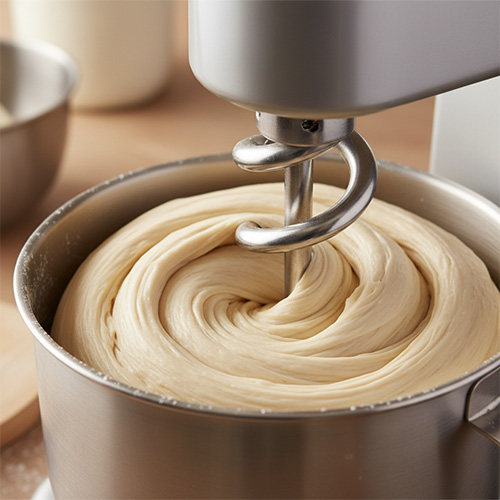
A commercial bread mixer is a necessary tool for bakeries, helping to improve both the quality and quantity of your baked goods. These machines are specifically designed to handle large batches of dough and perform under the demands of professional baking. Whether you’re mixing dough for bread, pizza, or pastries, these mixers ensure consistent results with minimal effort.
A bread mixer is a specialized machine used to mix dough in commercial bakeries. It is designed to withstand the rigorous demands of high-volume production, producing dough quickly and evenly. These mixers come in various sizes and designs to cater to different production needs, whether you’re mixing small batches or preparing large quantities of dough.
While home mixers may be suitable for occasional baking, they’re not built to handle the large quantities required by professional bakeries. Commercial mixers, on the other hand, offer stronger motors, larger capacities, and better durability, making them ideal for consistent, high-volume dough mixing.
When selecting a mixer for your bakery, it’s essential to prioritize the right features that will maximize your efficiency and ensure high-quality results. Here are the top features you should consider:
Commercial mixers need to endure constant use, so durability is crucial. Mixers made from stainless steel or other robust materials are preferred, as they offer long-lasting performance and are easier to clean and maintain.
The right size mixer depends on your bakery’s production needs. Smaller bakeries might benefit from a 20 qt mixer, while larger operations may require mixers with capacities of 60 qt or more. It’s important to select a mixer that aligns with your typical production volume.
Look for a mixer with adjustable speed settings to accommodate different types of dough. Some mixers offer multiple speeds, which are ideal for handling everything from light batters to dense bread dough.
Given that bakery environments can be busy and fast-paced, safety features are essential. Look for mixers with safety guards, emergency stop buttons, and non-slip bases to prevent accidents during use.
Investing in the right equipment can significantly boost the efficiency of your bakery. Here are a few ways a commercial mixer can improve your operations:
Manual dough mixing or using less efficient equipment can be time-consuming. A commercial mixer can handle large batches in a short amount of time, allowing your team to focus on other tasks and increasing overall productivity.
Consistency is key in baking. A commercial mixer ensures that each batch of dough is mixed evenly, which leads to consistent results in texture and taste. This consistency is crucial for products like bread, where the dough’s texture directly impacts the final product.
In a busy bakery, the ability to produce large quantities of dough quickly is essential. A commercial mixer helps bakeries meet the demands of high-volume orders without sacrificing quality, making it easier to keep up with customer needs.
When shopping for a commercial mixer, it’s important to consider the type that best fits your bakery’s needs. There are primarily two types: planetary mixers and spiral mixers.
| Mixer Type | Best For | Advantages | Disadvantages |
|---|---|---|---|
| Planetary Mixer | A wide variety of dough types | Versatile; can mix bread, cake, pizza dough, etc. | Less efficient for heavy bread dough |
| Spiral Mixer | High-volume bread production | Ideal for dense, heavy dough; best for large bakeries | Limited versatility compared to planetary mixers |
Planetary mixers are versatile machines that use a rotating bowl and attachment system to mix a variety of doughs and batters. In contrast, spiral mixers are specifically designed for dense doughs, making them more efficient for bread production in high-volume settings. Both mixers have their advantages depending on your bakery’s production style.
Stainless steel is the top choice for commercial mixers for several reasons:
Stainless steel is not only highly durable but also resistant to rust and corrosion. It’s easy to clean, which is crucial in a bakery where maintaining hygiene is essential.
While stainless steel mixers may come at a higher initial cost, they provide greater value in the long run due to their longevity and minimal maintenance needs. These mixers are built to handle the demanding conditions of a bakery, ensuring years of reliable service.
A stainless steel mixer is easy to maintain, requiring only regular cleaning and occasional checks. It’s also more resistant to stains and damage from dough residue, making it a practical choice for bakery environments.
Proper care and maintenance are essential to keeping your mixer in top working condition.
Clean the mixer after each use to prevent dough build-up. Wipe down the exterior and wash the mixing bowl and attachments regularly to maintain hygiene and avoid the accumulation of old dough.
To avoid downtime, inspect your mixer’s key components, such as belts and gears, for wear and tear. Ensure that all moving parts are properly lubricated to maintain smooth operation.
By following proper maintenance routines and addressing minor issues early, you can extend the lifespan of your mixer and continue to enjoy reliable performance.
When looking for a commercial mixer, it’s important to select one that suits both your budget and bakery’s needs. Here are some options to consider:
Affordable Models: For smaller bakeries or startups, affordable mixers provide reliable performance without a hefty price tag.
Heavy-Duty Models: For high-volume production, heavy-duty mixers offer the durability and power needed to handle large batches.
Special Offers and Discounts: Keep an eye out for promotions that allow you to purchase high-quality mixers at discounted rates.
A commercial mixer is an essential tool for any bakery aiming to improve productivity, consistency, and quality. Whether you’re operating a small bakery or a high-volume production facility, investing in the right mixer will help you save time, reduce labor costs, and create better products for your customers.
Our mixers are designed for both performance and durability, ensuring that your bakery runs smoothly day after day. If you’re ready to enhance your bakery’s efficiency, contact us today to find the perfect bread mixer for your needs.
A commercial bread mixer is a heavy-duty machine designed to mix large batches of dough for bakeries. It is built to handle the high demands of professional baking, ensuring consistency and efficiency in dough preparation.
By automating the dough mixing process, a commercial bread mixer reduces preparation time and ensures uniform dough texture, allowing bakeries to produce more products in less time while maintaining quality.
Commercial bread mixers are versatile and can handle various dough types, including bread, pizza, pastry, and cake dough. Some models are specifically designed for dense, heavy bread dough, while others work well with lighter batters.
Stainless steel mixers are durable, easy to clean, and resistant to rust and corrosion. They provide long-lasting performance, making them a smart investment for bakeries that require hygienic and reliable equipment.
The right size mixer depends on your bakery’s production volume. Smaller bakeries may need a 20 qt mixer, while larger operations may require models with 60 qt or more capacity. Consider the amount of dough you typically prepare daily to select the ideal size.
If you’re unsure about which commercial bread mixer is best for your bakery, our experts are here to help. Contact us today for a personalized consultation, and ensure your bakery runs efficiently with the perfect mixer. Don’t wait—get in touch now to enhance your productivity and elevate your baked goods!