
In modern baking environments, efficiency and consistency are essential. One of the most important pieces of equipment in any professional kitchen is the mixer for bakery operations. Whether producing bread, pastries, or pizza dough, a reliable mixer helps ensure uniform dough structure, stable fermentation, and efficient production.
A mixer for bakery is specifically designed to mix ingredients and knead dough at controlled speeds, allowing bakers to achieve consistent results without relying solely on manual labor. According to industry reports published by global food equipment research organizations, automated dough mixing can improve production efficiency by up to 30 percent while maintaining consistent dough quality across batches.
For both small bakeries and large production facilities, selecting the right mixer is a strategic investment. The correct equipment improves workflow, reduces labor intensity, and supports long-term operational stability.
Not all mixers are designed for the same purpose. Understanding the main types of mixer for bakery equipment helps you determine which model aligns with your production needs.
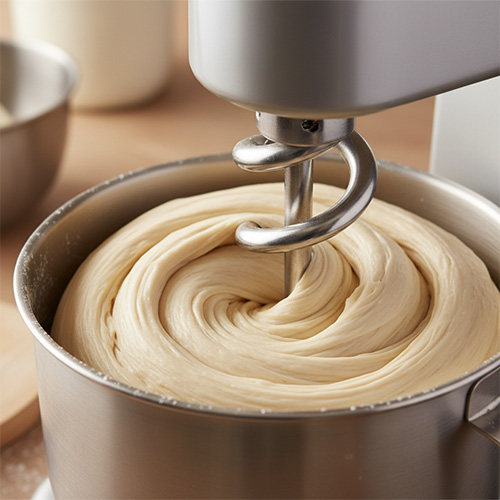
Spiral mixers are widely used for bread production. Their spiral hook rotates while the bowl turns slowly, allowing the dough to develop gluten effectively without overheating. This makes them ideal for bread dough and pizza dough.
Planetary mixers are versatile machines capable of handling multiple tasks such as mixing batter, whipping cream, and kneading lighter dough. Their mixing attachment rotates around the bowl, similar to planetary movement, which allows thorough ingredient blending.
Horizontal mixers are typically used in large-scale production environments. These machines can handle very large dough batches and are designed for industrial bakeries with high production demands.
Choosing the right mixer for bakery applications depends on what products you make most frequently and the volume of dough your operation produces daily.
When evaluating bakery mixers, several technical factors play a critical role in performance and reliability.
Motor power determines how efficiently the mixer can handle heavy dough. Bread dough, especially high-hydration varieties, requires strong motor performance to maintain consistent kneading.
Bowl capacity is another important factor. A mixer with insufficient capacity can slow down production and require multiple batches, while an oversized mixer may waste energy and workspace.
Speed control also affects mixing quality. Multiple speed settings allow bakers to mix ingredients gently at the beginning and knead dough at higher speeds later in the process.
Durability is essential for equipment that runs daily. Mixers built with reinforced steel structures and reliable gear systems typically last longer and require less maintenance.
Before investing in a mixer for bakery use, it is important to evaluate your production requirements.
A small bakery producing several batches of bread per day may only require a compact mixer with moderate capacity. On the other hand, bakeries with continuous production schedules need larger machines that can process multiple batches efficiently.
Estimating daily dough output helps determine the appropriate mixer size. For example, if a bakery produces several hundred loaves daily, a machine capable of handling larger dough volumes will significantly improve workflow efficiency.
Planning for future growth is also wise. Selecting equipment with slightly higher capacity than current needs can help avoid costly upgrades later.
Different types of dough place different demands on mixing equipment. Bread dough, for example, requires strong gluten development, which means the mixer must knead thoroughly without overheating the dough.
Pastry dough often requires gentler mixing to maintain texture and prevent overdevelopment of gluten. Cake batter and whipped mixtures also require different mixing motions.
The table below provides a general comparison of bakery mixer types and their typical applications.
| Mixer Type | Typical Capacity | Best Applications | Key Advantages |
|---|---|---|---|
| Spiral Mixer | Medium to large batches | Bread and pizza dough | Excellent gluten development |
| Planetary Mixer | Small to medium batches | Cakes, pastries, light dough | Versatile and multi-purpose |
| Horizontal Mixer | Large-scale batches | Industrial dough production | High efficiency for large volumes |
Understanding how each mixer performs with different dough types ensures that the equipment supports your bakery’s core products.
Energy consumption is often overlooked when selecting bakery equipment, but it plays a significant role in long-term operating costs.
High-efficiency motors and optimized mixing systems reduce electricity usage while maintaining strong performance. According to research published by global commercial kitchen equipment associations, energy-efficient bakery equipment can reduce operational costs by up to 15 percent over time.
A well-designed mixer for bakery production also reduces mixing time, which contributes to both energy savings and faster production cycles.
Over several years of daily use, these efficiency gains can represent substantial cost reductions.
Maintaining a hygienic production environment is essential in any bakery. Mixers that are easy to clean and maintain help ensure food safety and operational reliability.
Routine cleaning should occur after each use. Mixing bowls, hooks, and attachments should be washed with warm water and mild detergent to remove flour and dough residue.
Preventive maintenance is also important. Checking gears, lubricating moving components, and inspecting electrical systems every few weeks can prevent unexpected equipment failures.
Proper maintenance significantly extends the lifespan of a mixer for bakery operations, making it a more reliable long-term investment.
Safety is a critical consideration when working with commercial kitchen equipment.
Many modern bakery mixers include safety guards that prevent the machine from operating if the bowl or protective cover is not properly secured. Emergency stop buttons allow operators to immediately shut down the machine in case of unexpected issues.
Noise reduction and vibration control are also important features. Stable equipment improves working conditions and reduces fatigue for bakery staff.
User-friendly control panels with clear speed settings and timers help operators maintain consistent mixing processes across batches.
Although home mixers can handle occasional baking tasks, they are not designed for the continuous workload required in professional bakery environments.
Commercial mixers typically offer higher motor power, stronger construction, and larger bowl capacities. They are built to handle dense dough and extended operation without overheating.
Home mixers may work for very small production volumes, but bakeries aiming for consistent quality and efficiency usually benefit from investing in a professional mixer for bakery operations.
Choosing the right mixer involves evaluating both technical specifications and long-term reliability.
First, assess the type of baked goods your bakery produces most frequently. Bread-focused bakeries often benefit from spiral mixers, while pastry shops may prefer the flexibility of planetary mixers.
Second, examine build quality and component durability. High-quality gear systems and sturdy frames contribute to longer machine life.
Third, consider the availability of technical support and replacement parts. Reliable after-sales support helps maintain continuous operation.
Finally, whenever possible, test equipment before purchasing to evaluate performance under real mixing conditions.
One common mistake is choosing a mixer based solely on price. While budget considerations are important, lower-cost machines may lack durability or sufficient power.
Another frequent issue is selecting a mixer with inadequate capacity. Equipment that is too small can slow production and increase labor requirements.
Ignoring maintenance requirements is also problematic. Machines that are difficult to clean or service may create long-term operational challenges.
Carefully evaluating these factors helps ensure that the chosen mixer supports both current needs and future growth.
Choosing the right mixer for bakery operations is a decision that affects production efficiency, product quality, and long-term operational costs. By understanding mixer types, evaluating production needs, and focusing on durability and performance, bakery owners can select equipment that supports consistent baking results.
A well-chosen mixer not only improves dough quality but also streamlines daily workflow. With the right machine in place, bakeries can focus on creativity, product consistency, and sustainable growth.
What is a mixer for bakery?
A mixer for bakery is a specialized machine designed to mix and knead dough efficiently for bread, pastries, pizza, and other baked products. It helps ensure consistent dough texture, reduces manual labor, and improves overall production efficiency in bakery operations.
What types of mixer for bakery are commonly used?
The most common types include spiral mixers, planetary mixers, and horizontal mixers. Each mixer for bakery is designed for specific tasks such as bread dough mixing, cake batter preparation, or large-scale commercial baking production.
How do I choose the right mixer for bakery operations?
Choosing the right mixer for bakery depends on several factors, including dough type, production volume, bowl capacity, and motor power. Evaluating your bakery’s daily output helps determine the most suitable mixer size and performance level.
Can a mixer for bakery handle different dough types?
Yes, most mixer for bakery machines are designed to handle multiple dough types, including bread dough, pizza dough, pastry dough, and cake batter, depending on the mixer design and speed settings.
How often should a mixer for bakery be cleaned and maintained?
A mixer for bakery should be cleaned after every use to remove flour and dough residue. Regular maintenance, including checking moving parts and motor components, is recommended every 4–6 weeks to ensure reliable long-term performance.
If you’re unsure which mixer for bakery is best for your production needs, our experts are here to help. Contact us today for a personalized consultation, and ensure your bakery runs efficiently with the right mixing equipment. Don’t wait—get in touch now to improve your dough quality and streamline your baking process!