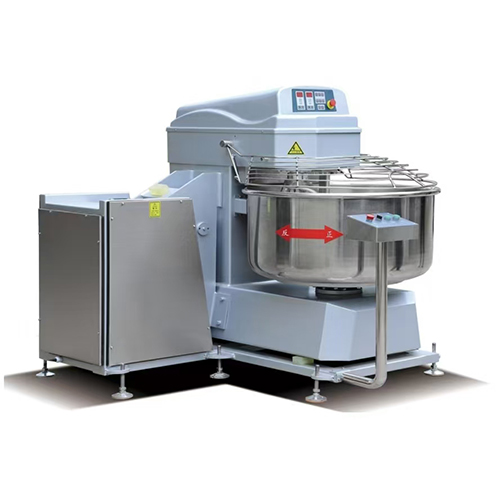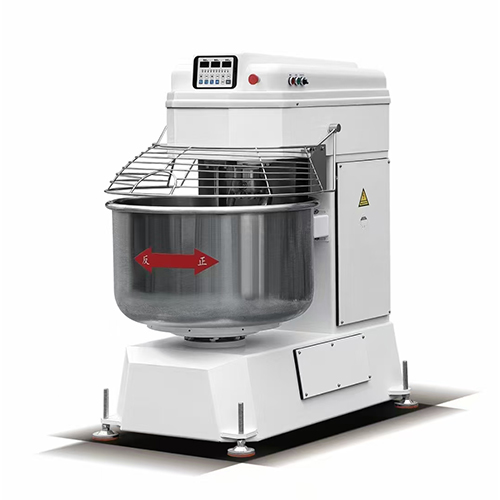

Bread making looks simple on the surface: flour, water, yeast, and time. Yet anyone who has baked regularly knows that the mixing stage determines much of the final bread quality. The way dough is mixed affects gluten development, dough temperature, fermentation behavior, and ultimately the structure and flavor of the bread.
This is where a bread dough mixer becomes essential. Whether you are a home baker producing a few loaves each week or a professional bakery mixing hundreds of kilograms of dough daily, the right mixer ensures consistency, efficiency, and quality.
In this guide, you will learn what a bread dough mixer is, how it works, how to choose the right one, and how to use it effectively. You will also find practical insights from baking science, real-world bakery practices, and troubleshooting techniques that help you get better results from your dough.
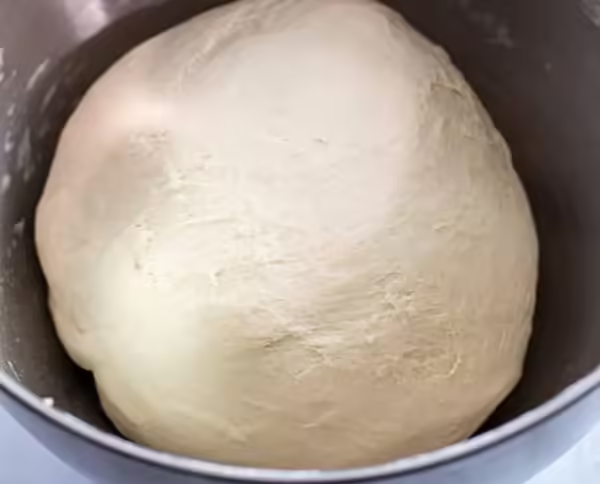
A bread dough mixer is a specialized machine designed to mix and knead dough efficiently. Its primary purpose is to combine ingredients while developing gluten structure in a controlled and consistent way.
Unlike general kitchen mixers, a bread dough mixer is engineered to handle dense doughs with high elasticity. Bread dough creates significant resistance during mixing, so the machine must provide strong torque and stable movement.
A bread dough mixer is a machine that combines flour, water, yeast, salt, and other ingredients while kneading the mixture to develop gluten structure. The mixing process transforms loose ingredients into a cohesive dough capable of trapping gas during fermentation.
Professional bakers often refer to this stage as gluten development. Gluten forms when proteins in flour interact with water and mechanical mixing. Proper mixing aligns these proteins into a network that gives bread its structure and chew.
A typical bread dough mixer consists of several key components:
The mixer rotates the dough while the hook stretches and folds it repeatedly. This mechanical action replaces manual kneading.
According to research published in the Journal of Food Engineering, mechanical mixing significantly accelerates gluten network formation compared to hand kneading, while maintaining more consistent dough hydration and temperature control.
Using a bread dough mixer offers several practical advantages.
Consistency
Every batch of dough receives the same mixing intensity and duration, leading to predictable results.
Efficiency
Mixing time can be reduced significantly compared to manual kneading.
Labor reduction
A mixer allows bakers to produce larger batches without physical strain.
Better gluten development
Professional mixers distribute mechanical energy more evenly throughout the dough.
For bakeries or frequent bakers, these benefits translate into higher productivity and better bread quality.
Not all dough mixers are built the same. Different designs serve different baking environments and production scales.
Understanding the main types of bread dough mixers will help you choose the best option for your needs.
Spiral mixers are specifically designed for bread dough.
The bowl rotates while a spiral-shaped hook kneads the dough. This gentle mixing motion develops gluten efficiently without overheating the dough.
Many professional bakeries prefer spiral mixers because they maintain lower dough temperatures and preserve dough structure.
Planetary mixers are versatile machines used for various baking tasks.
The mixing attachment rotates around the bowl while spinning on its own axis. This movement resembles the orbit of planets, which is why it is called planetary mixing.
While planetary mixers can handle bread dough, they are more commonly used for:
Horizontal mixers are designed for large-scale production. The mixing paddles rotate horizontally through the dough.
These machines are often used in industrial food production where extremely large batches are required.
Compact stand mixers are popular among home bakers. They provide enough power to mix smaller quantities of dough without requiring commercial equipment.
However, their capacity and motor strength are typically lower than dedicated bakery mixers.
Many people wonder whether a standard stand mixer is enough for bread making or whether a dedicated bread dough mixer is necessary.
The answer depends on how often you bake and how much dough you handle.
Stand mixers typically use planetary motion, while bread dough mixers often rely on spiral mixing.
Spiral mixing stretches and folds dough more efficiently, which can produce better gluten development with less friction.
Bread dough creates high resistance. Spiral mixers are designed specifically to handle this stress.
Stand mixers can mix bread dough, but prolonged heavy use may strain the motor.
For professional environments where dough is mixed daily, spiral mixers provide better durability and performance.
Home bakers who produce small batches occasionally may find a stand mixer sufficient. However, frequent bread baking benefits from a machine designed specifically for dough.
Using a bread dough mixer correctly can dramatically improve your bread results. Mixing too little or too much can affect dough structure.
Most dough mixing processes take between 6 and 12 minutes depending on the mixer type and dough hydration.
Bread dough is typically mixed at low to medium speed.
Higher speeds can generate excessive heat and damage gluten structure.
Mixing time depends on several factors:
Many professional bakers rely on visual and tactile indicators rather than strict timing.
Well-developed dough should:
These signs indicate sufficient gluten development.
When choosing a bread dough mixer, several key features determine how efficiently and reliably the machine performs. Bread dough is dense and requires strong mixing power, stable construction, and precise control. Factors such as motor strength, bowl capacity, material quality, speed settings, and safety design all influence mixing performance. Understanding these features helps ensure that your bread dough mixer can handle your production needs while maintaining consistent dough texture and quality.
Motor power is essential for a bread dough mixer because bread dough creates significant resistance during mixing. A strong motor provides the torque needed to knead dense dough smoothly without slowing down or overheating. Mixing capacity is equally important, as the machine must handle the desired batch size without strain. Choosing a mixer with the right balance of motor power and capacity ensures stable performance, efficient dough development, and reliable operation during continuous mixing.
The bowl size of a bread dough mixer determines how much dough can be mixed in a single batch. A properly sized bowl allows the dough to move freely during mixing, ensuring even ingredient distribution and consistent gluten development. If the bowl is too small, it may limit production and require multiple batches. If it is too large for the dough quantity, mixing efficiency may decrease. Selecting the right bowl size helps maintain smooth operation and consistent dough quality.
A bread dough mixer must be built with durable materials to withstand the mechanical stress created during dough mixing. High-quality mixers often feature stainless steel bowls and heavy-duty metal frames that provide strength and stability. Stainless steel components are also easier to clean and help maintain hygienic food preparation standards. Strong build quality reduces vibration, improves machine reliability, and ensures the mixer can perform consistently even under frequent use.
Different stages of dough mixing require different speeds, which makes adjustable speed settings an important feature in a bread dough mixer. Lower speeds are typically used to combine ingredients, while higher speeds help develop gluten structure during kneading. Having multiple speed options allows bakers to control the mixing process more precisely. Easy-to-use controls also improve efficiency and make the mixer suitable for both beginners and experienced bakers.
Safety features play an important role in the design of a bread dough mixer. Many modern mixers include protective bowl guards, automatic shut-off systems, and overload protection to prevent accidents and equipment damage. These features help ensure safe operation in busy baking environments. At the same time, durable construction allows the mixer to operate reliably for long periods, making it a dependable tool for consistent bread production.
The best mixer depends on how you plan to use it.
Different environments require different capacities and features.
Below is a simplified comparison of common mixer types.
| Mixer Type | Typical Capacity | Best For | Advantages |
|---|---|---|---|
| Spiral mixer | medium to large batches | professional bread baking | excellent gluten development |
| Planetary mixer | small to medium batches | multi-purpose baking | versatile use |
| Horizontal mixer | very large batches | industrial production | high output efficiency |
| Compact stand mixer | small batches | home baking | compact and convenient |
Industry equipment reports from bakery equipment associations show that spiral mixers dominate professional bread production because they maintain dough quality while handling large workloads.
Home bakers typically prioritize compact size, moderate power, and versatility.
Small bakeries benefit from mid-sized spiral mixers that balance capacity with efficiency.
Large operations require heavy-duty mixers capable of processing significant dough volumes continuously.
Even with the best equipment, dough problems can still occur. Understanding common issues helps you correct them quickly.
Sticky dough often results from high hydration or insufficient gluten development.
Allowing the dough to mix longer or adjusting flour ratios may solve the issue.
Improper ingredient ratios or under-mixing can prevent dough formation.
Ensuring correct hydration levels and mixing duration usually resolves the problem.
Yes. Excessive mixing can damage gluten structure and cause dough to become overly tight.
Dough climbing usually indicates low hydration or excessive mixing speed.
Reducing speed or adjusting hydration often helps.
Proper maintenance ensures reliable performance and extends equipment lifespan.
After each use:
Regular inspection of mechanical parts prevents long-term damage.
Check:
Avoid overloading the machine and follow recommended capacity guidelines.
Consistent maintenance can significantly extend operational life.
Professional baking environments rely heavily on reliable mixing equipment.
Spiral mixers produce consistent gluten development while keeping dough temperature stable.
According to baking technology research published in cereal science journals, controlled dough temperature during mixing plays a critical role in fermentation performance.
Commercial mixers often range from small bakery units to large industrial machines capable of mixing hundreds of kilograms of dough per batch.
Industrial mixers often include:
Selecting a reliable manufacturer involves evaluating equipment quality, engineering expertise, and long-term service support.
Reliable suppliers typically provide detailed technical documentation, performance specifications, and testing data.
Bread quality begins long before the dough enters the oven. The mixing stage determines gluten strength, dough structure, and fermentation performance.
A well-designed bread dough mixer helps achieve consistent dough development while reducing labor and improving efficiency. Whether you bake occasionally or manage large-scale production, choosing the right mixer and using it correctly can transform your baking results.
By understanding mixer types, mixing techniques, and maintenance practices, you can ensure that every batch of dough reaches its full potential. For anyone serious about bread making, investing time in selecting the right bread dough mixer is one of the most valuable decisions you can make.
What Is the Best Mixer for Bread Dough?
Spiral mixers are widely considered the best option for bread dough because they develop gluten efficiently while minimizing heat buildup.
Can You Knead Bread Dough in a Stand Mixer?
Yes, stand mixers can knead bread dough effectively for small batches.
What Speed Should You Mix Bread Dough?
Most dough mixing processes use low to medium speeds to avoid damaging gluten structure.
How Long Should You Knead Bread Dough in a Mixer?
Typical kneading times range from 6 to 12 minutes depending on dough hydration and mixer type.
Is a Bread Dough Mixer Worth It?
For frequent bakers or commercial operations, a bread dough mixer greatly improves efficiency and consistency.
If you’re unsure which bread dough mixer is the best fit for your baking needs or production scale, our experts are here to help. Whether you’re setting up a new bakery, upgrading your equipment, or looking for a reliable commercial dough mixer, we can guide you toward the right solution.
Contact us today for a personalized consultation and get professional recommendations based on your dough capacity, workflow, and production goals. With the right bread dough mixer, you can improve consistency, efficiency, and overall bread quality.
Don’t leave your dough mixing process to chance—get in touch now and take the next step toward better baking performance.