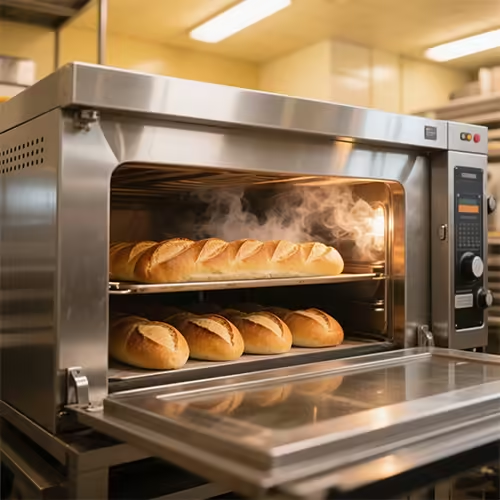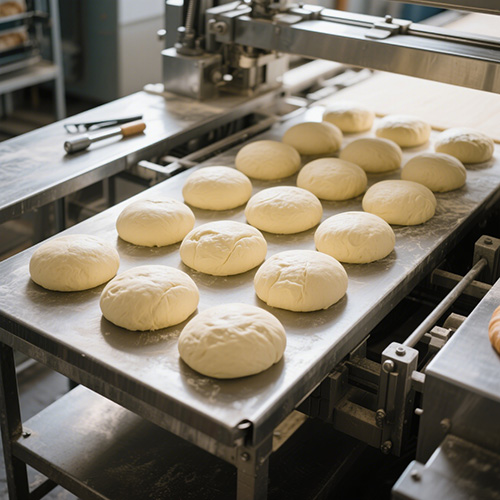

Baking fresh bread at home or in a commercial kitchen requires precision, consistency, and efficiency. One of the most essential tools to achieve these goals is a mixer for bread dough. This appliance automates the process of mixing and kneading, saving time while producing dough with uniform texture and proper gluten development. Whether you’re a beginner or a professional baker, understanding how to choose, use, and maintain your mixer can significantly improve your baking outcomes.
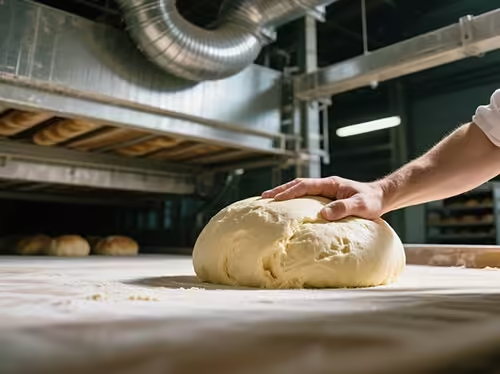
Using a mixer for bread dough provides several advantages over manual kneading. According to a study by the International Association of Baking Professionals, mechanized kneading ensures even hydration of flour, develops gluten more consistently, and reduces the risk of over- or under-kneading dough. A mixer allows you to achieve a professional-quality dough in a fraction of the time, giving you more consistency for bread, pizza, and pastry applications. Additionally, it reduces physical strain and makes baking more accessible for beginners.
Mixers vary in design and functionality, making it important to select one based on your baking needs. The main types include:
When selecting a mixer for bread dough, consider these features to ensure optimal performance:
Using your mixer correctly ensures consistent results:
Avoid overmixing, which can damage gluten structure and lead to dense bread. Beginners should start with small batches to gain confidence before attempting larger volumes.
A versatile mixer can handle various dough types, such as:
Adjusting speed and mixing time according to the dough type ensures proper gluten development, hydration, and texture.
Maintaining your mixer is essential for hygiene and longevity:
A well-maintained mixer not only lasts longer but also produces consistent dough quality for every batch.
To select the ideal mixer for bread dough, consider:
| Feature | Home Use | Commercial Use |
|---|---|---|
| Bowl Capacity | 2–5 liters | 10–20+ liters |
| Motor Power | 250–500 W | 750–1500 W |
| Speed Settings | 3–6 | 5–12 |
| Typical Batch | 1–3 loaves | 20–50+ loaves |
| Price Range | Affordable | Mid to High |
Consider batch volume, frequency of use, available space, and budget when making your choice. Investing in a high-quality mixer can save time, reduce effort, and improve dough consistency over the long term.
Using a mixer safely is critical. Always ensure attachments are properly locked before operation, avoid wearing loose clothing, and never leave the machine unattended while running. Use the recommended speed settings for different doughs and avoid overloading the bowl. Proper storage and handling will prevent damage and ensure reliable performance.
A mixer for bread dough is an invaluable tool for anyone looking to bake consistently high-quality bread and pastries. It streamlines the kneading process, allows for multiple dough types, and ensures professional results whether you are a home baker or run a commercial kitchen. Choosing the right mixer with the appropriate capacity, power, and features will enhance your baking efficiency, improve dough texture, and provide a reliable tool for years to come.
What is a mixer for bread dough used for?
A mixer for bread dough automates mixing and kneading, saving time while ensuring consistent texture and proper gluten development for bread, pizza, and pastries.
Can it handle different types of dough?
Yes. Most mixers can knead white, whole wheat, sourdough, and gluten-free dough by adjusting speed and kneading time, allowing bakers to create various recipes with consistent results.
How long should dough be mixed?
Typically 8–12 minutes depending on flour type and hydration. Proper kneading ensures dough elasticity and smoothness, which is essential for producing high-quality bread and pastry products.
Is a mixer for bread dough suitable for beginners?
Absolutely. It simplifies the kneading process, guarantees consistent dough, and allows beginners to experiment with multiple recipes without needing advanced baking skills or techniques.
How should I maintain my mixer for bread dough?
Clean the bowl, attachments, and mechanical parts after each use. Perform a deep clean every 4–6 weeks to maintain hygiene, prevent wear, and ensure long-term performance of your mixer.
If you’re unsure which mixer for bread dough is best for your kitchen or bakery, our experts are here to help. Contact us today for a personalized consultation, and ensure your dough is perfectly mixed every time. Don’t wait—get in touch now to elevate your baking!