
Welcome to My Blog!
Before we dive into the content, if you’re interested in our products or have any questions, please feel free to visit our Contact Us page on the website. Our team is ready to assist you with inquiries, orders, or any support you may need.
Now, let’s get started on our journey together. I hope you find the content here insightful, engaging, and valuable.
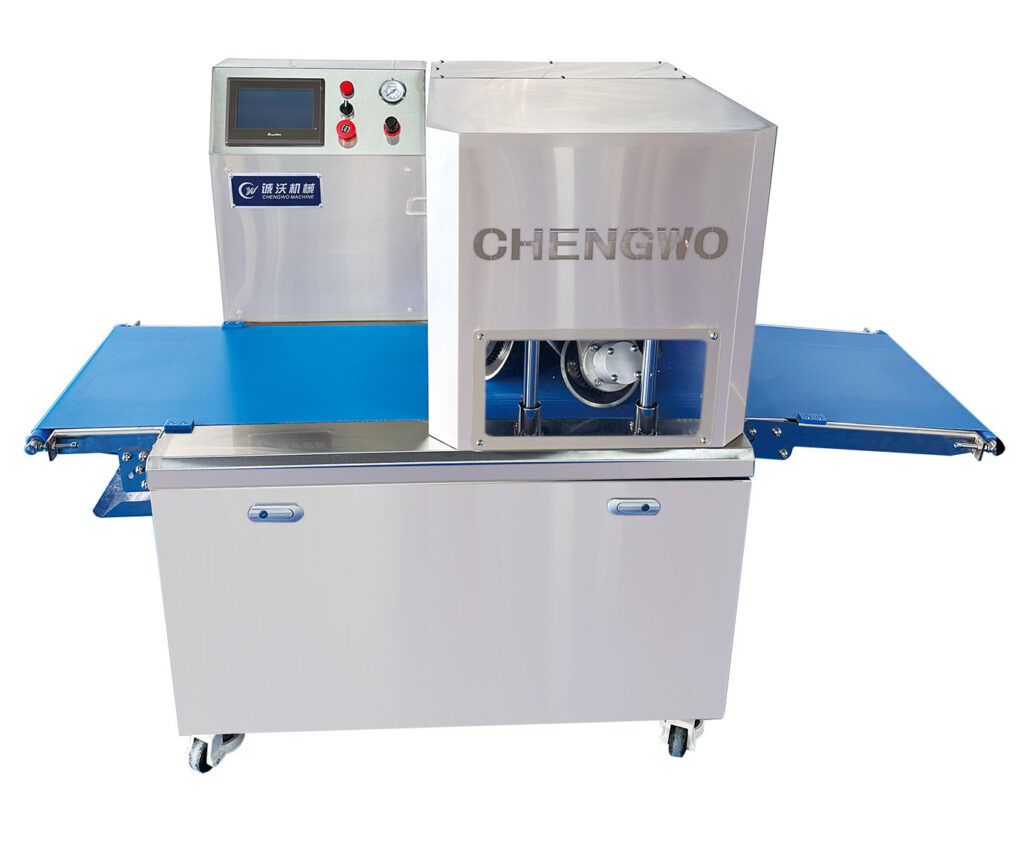
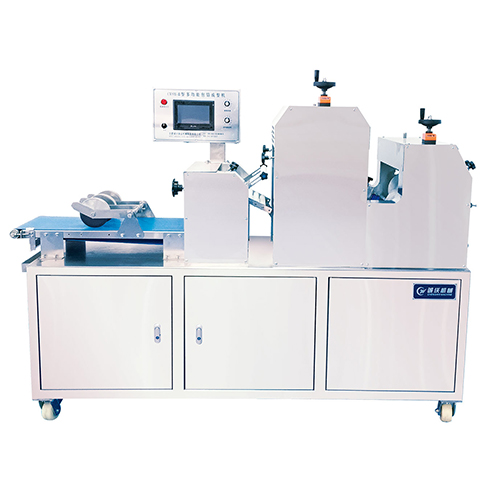
In today’s competitive baking industry, efficiency, consistency, and scalability define success. Bakery production lines are no longer optional—they are the backbone of modern bakeries. From artisan breads to mooncakes and pizzas, a well-designed production line ensures every loaf, pastry, and pizza base meets quality expectations while maximizing profit. In this article, we explore the essential elements of bakery production lines, their core components, real-world applications, and how bakeries can achieve long-term efficiency and ROI.
Bakeries worldwide are moving toward automation. Increased demand for consistent quality, labor shortages, and energy cost concerns have accelerated the adoption of intelligent bakery production lines.
Manual production often leads to:
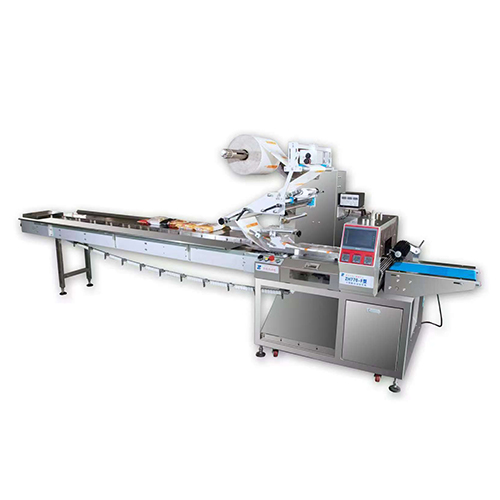
Automated bakery production lines integrate multiple elements—dough mixers, ovens, conveyors, and packaging machines—into a seamless workflow. This ensures consistent results, reduces manual labor, and supports high-volume operations.
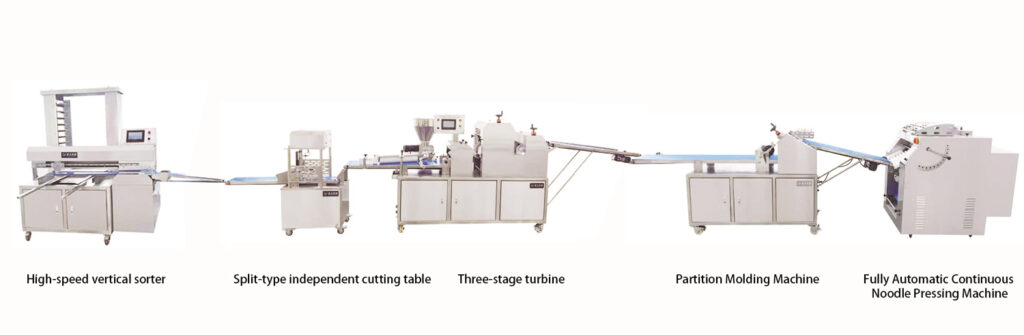
These are the foundation of the bakery production line. Key elements include:
Variable speed mixing ensures that the dough develops the perfect gluten network for consistent texture and elasticity. By adjusting the speed during different stages of mixing, bakeries can achieve ideal dough consistency for a wide range of products—from soft sandwich breads to artisan loaves. This flexibility also reduces overmixing or undermixing, which can negatively affect product quality.
Maintaining precise temperature during dough mixing is critical for yeast activity and fermentation consistency. Modern dough makers feature integrated temperature control systems that automatically adjust water or dough temperature, ensuring reliable results every batch. This reduces the risk of dough that is too sticky, too dry, or inconsistent in rise.
Dough makers come in a variety of sizes, suitable for small artisan batches or large-scale industrial production. Selecting the right capacity ensures efficiency, prevents overloading, and maintains product quality. Flexible capacity options also allow bakeries to scale production according to demand without compromising consistency.
These machines enhance speed and uniformity for pizza bases. Elements to consider:
Efficient baking is crucial. Elements include:
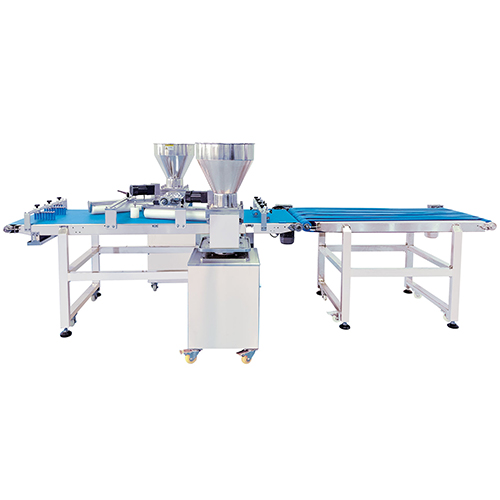
Used for mooncakes, pastries, or specialty breads:
These elements streamline workflow:
Investing in a bakery production line involves initial CAPEX and ongoing OPEX. Key elements impacting ROI:
Automation reduces energy waste through smart ovens and optimized baking schedules. Labor reduction is achieved through integrated dough makers and automated packaging systems.
A consistent product ensures brand loyalty and fewer rejections. Elements such as precise dosing, uniform shaping, and controlled baking environments contribute directly to quality metrics.
| Bakery Type | Line Output (Loaves/Hour) | CAPEX (USD) | Payback Period | Key Efficiency Element |
|---|---|---|---|---|
| Bread Production | 500–2000 | 150,000–250,000 | 6–12 months | Automated mixing & proofing |
| Mooncake Production | 1000–5000 | 200,000–300,000 | 5–8 months | Filling & stamping automation |
| Pizza Production | 1000–3000 | 180,000–280,000 | 6–10 months | Dough pressing & pro bake oven |
| Feature | Manual Production | Automated Bakery Line |
|---|---|---|
| Output Consistency | Medium | High |
| Labor Requirement | High | Low |
| Energy Efficiency | Low | High |
| Maintenance Complexity | Moderate | Moderate–High (proactive) |
Investing in a smart bakery production line empowers bakeries to achieve consistency, reduce costs, and scale production efficiently. With modular designs, predictive maintenance, and automation, bakeries can future-proof their operations while maintaining product quality.
Contact us today to schedule a free production line audit and explore how Chengwo’s smart bakery solutions can transform your bakery.
What is the ROI of a Smart Bakery Production Line?
Most bakery production lines pay back within 6–12 months depending on capacity, automation level, and labor savings.
How Long Does Setup & Training Take?
Installation usually takes 2–4 weeks, with operator training spanning 1–2 weeks.
Can Small Bakeries Benefit From Automation?
Yes, modular lines allow small bakeries to scale gradually while maintaining quality.
What Maintenance is Required for Long-Term Reliability?
Daily cleaning, weekly calibration, and predictive maintenance reduce downtime and extend machine life.
How Do I Choose Between Different Line Configurations?
Evaluate production volume, product type, space, and flexibility needs. Compare manual vs automated workflows to select the optimal setup.
Need Help Choosing the Right Bakery Production Line?
If you’re unsure which bakery production line best suits your products, capacity, or space, our experts are here to guide you. Contact us today for a personalized consultation, and ensure your bakery operates efficiently, safely, and profitably. Don’t wait—get in touch now to optimize your production and elevate your bakery business!