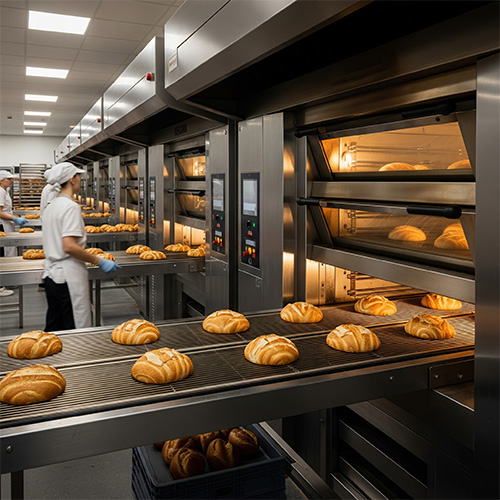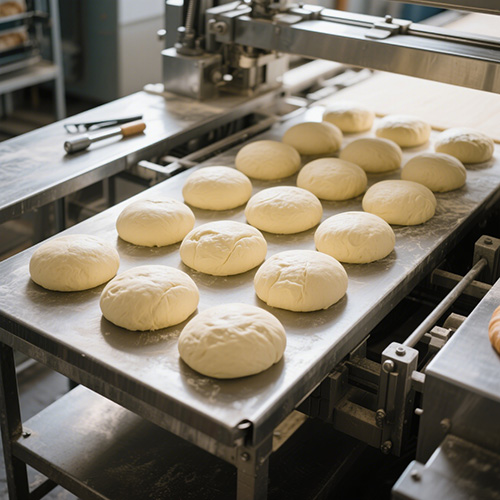

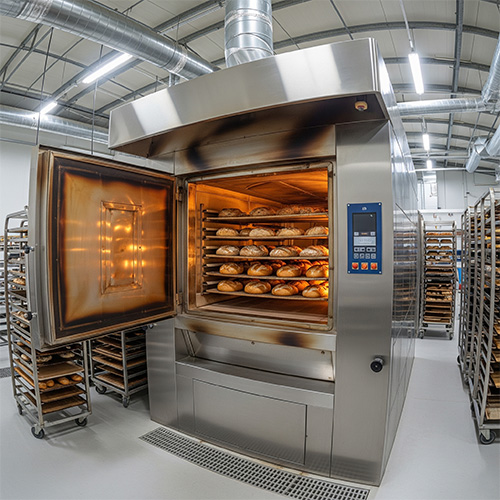
Baking has evolved far beyond the home kitchen, and modern bake processors play a crucial role in efficiency, consistency, and creativity. From commercial bakeries to artisanal shops, these machines help streamline production while maintaining product quality. In this article, we explore the types, features, and best practices for using bake processors effectively.
Bake processors come in various forms depending on the application:
Using a bake processor improves:
| Machine Type | Best For | Capacity | Speed Options |
|---|---|---|---|
| Planetary Mixer | Dough, batter, cream | 5–25 liters | 5–10 speeds |
| Spiral Mixer | Bread & pizza dough | 10–30 kg | 2–3 speeds |
| Convection Oven | Cakes, cookies, pastries | 20–60 trays | Temperature adjustable |
| Dough Sheeter | Pizza bases, pastries | 2–10 kg per sheet | Variable thickness |
Bake processors are indispensable tools for anyone serious about producing high-quality baked goods efficiently. By understanding the types, features, and proper usage, you can enhance productivity while maintaining consistency and safety. Regular maintenance ensures that your machines last longer and deliver excellent results for every batch.
What is a baking machine used for?
A bake processor is designed to automate multiple baking processes, including mixing, kneading, and sometimes baking itself. It ensures dough and other baked products maintain a consistent texture and quality, reduces manual labor, and saves significant time, making it ideal for both home bakers and commercial kitchens seeking efficiency and uniform results.
Can a bake processor handle different types of dough?
Yes. Most modern bake processors are versatile and can handle a variety of dough types, such as white, whole wheat, sourdough, and gluten-free. By adjusting the mixing speed, kneading duration, and using appropriate attachments, these machines ensure proper gluten development and dough elasticity for each type, allowing bakers to experiment with different recipes efficiently.
How often should a bake processor be cleaned?
To maintain hygiene and optimal performance, all removable parts like bowls, hooks, and attachments should be cleaned thoroughly after each use. In addition, a deeper cleaning and inspection every 4–6 weeks is recommended, including wiping down non-removable components and checking for wear or residue that could affect dough consistency or the longevity of the machine.
Is a bake processor suitable for beginners?
Absolutely. Bake processors simplify the entire preparation process, significantly reducing manual effort. Beginners can rely on preset programs or simple speed and time adjustments to achieve consistent dough quality and baking results without advanced baking skills. It provides a reliable way to practice and perfect recipes while avoiding common mistakes.
How do I maintain my baking machine for long-term use?
Long-term maintenance involves regular inspection of motors, gears, and attachments to ensure everything functions smoothly. Lubricating moving parts when necessary, cleaning thoroughly after each use, and occasionally scheduling professional servicing helps maintain efficiency, prevents breakdowns, and prolongs the life of your baking machine, ensuring consistent performance over time.
If you’re unsure which baking machine is best for your bakery or home kitchen, our experts are here to help. Contact us today for a personalized consultation, and ensure your baking equipment is efficient, reliable, and perfect for your needs. Don’t wait—get in touch now to elevate your baking game!