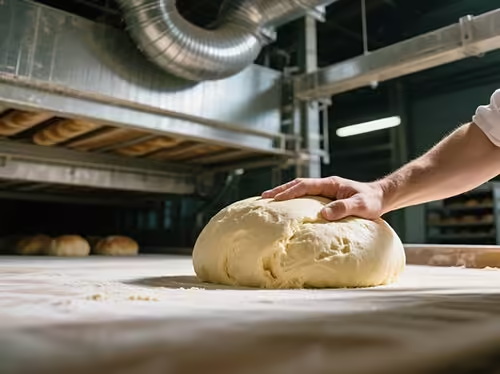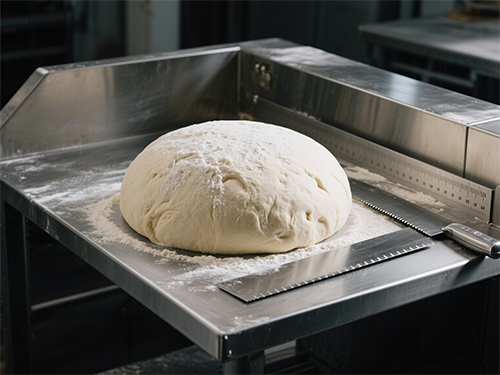

A machine for mixing dough has become an essential tool for both home bakers and professional kitchens. It simplifies one of the most critical stages of baking—mixing and kneading—while delivering consistent results that are difficult to achieve manually. However, many users fail to get the best performance from their equipment due to avoidable mistakes. Understanding these common issues and how to fix them can significantly improve your baking quality and efficiency.
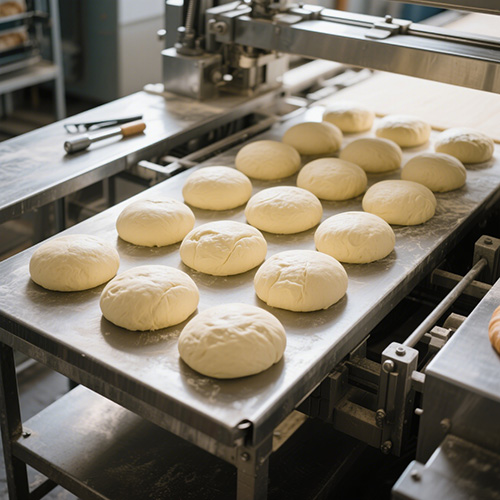
A machine for mixing dough combines ingredients and develops gluten through controlled mechanical movement. The motor drives attachments such as dough hooks or paddles, ensuring even hydration and proper structure formation. According to baking science research published in cereal processing studies, proper mechanical mixing improves gluten network formation, directly influencing dough elasticity and final product texture.
Consistency is the biggest advantage. Manual kneading often varies in pressure and duration, while a machine maintains stable speed and force. This leads to uniform dough every time. In addition, it saves time and reduces physical effort, allowing you to focus on fermentation, shaping, and baking. For frequent bakers, this consistency translates into better product quality and less waste.
Overmixing is one of the most frequent issues. When dough is mixed for too long, the gluten structure becomes overly tight and begins to break down. This results in dense, tough bread with poor volume. You can identify overmixed dough when it becomes sticky, overly warm, and loses elasticity. To avoid this, always monitor mixing time and stop once the dough reaches a smooth, elastic consistency.
Undermixing leads to incomplete gluten development. The dough may appear rough, tear easily, and fail to rise properly during proofing. This often happens when users stop the machine too early or use insufficient speed. A properly mixed dough should pass the “windowpane test,” where it stretches thin without tearing.
Speed control plays a crucial role in dough development. Low speeds are ideal for combining ingredients, while medium speeds help develop gluten. High speeds can damage dough structure, especially for delicate recipes. Many beginners make the mistake of mixing too fast too early, which leads to uneven hydration and inconsistent results.
Every machine for mixing dough has a capacity limit. Exceeding this limit puts strain on the motor and reduces mixing efficiency. Overloading often leads to uneven mixing, overheating, and long-term damage to internal components. Always follow the recommended batch size and consider dividing large quantities into smaller portions.
The quality of mixing starts before the machine is even turned on. Incorrect ratios of flour and water, improper yeast handling, or inconsistent ingredient temperatures can all affect dough performance. Research in food engineering shows that water temperature significantly impacts yeast activity and gluten formation. Preparing ingredients accurately ensures the machine can perform at its best.
Neglecting maintenance can lead to hygiene issues and mechanical failure. Residual dough can harden and affect movement, while lack of lubrication increases wear. Regular cleaning and inspection not only extend the lifespan of your machine but also ensure consistent performance over time.
Not all machines are designed for the same purpose. A small home unit may struggle with dense dough, while a larger machine may be unnecessary for occasional baking. Choosing the right model based on capacity, motor power, and usage frequency is essential for achieving optimal results.
To get the most out of your machine for mixing dough, pay close attention to dough behavior during mixing. Adjust hydration levels if the dough appears too dry or too sticky. Allow rest periods between mixing stages to improve gluten development. Small adjustments can lead to significant improvements in texture and consistency.
| Common Mistake | Cause | Solution |
|---|---|---|
| Overmixing | Excessive mixing time | Stop when dough becomes elastic |
| Undermixing | Insufficient kneading | Extend mixing time gradually |
| Wrong speed | Improper settings | Use low to medium speeds appropriately |
| Overloading | Exceeding capacity | Reduce batch size |
| Poor preparation | Incorrect ratios or temperature | Measure and prepare ingredients carefully |
| Lack of maintenance | Infrequent cleaning | Clean and inspect regularly |
If you encounter issues, start with simple checks. Sticky dough may require more flour or better surface preparation. Uneven mixing can often be corrected by adjusting speed or repositioning ingredients. Unusual noise may indicate the need for lubrication or inspection. Addressing problems early prevents long-term damage and ensures smooth operation.
A machine for mixing dough is a powerful tool, but like any equipment, it requires proper use and care. By avoiding common mistakes such as overmixing, incorrect speed settings, and poor maintenance, you can significantly improve your baking results. Paying attention to detail and understanding how your machine works will allow you to produce consistent, high-quality dough every time. Over time, these small improvements can make a noticeable difference in both efficiency and product quality.
What is a machine for mixing dough used for?
A machine for mixing dough is used to combine ingredients and knead dough automatically, ensuring consistent texture and proper gluten development for bread, pizza, and pastries while saving time and reducing manual effort.
Can a machine for mixing dough handle different dough types?
Yes. Most machines can process white, whole wheat, sourdough, and gluten-free dough. By adjusting speed and mixing time, they adapt to different recipes and hydration levels for consistent results.
How long should dough be mixed in a machine for mixing dough?
Dough is typically mixed for 8–12 minutes depending on flour type and hydration. Proper mixing ensures gluten develops correctly, producing smooth, elastic dough ready for proofing and baking.
Is a machine for mixing dough suitable for beginners?
Absolutely. It simplifies the kneading process, delivers consistent results, and helps beginners bake with confidence without needing advanced skills or manual kneading experience.
How should I maintain a machine for mixing dough?
Clean the bowl and attachments after each use, and perform deep cleaning every 4–6 weeks. Regular maintenance ensures hygiene, extends machine lifespan, and maintains consistent mixing performance.
If you’re unsure which machine for mixing dough is best for your bakery or home kitchen, our experts are here to help. Contact us today for a personalized consultation, and ensure your dough preparation is efficient, consistent, and hassle-free. Don’t wait—get in touch now to elevate your baking!