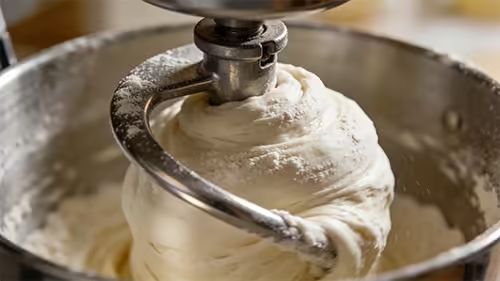

An automatic bread mixer solution is essential for modern baking, whether at home or in a small bakery. It automates mixing and kneading, improves efficiency, and ensures consistent dough texture. With the right electric mixer, you can achieve smooth, elastic dough that leads to high-quality bread every time.

An electric mixer for bread typically includes a mixing bowl, dough hook, motor, and adjustable speed settings. These components work together to mix ingredients evenly and knead dough effectively. Compared to manual methods, automatic bread mixer systems reduce effort and deliver more consistent results.
When choosing an automatic bread mixer machine, consider:
Accurate measurement of flour, water, yeast, and salt is essential. Proper ingredient ratios and temperature control help achieve consistent dough texture and optimal gluten development.
Clean the mixing bowl and attachments after each use. Wipe the exterior and keep the motor area dry. Perform deep cleaning and inspect internal components every 4–6 weeks.
| Component | Cleaning Frequency | Tips |
|---|---|---|
| Mixing bowl | After each use | Use mild detergent |
| Dough hook | After each use | Check for wear |
| Mixer body | After each use | Wipe with damp cloth |
| Motor & gears | Every 4–6 weeks | Inspect and maintain |
Automatic bread mixer systems improve efficiency, reduce manual labor, and ensure consistent dough quality. They are suitable for beginners and professionals, making baking easier and more reliable.
Using an electric mixer bread solution enhances your baking process by delivering consistent results, saving time, and improving dough quality. With proper use and maintenance, you can achieve professional-level bread with ease and confidence.
What is electric mixer bread used for?
An electric mixer bread is used to mix and knead dough efficiently, producing consistent texture and proper gluten development. It saves time compared to manual kneading and is ideal for bread, pizza, and other baked goods.
Can it handle different types of dough?
Yes. Electric mixer bread machines can handle white, whole wheat, sourdough, and gluten-free dough. By adjusting speed and kneading duration, they adapt to different recipes, ensuring even mixing and reliable dough consistency for various baked goods.
How long should dough be mixed?
Dough is typically mixed in an electric mixer bread for 8–12 minutes. The exact time depends on flour type, hydration, and recipe. Proper mixing ensures optimal gluten development, producing smooth, elastic dough that is ready for proofing and baking.
Is it suitable for beginners?
Absolutely. Electric mixer bread simplifies kneading, reduces manual effort, and helps beginners achieve consistent dough every time. It allows experimentation with recipes without advanced skills, making it ideal for home bakers.
How should I maintain the mixer?
After each use, clean the bowl and attachments thoroughly. Perform deep cleaning and inspect motor components every 4–6 weeks. Regular maintenance ensures hygiene, extends machine life, and keeps your electric mixer bread performing reliably.
If you’re unsure which electric mixer bread machine is best for your needs, our experts are here to help. Contact us today for a personalized consultation and ensure your baking process is efficient, consistent, and high-quality. Don’t wait—get in touch now to upgrade your baking experience!