
A mixer flour system plays a crucial role in modern baking by ensuring consistent mixing and efficient dough preparation. Whether you are working in a home kitchen or a commercial bakery, using the right mixer flour setup helps improve productivity and dough quality.
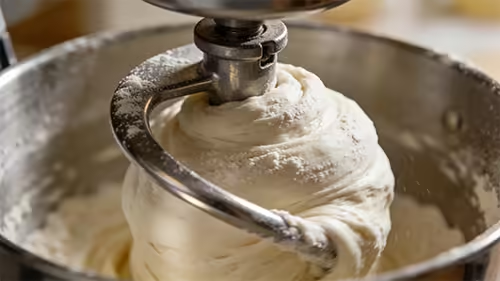
A flour mixing machine process involves combining flour with other ingredients using a mechanical mixer to achieve uniform hydration and gluten development. According to industry reports on bakery automation, optimized mixing systems can improve dough consistency by over 30 percent while reducing labor time. This makes mixer flour techniques essential for achieving reliable baking results.
To fully benefit from a flour mixing machine setup, it is important to understand its key components:
These components work together to ensure that flour is evenly hydrated and properly mixed, which is critical for gluten development.
Before starting any mixing process, proper preparation is essential:
A well-prepared mixer flour system minimizes errors and ensures efficient workflow.
Flour selection directly impacts the performance of any flour mixing machine process. Different types of flour produce different textures and structures:
| Flour Type | Protein Content | Best Use |
|---|---|---|
| Bread Flour | High | Strong, elastic dough |
| All-Purpose Flour | Medium | Versatile baking |
| Whole Wheat Flour | Medium-High | Dense, nutritious bread |
| Pastry Flour | Low | Soft and delicate dough |
Higher protein content supports better gluten formation, making it ideal for bread and pizza dough.
Follow these steps for optimal results:
A proper flour mixing machine technique ensures that the dough is neither too dry nor too sticky.
Avoiding common mistakes can significantly improve results:
Being mindful of these issues helps maintain consistent dough quality.
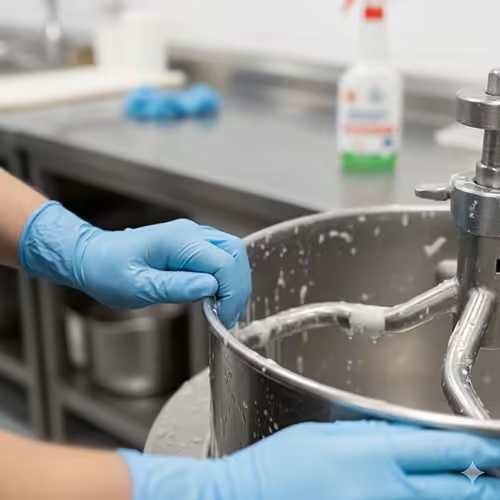
Maintenance is essential for long-term performance:
A well-maintained flour mixing machine system ensures hygiene and reliability.
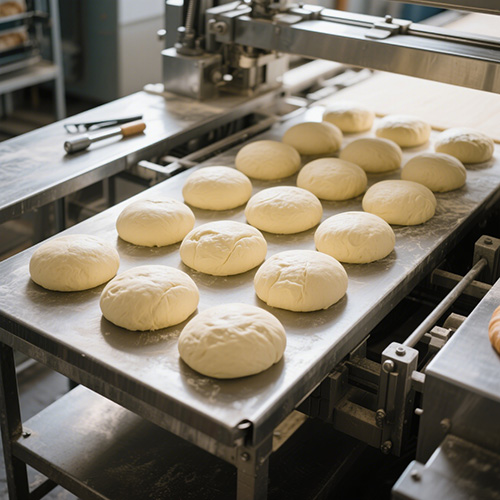
Flour mixing machine systems offer several advantages over manual methods:
Manual mixing may provide control, but it lacks the efficiency and consistency of mechanical systems.
To get the best results:
These practices enhance dough quality and overall baking performance.
Selecting the right equipment is key:
A well-chosen flour mixing machine machine improves efficiency and consistency.
A well-optimized flour mixing machine process is essential for achieving consistent, high-quality dough. By understanding the equipment, selecting the right flour, and following proper mixing techniques, you can significantly improve baking efficiency and results. Whether for home baking or commercial use, investing in the right flour mixing machine system provides long-term value and reliability.
What is a mixer flour system used for?
A flour mixing machine system is used to combine flour with water, yeast, and other ingredients in a controlled and efficient way. It ensures even distribution and proper hydration, which are essential for gluten development. Using a mixer flour process helps improve dough consistency, reduce manual labor, and achieve stable, repeatable results in both home and commercial baking.
Can mixer flour techniques be used for different recipes?
Yes. Mixer flour techniques are highly adaptable and can be used for bread, pizza, pastries, and more. By adjusting mixing speed, time, and ingredient ratios, you can tailor the process to suit different dough types. This flexibility allows bakers to produce a wide variety of products while maintaining consistent texture and quality across batches.
How long should flour be mixed?
Flour in a flour mixing machine process is typically mixed for 8–12 minutes, depending on the recipe and dough hydration. This duration allows proper gluten development, giving the dough strength and elasticity. Monitoring the dough is important, as over-mixing can weaken structure, while under-mixing may result in uneven texture and poor baking performance.
Is flour mixing machine suitable for beginners?
Yes. A flour mixing machine system is ideal for beginners because it simplifies the mixing and kneading process. It reduces the need for manual effort and helps users achieve consistent dough results with minimal experience. This allows beginners to focus on learning recipes and improving baking skills while still producing high-quality baked goods.
How do you maintain flour mixing machine equipment?
Maintaining flour mixing machine equipment involves regular cleaning after each use to remove flour residue and prevent buildup. Deep cleaning and inspection of moving parts should be done every 4–6 weeks. Proper maintenance ensures efficient operation, extends the machine’s lifespan, and guarantees hygienic conditions for safe and consistent dough preparation.
If you’re unsure which flour mixing machine solution best fits your baking needs, our experts are here to help. Contact us today for a personalized consultation, and ensure your mixing process is efficient, consistent, and reliable. Don’t wait to upgrade your baking performance—get in touch now to find the perfect mixer flour system for your needs!