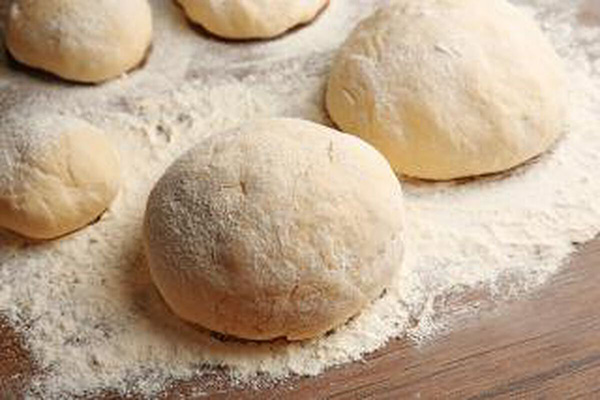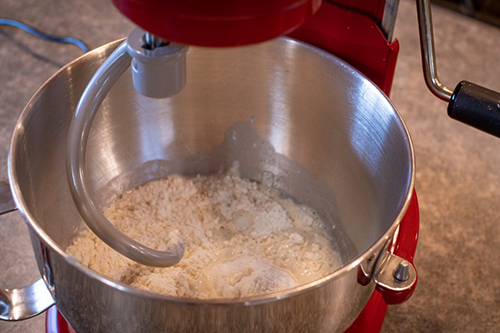

Dough kneeding machines have revolutionized home and commercial baking, making it easier for bakers of all levels to produce consistent, high-quality dough. Whether you are a beginner or an experienced baker, these machines save time, reduce manual effort, and ensure uniform texture in every batch. In this article, we’ll guide you through the operation, maintenance, and best practices for using a dough kneeding machine, while sharing insights to help you make the most of this essential kitchen appliance.
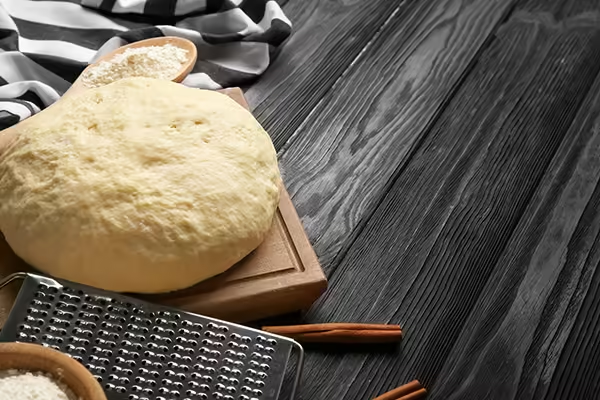
A dough kneeding machine is a specialized appliance designed to mix and knead dough automatically. Unlike manual kneading, it ensures consistent results, preventing uneven textures or overworked dough. These machines range from small, home-friendly models to large commercial units capable of handling dozens of kilograms of dough per batch. The benefits are clear: consistent dough, reduced labor, and the freedom to experiment with multiple recipes efficiently.
To operate a dough kneeding machine effectively, it’s important to understand its key components. The mixing bowl and dough hook are essential for kneading, while motor power and speed settings control the consistency of the dough. Modern machines often include timers, programmable settings, and safety features that prevent operation when the lid is open. Beginners should familiarize themselves with these components to avoid misuse and ensure safe operation.
Before your first use, unpack your machine carefully and assemble all parts according to the manufacturer’s instructions. Inspect the mixing bowl, hooks, and other attachments for damage. It’s recommended to run the machine empty for a minute to check motor function and balance. This simple step ensures the machine is ready for actual dough preparation and prevents any issues during your first batch.
The quality of your dough starts with ingredients. Beginners should begin with standard flours such as all-purpose or bread flour, as they provide predictable results. Yeast, water, and salt ratios should be measured precisely; small deviations can affect dough elasticity and rise. For specialty doughs like whole wheat or gluten-free, adjustments to hydration levels and kneading time are crucial to achieve optimal results.
Operating a dough kneeding machine is straightforward once you understand the process:
| Dough Type | Kneading Time | Speed Setting | Notes |
|---|---|---|---|
| White bread | 8–10 minutes | Medium | Smooth texture, moderate hydration |
| Whole wheat | 10–12 minutes | Medium-Low | Slightly firmer dough, higher hydration |
| Sourdough | 12–15 minutes | Medium | Watch elasticity, may need extra rest |
| Gluten-free | 6–8 minutes | Low-Medium | Sticky dough, careful handling needed |
This table provides a guideline for beginners, but always adjust based on specific recipe requirements and dough consistency.
Even with a dough kneeding machine, beginners can make errors that affect the final dough:
Awareness of these common mistakes helps beginners achieve better results and extend the machine’s lifespan.
Proper maintenance is essential for durability and hygiene. Routine cleaning after each use prevents residue build-up. Deep cleaning, including inspection of hooks and motor parts every 4–6 weeks, is recommended. Lubricate moving parts if specified by the manufacturer. Regular maintenance ensures the machine operates efficiently and prevents unwanted odors or contamination.
Beginners may encounter issues such as dough sticking, unusual noises, or operational interruptions. These can usually be resolved by adjusting ingredient ratios, ensuring proper assembly of parts, or checking electrical connections. Most issues are minor and easily corrected once you understand the machine’s functions.
Choosing the right dough kneeding machine depends on your baking volume:
Price and features vary widely, but investing in a quality machine ensures consistent results and long-term reliability.
For optimal results with your dough kneeding machine:
Following these tips allows beginners to gain confidence and consistently produce high-quality dough.
Dough kneeding machines are designed to simplify baking, making high-quality dough accessible to beginners and professionals alike. With proper setup, ingredient selection, and maintenance, anyone can achieve consistent results and enjoy the creative process of baking. By following this guide, you can confidently operate your dough kneeding machine and elevate your baking skills.
What is a dough kneeding machine?
A dough kneeding machine is a kitchen appliance designed to automatically mix and knead dough, producing consistent texture and elasticity. It saves time compared to manual kneading and ensures uniform results for bread, pizza, and other baked goods.
Can a dough kneeding machine handle different types of dough?
Yes, most dough kneeding machines can handle various doughs, including white, whole wheat, sourdough, and gluten-free. Adjusting speed, kneading time, and settings ensures the dough reaches optimal consistency for each type.
How often should I clean my dough kneeding machine?
Routine cleaning should be done after each use. A deep clean, including inspection of the mixing hooks, bowl, and motor parts, is recommended every 4–6 weeks to maintain hygiene and ensure efficient performance.
Is a dough kneeding machine suitable for beginners?
Absolutely. Dough kneeding machines simplify the kneading process, producing consistent dough without manual effort. Beginners can easily operate the machine and achieve professional-quality results at home or in small bakeries.
What size dough mixer machine should I choose?
Choose a size based on your typical dough batch. Home models are ideal for small quantities, while commercial dough kneeding machines can handle larger volumes for bakeries or restaurants efficiently.
If you’re unsure which dough mixer machine is best for your home or bakery, our experts are here to guide you. Contact us today for a personalized consultation, and ensure your baking setup delivers consistent, high-quality dough every time. Don’t wait to elevate your baking—get in touch now and start creating perfect dough effortlessly!