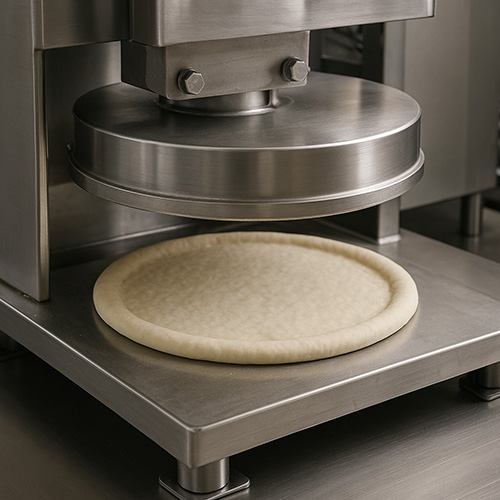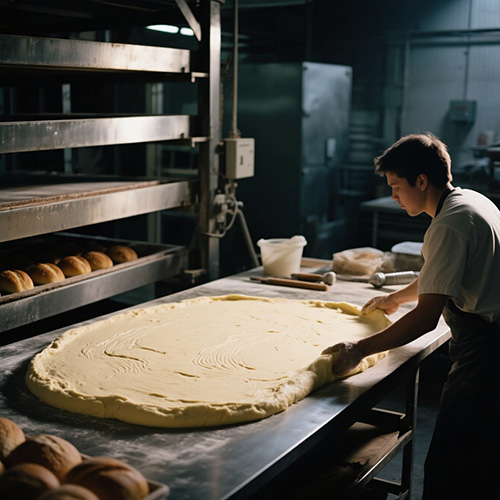


Pizza mixers are indispensable tools for bakers, whether at home or in commercial kitchens. These machines automate the mixing and kneading process, saving time and ensuring consistent dough texture. According to research on commercial food equipment, using a dough mixer can reduce preparation time by up to 40% while maintaining uniform quality across batches. Beyond speed, pizza mixers help achieve dough elasticity and air incorporation that hand kneading can sometimes miss.
Modern pizza mixers come with multiple speed settings, timers, and safety features, making them suitable for various dough types, from classic wheat to gluten-free or whole grain dough. Understanding your mixer’s capabilities and features is key to using it effectively for the first time.
Before using a pizza mixer, carefully unpack and assemble all parts. Identify removable components such as the mixing bowl and dough hooks. Ensure the mixer is placed on a stable surface and check for any loose screws or manufacturing residues. Safety is critical—never plug in the machine before assembling it completely. Familiarize yourself with the control panel, speed settings, and emergency stop function to prevent accidents during operation.
The quality of your pizza dough starts with the ingredients. Use high-protein flour for elasticity and structure, and measure yeast, salt, and water accurately. For gluten-free dough, specialized flour blends may be necessary. Adjust water content slightly depending on flour type and humidity levels. According to bakery production standards, precise ingredient ratios are crucial for achieving consistent results, especially for first-time users of pizza mixers.
Routine cleaning after every use is essential. Remove the mixing bowl and dough hooks, wash them with warm water and mild detergent, and wipe the exterior. Perform deep cleaning every 4–6 weeks, including inspection of blades and motor components. Lubricate moving parts if recommended by the manufacturer to maintain smooth operation.
| Issue | Possible Cause | Recommended Solution |
|---|---|---|
| Dough sticking to hooks | Overhydrated dough or insufficient flour | Adjust ingredient ratios or dust hooks lightly with flour |
| Uneven kneading | Overloaded bowl or improper speed | Reduce batch size, select proper speed |
| Machine making unusual noise | Misaligned hooks or debris | Turn off mixer, inspect and adjust hooks, remove debris |
| Mixer not starting | Power or assembly issue | Ensure plugged in, check safety lock and assembly |
This table provides practical solutions to common first-time issues, helping you avoid frustration and maintain optimal performance.
Home mixers usually have smaller capacities and lighter motors, making them suitable for occasional baking. Commercial pizza mixers offer higher capacity and stronger motors, ideal for restaurants or bakeries. When choosing a mixer, consider dough batch size, motor power, build quality, and features such as timers or programmable settings. Using the right machine ensures consistent dough quality and reduces fatigue during repeated use.
Using a pizza mixer for the first time may seem daunting, but with proper setup, ingredient selection, and maintenance, it becomes an indispensable tool for achieving high-quality pizza dough. Following the steps outlined above ensures consistent results, prolongs the machine’s lifespan, and allows you to explore a wide range of pizza recipes with confidence. Investing time in learning your pizza mixer pays off in both efficiency and the quality of your baked creations.
What is a pizza mixer?
A pizza mixer is a machine designed to mix and knead dough efficiently, ensuring consistent texture and elasticity while saving time compared to hand kneading for home or commercial baking.
Can pizza mixers handle different types of dough?
Yes, most pizza mixers can handle various doughs, including white, whole wheat, sourdough, and gluten-free, by adjusting speed or program settings for the perfect consistency.
How often should I clean my pizza mixer?
Clean your pizza mixer after each use. Perform a deep clean every 4–6 weeks, including inspection of the mixing bowl, hooks, and motor parts to maintain hygiene and optimal performance.
Are pizza mixers worth buying for home use?
Absolutely. Pizza mixers save time, ensure consistent dough quality, and allow bakers to experiment with different recipes, producing professional-grade results even in a home kitchen.
What size pizza mixer should I choose?
Select a pizza mixer size based on batch needs. Home mixers are ideal for small batches, while commercial mixers can handle larger quantities efficiently for bakeries and restaurants.
If you’re unsure which pizza mixer is best for your home or bakery, our experts are here to help. Contact us today for a personalized consultation, and ensure your dough is consistent, your baking efficient, and your pizzas perfect every time. Don’t wait to elevate your baking—get in touch now to find the perfect pizza mixer for your needs!