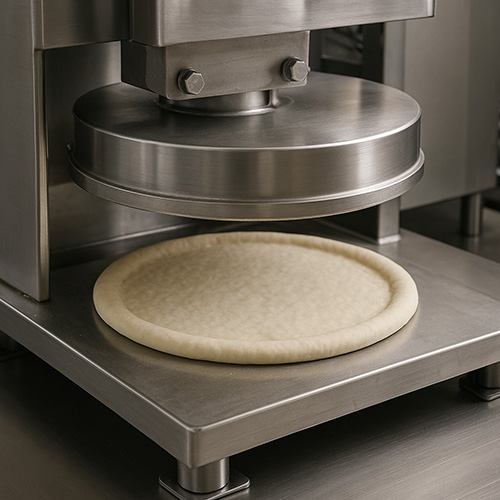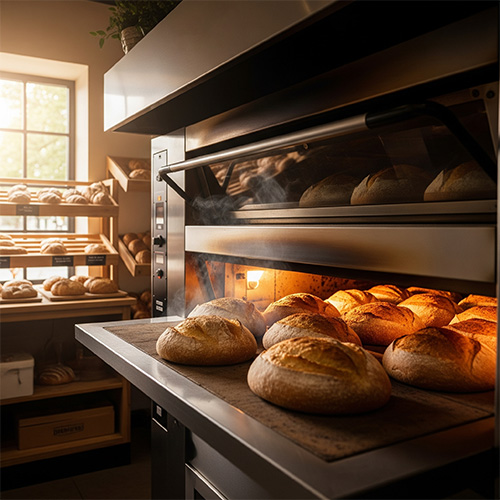


A bread kneading machine is a versatile appliance designed to automate the process of mixing and kneading dough, reducing the time and effort required for traditional bread-making. These machines are widely used by both home bakers and small-scale bakery operations due to their ability to produce consistent dough texture, uniform loaf structure, and high-quality results. According to research on food technology trends, automation in baking equipment has increased efficiency by up to 40% compared to manual kneading methods.
Modern bread kneading machines often come with programmable settings for different types of bread, such as white, whole wheat, sourdough, and gluten-free varieties. This flexibility allows users to experiment with recipes without worrying about inconsistent kneading or overworked dough.
Before using your bread kneading machine for the first time, proper setup and understanding of the device are crucial. Start by unpacking the machine and checking all components, including the mixing bowl, kneading blades, and any removable attachments. Ensure the machine is placed on a stable, dry surface and connected to a reliable power source.
Familiarize yourself with the control panel, noting programs, speed settings, and timers. Safety precautions, such as keeping fingers away from moving blades and ensuring the lid is securely closed during operation, should always be observed.
Selecting the right ingredients is essential for successful bread-making. Begin with high-quality flour suited for your chosen recipe. Yeast, water, salt, and optional additives such as sugar or oil must be measured accurately to achieve the correct dough consistency.
Tip: According to a study on dough elasticity and gluten formation, precise water-to-flour ratios significantly improve dough kneading performance in automated machines. For beginners, using simple recipes like basic white bread helps you understand how the machine operates before experimenting with more complex variations.
Even with careful preparation, some common issues may arise. Here’s a helpful troubleshooting guide:
| Issue | Possible Cause | Recommended Solution |
|---|---|---|
| Dough not mixing properly | Ingredients not measured accurately | Recheck ingredient ratios and redistribute them evenly in the bowl |
| Machine making unusual noises | Blade misalignment or foreign object | Stop machine, inspect blades, and remove any debris |
| Dough too sticky or dry | Incorrect water-to-flour ratio | Adjust small amounts of water or flour and rerun kneading cycle |
| Overfilled bowl | Exceeding machine capacity | Reduce ingredients to recommended maximum levels |
Maintaining your bread kneading machine is vital for hygiene and performance. After each use, remove the mixing bowl and kneading blades for washing with warm water and mild detergent. Avoid harsh chemicals or abrasive brushes that can damage non-stick surfaces. Wipe the exterior with a damp cloth, taking care around the control panel and electrical components.
Routine maintenance, such as checking the blades for wear and lubricating moving parts if specified in the manual, can prolong the machine’s lifespan. Regular cleaning also prevents bacterial growth, ensuring your bread remains safe and fresh.
Bread kneading machines offer several advantages over traditional hand kneading or standard mixers. Machines provide uniform kneading, saving time and physical effort. According to research on bakery productivity, automated kneading can reduce labor by 30–50% while producing more consistent dough quality. For home bakers, this translates into fewer failed batches and more reliable results. Small bakeries benefit from higher production efficiency without needing additional staff for manual mixing.
Using a bread kneading machine for the first time can seem intimidating, but with proper preparation, ingredient selection, and understanding of your machine’s features, you can achieve professional-quality bread effortlessly. Regular cleaning, monitoring dough consistency, and following recommended kneading programs ensure longevity and optimal performance. With these practices, your bread kneading machine will become an indispensable tool for consistent, delicious, and high-quality bread at home or in a small bakery setting.
What is a bread kneading machine?
A bread kneading machine is an appliance that automatically mixes and kneads dough, ensuring consistent texture and saving time compared to manual kneading.
How do I use a bread kneading machine for the first time?
Start by measuring ingredients accurately, placing them in the bowl, selecting the appropriate program, and monitoring the kneading process until the dough is smooth and elastic.
Can a bread kneading machine handle different types of bread?
Yes, most machines can knead a variety of breads including white, whole wheat, sourdough, and gluten-free, depending on the program settings.
How should I clean and maintain my bread kneading machine?
Remove the bowl and kneading blades after each use, wash with warm water and mild detergent, wipe the exterior, and perform deep cleaning of all removable parts every 4–6 weeks.
Is a bread kneading machine worth buying for home use?
Absolutely. It saves time, produces consistent results, and allows home bakers to experiment with multiple recipes while ensuring high-quality bread every time.
If you’re unsure about which bread kneading machine is best for your home or bakery, our experts are here to help. Contact us today for a personalized consultation, and ensure your bread-making is consistent, efficient, and high-quality. Don’t wait to improve your baking—get in touch now to find the perfect bread kneading machine for your needs!