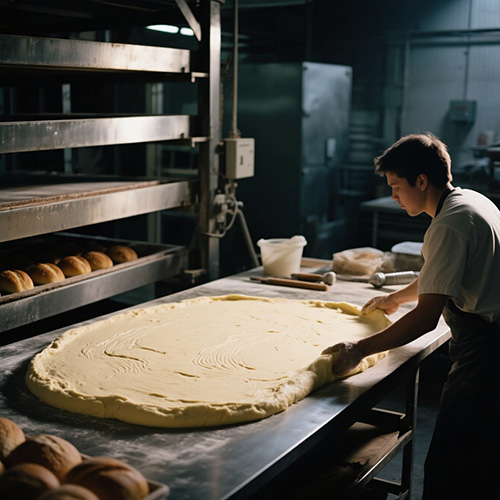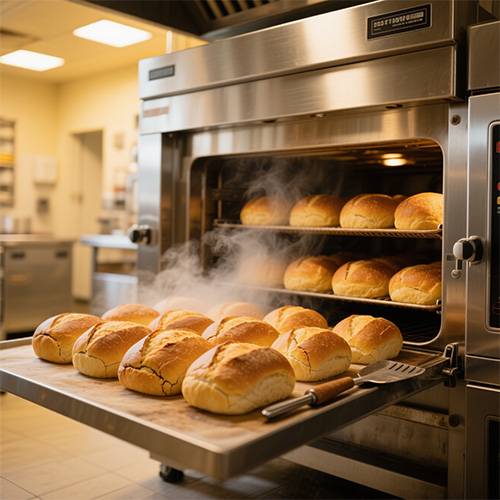

Automated kneading is an innovative and highly efficient process that has revolutionized the way various industries, particularly food production, handle dough, clay, and other ingredients. This technology allows for precise, consistent, and fast processing, which was once done manually. But what exactly is machine kneading, and how does it work? This comprehensive guide will answer all your questions, explaining the mechanics of Automated kneading, its benefits, and how it’s used across industries to enhance efficiency and consistency.
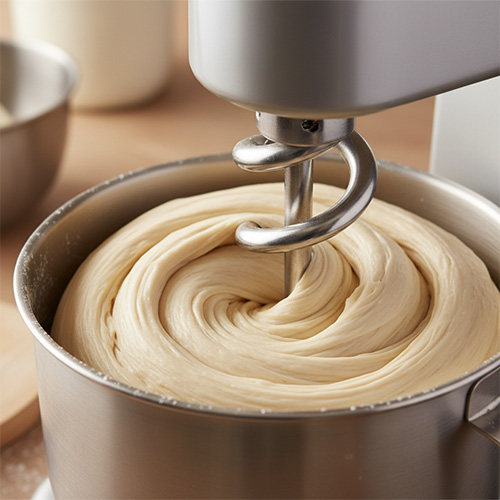
Automated kneading refers to the use of automated equipment to knead ingredients like dough or other substances to achieve a specific texture or consistency. Unlike traditional manual kneading, which requires significant human effort, machine kneading uses motors, paddles, or blades to mix and knead ingredients quickly and uniformly. The process mimics human-like kneading motions but offers faster results with greater precision.
In simple terms, automated kneading involves the mechanical mixing and processing of ingredients until they reach the desired texture. This is particularly useful in the food industry, where kneading dough is a crucial step in making bread, pizza crusts, and other baked goods.
The key difference between manual and machine kneading lies in speed and consistency. Manual kneading, while effective, can be inconsistent depending on the skill of the person doing the work, and it takes much longer to achieve the desired results. In contrast, Learn what machine kneading is, how it works, and its benefits for industries like food production. Discover how to choose the right kneading system for your needs. ensures uniform texture, reduces the need for skilled labor, and speeds up production times, making it an ideal solution for large-scale manufacturing.
Automated kneading systems are designed to perform the kneading process automatically. The core components include a rotating mechanism, paddles, or blades that mix and knead the ingredients. These systems can operate in various ways depending on their design, with horizontal or vertical kneaders being the most common configurations.
Automated kneading systems typically consist of a motor that powers a set of paddles or blades. These paddles rotate at a specific speed and pressure, effectively kneading the dough or ingredients. The machine’s settings can be adjusted for different types of kneading, such as soft kneading for pizza dough or more intense kneading for bread.
Here’s how the process works step-by-step:
There are two primary types of automated kneading:
Automated kneading offers several advantages over traditional manual kneading methods. It allows businesses to increase efficiency, maintain high product consistency, and save on labor costs.
Automated kneading significantly reduces the time required to prepare dough or other kneaded substances. A task that might take several minutes manually can be completed in a fraction of the time with a kneading machine. This results in faster production cycles and higher throughput.
The consistency of dough quality is critical in the food industry, particularly when producing large volumes of baked goods. Automated kneading ensures that every batch of dough is kneaded uniformly, maintaining the same texture and quality across the entire production.
While the initial cost of purchasing a machine kneading system might seem high, the long-term benefits outweigh the investment. Automated kneading reduces the need for manual labor, minimizes errors, and improves product quality, all of which lead to cost savings over time.
Machine kneading systems are not limited to the food industry. Various industries use kneading machines to process different types of materials, such as clay, plastics, and even pharmaceuticals.
In bakeries, automated kneading is essential for processing large quantities of dough. It helps bakers achieve consistent, high-quality dough every time, which is crucial for products like bread, pastries, and cakes. This technology also reduces labor costs and speeds up production.
Machine kneading is used extensively in food manufacturing, particularly in the production of items like pizza crusts, bagels, and pasta. Industrial kneading systems allow manufacturers to scale production while maintaining high-quality products.
Automated kneading is also applied in industries outside of food, such as ceramics and plastics. In these sectors, kneading machines are used to mix and knead raw materials, ensuring consistency in the final product.
Selecting the right automated kneading for your business depends on several factors, such as production volume, space limitations, and the type of materials being processed.
When evaluating automated kneading systems, consider the following:
Several brands specialize in manufacturing high-quality kneading machines. It’s important to research the models that best suit your needs, considering factors such as capacity, features, and warranty.
Regular maintenance of your kneading system is crucial to ensure it continues to operate efficiently and effectively.
| Feature | Horizontal Kneader | Vertical Kneader |
|---|---|---|
| Batch Size | Large-scale production | Suitable for smaller batches |
| Space Requirements | Requires more space | More compact, space-saving |
| Speed | Faster kneading for larger volumes | Efficient for smaller operations |
| Product Types | Best for dough-heavy products | Ideal for delicate materials |
| Maintenance | May require more frequent service | Lower maintenance, compact parts |
As technology continues to advance, automated kneading systems are becoming more efficient and sophisticated. The integration of AI, automation, and sensors is transforming the way kneading systems operate.
Modern kneading systems are becoming smarter, with some machines capable of adjusting kneading cycles based on the texture of the material. These systems use sensors to monitor the dough’s consistency and automatically adjust the speed and pressure for optimal results.
With the increasing focus on sustainability, future kneading systems may incorporate energy-efficient designs and environmentally friendly materials. Additionally, manufacturers are looking into more customizable machines that can handle a variety of ingredients beyond just dough.
Machine kneading is an essential technology for modern food production and beyond. It offers significant advantages in terms of efficiency, consistency, and cost-effectiveness. Whether you’re in the bakery industry, food manufacturing, or any other sector requiring kneading, investing in the right machine kneading system can improve your production process and ensure high-quality products. As technology continues to evolve, automated kneading systems will only become more efficient, further shaping the future of production in various industries.
What is the best machine for kneading dough?
The best machine for kneading dough depends on your specific needs, such as the volume of dough, the types of products being made, and available space. Horizontal kneaders are generally better for large-scale operations, while vertical kneaders are more compact and suitable for smaller operations.
How much does a commercial kneading machine cost?
The cost of a commercial kneading machine varies based on its size, features, and capacity. Small to mid-range machines typically start at a few thousand dollars, while industrial models can cost tens of thousands.
How often should machine kneading systems be maintained?
It’s essential to follow the manufacturer’s recommendations, but in general, cleaning and basic maintenance should be done after each use, while more in-depth inspections should occur quarterly.
Can machine kneading handle different types of dough?
Yes, machine kneading systems can be adjusted to handle different dough types, from soft pizza dough to denser bread dough, providing flexibility for various baked goods.
Are there safety concerns with machine kneading systems?
As with any machinery, there are safety considerations, including the risk of injury from moving parts. Always ensure that operators are properly trained and follow safety guidelines.
If you’re unsure about which automated kneading system best suits your production needs, our experts are here to guide you. Contact us today for a personalized consultation, and ensure your operations run efficiently and consistently. Don’t let production delays slow you down—get in touch now and optimize your kneading process for maximum output and quality!