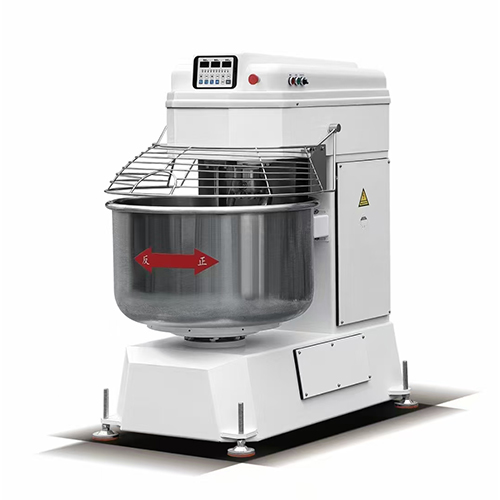

When it comes to running a bakery efficiently, a mixer machine for bakery is more than just equipment—it’s the backbone of your dough production and overall workflow. Whether you’re producing artisanal bread, pastries, or large batches of cakes, selecting the right mixer can drastically improve consistency, save time, and reduce labor costs. In this guide, you’ll learn everything you need to know about choosing, using, and maintaining a mixer machine for bakery to maximize your bakery’s productivity.
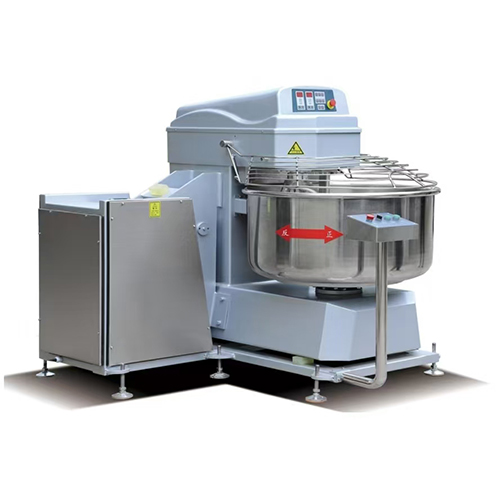
A mixer machine for bakery is designed to combine ingredients into a homogenous dough or batter efficiently. Unlike manual mixing, these machines ensure consistent mixing, proper gluten development, and uniform texture in your baked products.
The primary components include a mixing bowl, agitator or hook, speed control system, and safety features. Depending on your bakery size, you may opt for small-scale mixers suitable for artisan bakeries or industrial mixers for commercial operations. Understanding how these machines work will help you make an informed purchase.
Not all mixers are created equal, and choosing the type that fits your bakery’s production needs is critical. Common types include:
Each type has its advantages. Spiral mixers are efficient for bread, planetary mixers are versatile for delicate dough, and horizontal mixers excel in large-scale production.
When selecting your mixer machine, consider:
To help you visualize the differences, here’s a comparison of common bakery mixers:
| Mixer Type | Max Dough Capacity | Mixing Speed (RPM) | Ideal Use | Estimated Daily Output |
|---|---|---|---|---|
| Spiral | 50 kg | 60-120 | Bread | 400-600 kg |
| Planetary | 20 kg | 80-200 | Pastry | 150-250 kg |
| Horizontal | 100 kg | 40-90 | Large Bread | 800-1000 kg |
According to industry reports, bakeries using spiral mixers for bread production achieve up to 20% higher dough quality consistency compared to manual or planetary methods.
A proper setup ensures safety and operational efficiency. Industrial mixers require adequate floor space, electrical connections, and ventilation. Place the mixer in a location that allows easy ingredient loading and provides sufficient clearance for cleaning and maintenance. Safety features, such as emergency stops and guards, are crucial to prevent accidents during operation.
To keep your mixer in optimal condition:
Consistent maintenance not only extends the life of your mixer but also ensures uniform dough quality.
These examples highlight how choosing the right mixer can directly impact productivity and product quality.
Implementing these strategies ensures you get the most out of your mixer machine for bakery.
How do I choose the right mixer machine for my bakery?
Consider dough type, batch size, and production volume.
Can one mixer handle multiple types of dough?
Planetary mixers offer versatility for softer doughs, while spiral and horizontal are specialized for bread or large volumes.
What maintenance is required?
Daily cleaning, lubrication, and periodic inspection of mechanical parts are essential.
How much energy does a commercial mixer consume?
Consumption varies by model; industrial mixers are designed for efficiency, but power needs should be calculated based on batch volume.
Will a mixer improve dough consistency?
Yes, machines ensure uniform mixing, leading to more consistent baked products.