
If you run a bakery or regularly bake large quantities of dough, you understand that the right kneading tool can make or break your production efficiency. Choosing between a manual and an electric kneading tool is not just about convenience—it’s about optimizing dough quality, minimizing labor, and ensuring consistency across batches. In this guide, we’ll walk you through the differences, applications, and tips to select the perfect dough mixer for your bakery.
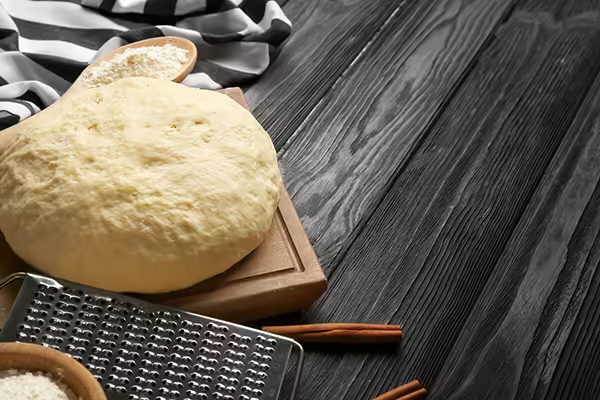
A kneading tool is any device used to mix and develop dough by working the flour and liquids together. It is essential in activating gluten networks, which give bread and pastries their structure and texture. Kneading tools vary widely—from simple hand-held paddles to sophisticated electric machines with programmable settings. Materials typically include stainless steel for durability, silicone for flexibility, and occasionally wood for artisanal manual tools. While home bakers may benefit from small paddles or rolling pins, commercial operations often require larger, heavier-duty machines designed for continuous use.
Manual dough mixers rely on human force to mix and stretch dough. Techniques include folding, pressing, and rolling the dough repeatedly to develop the gluten network. The main advantages of manual kneading are the tactile feedback and control it provides—you can feel the dough’s elasticity and adjust pressure accordingly. However, it can be time-consuming and labor-intensive, especially when producing large batches. For small-scale bakeries or artisan bread makers, manual tools often remain a reliable choice, especially when precision and hands-on control are important.
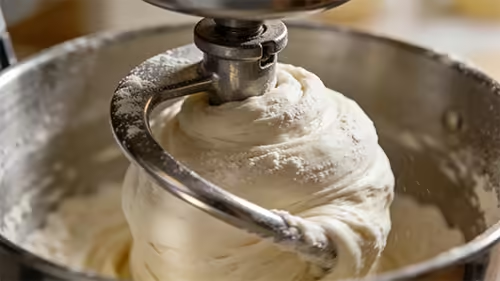
Electric kneading tools use motorized arms to mix, stretch, and fold dough at consistent speeds. Many models allow adjustable speed settings, timers, and programmable cycles for different dough types. The main advantage of electric tools is efficiency—they can handle larger volumes of dough, reduce physical strain, and maintain consistent texture throughout the batch. The trade-offs are higher upfront costs, reliance on electricity, and the need for routine maintenance, such as checking motor components and attachments. For medium to large bakeries, electric dough mixers are often indispensable.
To make your decision easier, here’s a comparison of key factors between manual and electric kneading tools:
| Feature | Manual Kneading Tool | Electric Kneading Tool |
|---|---|---|
| Speed | Slow, user-dependent | Fast, motorized |
| Dough Consistency | Variable, skill-dependent | Highly consistent |
| Effort Required | High | Low |
| Batch Size | Small to medium | Small to large |
| Cost | Low | Higher upfront investment |
| Maintenance | Minimal | Requires regular motor checks |
| Durability | Long-lasting | Dependent on motor & parts |
| Learning Curve | Low | Moderate, requires training |
This table shows that manual tools excel in low-cost, low-volume settings, while electric tools shine when consistency and volume are key.
When selecting your dough mixer, consider these factors:
Assessing these factors helps ensure you select a tool that meets both operational needs and financial considerations.
By understanding the nuances of each type, you can extract maximum performance from your dough mixer.
These examples demonstrate that matching the right tool to your operational needs can optimize efficiency, consistency, and product quality.
Proper maintenance is essential for longevity and performance:
Following these steps ensures reliability and minimizes downtime in busy bakery environments.
Choosing between a manual and electric kneading tool depends on your bakery size, production volume, and product type. Manual tools are cost-effective, durable, and ideal for artisan or low-volume bakeries. Electric tools excel in high-volume settings, offering speed, consistency, and reduced labor demands. By evaluating your operational needs, production targets, and budget, you can select the right kneading tool that enhances efficiency and dough quality.
Can I use a manual kneading tool for large batches?
Manual tools are best for small to medium batches. For large-scale production, electric tools provide better efficiency and consistency.
How often should I maintain an electric kneading tool?
Check and clean attachments after each use and perform a full inspection of motors and moving parts monthly.
Does over-kneading affect dough quality?
Yes. Over-kneading can make dough overly elastic, leading to denser, tougher baked goods.
Are manual dough mixers suitable for gluten-free dough?
Yes, manual kneading provides better tactile control, which is helpful for delicate gluten-free doughs.
Can I switch from manual to electric dough mixers without retraining staff?
Some training may be required to optimize electric machine settings and prevent overuse or underuse.
Need Help Choosing the Right Commercial Dough Kneading Machine?
If you’re unsure which kneading machine is best for your bakery’s needs, our experts are here to guide you. Contact us today for a personalized consultation, and ensure your dough preparation is efficient, consistent, and high-quality. Don’t wait to optimize your bakery—get in touch now to elevate your production and delight your customers!