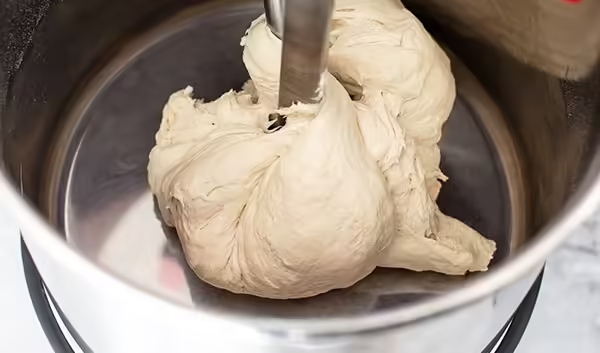

When it comes to running a successful bakery or food production facility, the way you handle dough can make or break your operation. Investing in a reliable machine kneading system isn’t just about automation—it’s about achieving consistency, efficiency, and quality at scale. From artisanal bread to large-scale industrial production, choosing the right kneading machine impacts your workflow, production cost, and final product quality.
In this comprehensive guide, we’ll walk you through the types of machine kneading systems, their advantages, how to select the right one for your operation, and real-world examples of bakeries optimizing production using advanced kneading technology.
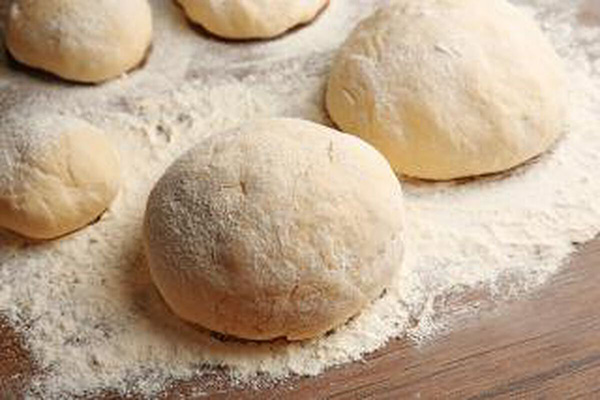
Machine kneading is the process of mixing flour, water, yeast, and other ingredients mechanically to develop dough with optimal elasticity, uniformity, and texture. While manual kneading works for small batches, it’s impractical for high-volume operations due to inconsistent results and labor intensity.
Key benefits of using machine kneading systems include:
Case Example: A mid-size bakery producing 2,000 loaves daily implemented a planetary kneading machine and achieved uniform dough consistency, reducing defective products by 18% within the first month, according to internal quality reports.
There are several types of machine kneading systems, each designed for specific production needs:
| Machine Type | Capacity (kg per batch) | Ideal Use | Key Features |
|---|---|---|---|
| Spiral Mixer | 20–300 | Bread, pizza dough | Strong spiral hook, fast mixing |
| Planetary Mixer | 5–100 | Cakes, pastries | Multi-function attachments, gentle kneading |
| Horizontal Mixer | 50–500 | Large-scale industrial dough | Continuous operation, high-capacity mixing |
| Twin-Shaft Mixer | 100–1000+ | Heavy doughs, gluten-rich breads | High torque, robust build, ideal for long fermentation |
Each type of machine kneading system serves a distinct purpose, and understanding your production requirements is crucial for selecting the right equipment.
Different doughs have varying elasticity and hydration needs. Heavy doughs, such as whole wheat or gluten-rich bread, require machines with higher torque and slower mixing speeds to avoid overheating the dough.
Your daily output determines the ideal machine capacity. For example, a bakery producing 1,500–2,000 loaves per day may benefit more from a horizontal or spiral mixer, whereas smaller artisanal bakeries can rely on planetary mixers for flexibility.
Modern machine kneading systems come with programmable timers, variable speed controls, and sensors to ensure precise dough development. These features allow operators to maintain consistency and reduce human error.
High-capacity machines must be easy to clean and maintain. Look for machines with removable bowls, hygienic surfaces, and robust build quality. Regular maintenance schedules can prevent downtime and prolong machine lifespan.
Operational Efficiency: Machine kneading dramatically reduces the time required to prepare dough, increasing daily production capacity.
Consistency: Automated kneading ensures each batch has the same texture and elasticity, reducing waste.
Labor Savings: Fewer staff are needed for repetitive mixing tasks, allowing you to allocate resources to other areas of production.
Versatility: Many machines offer attachments for mixing, whipping, or folding, enabling multiple recipes in a single machine.
Case Example: A bakery specializing in artisanal rolls integrated a twin-shaft kneader, resulting in a 35% faster mixing process and a 22% reduction in labor costs over three months.
For optimal efficiency, the kneading machine should fit seamlessly into your overall bakery workflow. Consider:
Example Layout: A medium-scale bakery producing 2,500 loaves/day optimized their production line by placing a spiral kneading machine directly next to a dough divider and a deck oven. This layout reduced dough handling time by 40%, according to operational data.
Even high-quality machines require proper handling. Common issues include:
Maintenance Tip: Lubricate moving parts monthly and clean the machine after each shift to prevent dough buildup and reduce contamination risk.
| Bakery Type | Machine Type | Daily Output | Result |
|---|---|---|---|
| Artisanal Bread Bakery | Planetary Mixer | 500 loaves | Reduced defective dough by 15% |
| Mid-Scale Bakery | Spiral Mixer | 2,000 loaves | Increased throughput by 25% |
| Industrial Bread Plant | Twin-Shaft Mixer | 5,000 loaves | Labor savings of 30%, uniform dough consistency |
| Pastry Production Facility | Planetary Mixer | 1,200 kg | Improved cream and dough texture, minimized wastage |
These examples illustrate that selecting the right machine kneading system can drastically improve operational efficiency, product consistency, and profitability.
Investing in a machine kneading system is one of the most impactful decisions you can make for your bakery. From improving dough consistency to increasing throughput and reducing labor costs, the right machine ensures your production line runs smoothly and efficiently. By understanding the types, features, and maintenance practices outlined above, you can select the equipment that best suits your bakery’s unique needs.
How do I know which machine kneading system is right for my bakery?
Consider your daily production volume, dough types, available floor space, and automation needs. Consulting with a food equipment manufacturer can help tailor a solution.
Can one kneading machine handle multiple dough types?
Yes, machines with programmable speed and attachments can manage different dough consistencies, from bread to pastries.
What maintenance schedule is recommended for a kneading machine?
Clean after each use, inspect moving parts weekly, and perform a full service every 3–6 months depending on usage.
How long does it take to see ROI after purchasing a kneading machine?
Most bakeries see ROI within 1–3 years, depending on increased efficiency and labor cost savings.
Is it possible to automate the kneading process completely?
Yes, advanced systems can include automated ingredient loading, mixing, and dough discharge for minimal human intervention.