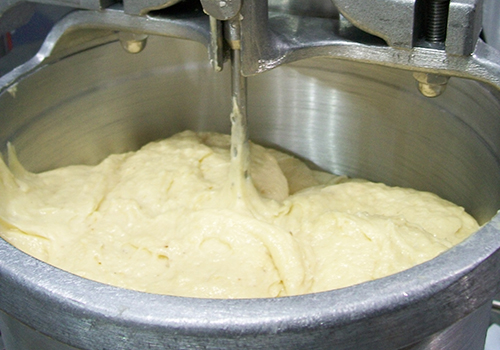

A commercial food mixer machine is a core piece of equipment in professional kitchens, bakeries, and food processing facilities. Choosing the right mixer not only improves production efficiency but also ensures consistent food quality and long-term operational stability.
As a professional commercial food mixer machine manufacturer, we work closely with global buyers, distributors, and food businesses. This guide is designed to help you understand different mixer types, applications, technical considerations, and why sourcing directly from a manufacturer can create long-term value for your business.
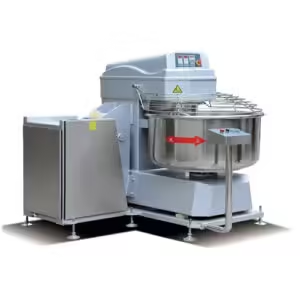
A commercial food mixer machine is a heavy-duty mixing device designed for continuous use in professional and industrial environments. Unlike domestic mixers, commercial models are built with stronger motors, larger bowl capacities, and reinforced components to handle demanding workloads.
Commercial mixers are widely used for mixing dough, batter, sauces, creams, and other food ingredients. Their reliability and performance make them essential for bakeries, restaurants, catering operations, and food production plants.
Different food applications require different mixing methods. The most common commercial food mixer types include:
Each type offers specific advantages depending on production volume, product consistency, and kitchen workflow.
Commercial food mixer machines are used across many industries, including:
Selecting a mixer that matches your application ensures smoother operations and consistent results.
When choosing a commercial food mixer machine, buyers should consider several practical factors:
A properly matched machine helps reduce downtime and improves long-term cost efficiency.
Technical specifications play a critical role in purchasing decisions, especially for distributors and professional buyers. Below is a comparison of common specification considerations:
| Specification Factor | Why It Matters for Commercial Use |
|---|---|
| Motor Power | Ensures stable performance under heavy loads |
| Bowl Capacity | Determines batch size and productivity |
| Bowl Material | Food-grade stainless steel improves hygiene |
| Voltage Options | Supports different regional electrical standards |
| Machine Size | Fits available kitchen or factory space |
Understanding these specifications helps buyers select equipment that meets both current and future production needs.
Planetary mixers are highly versatile and suitable for multi-purpose kitchens, while spiral mixers are optimized for dough-heavy operations. Spiral mixers typically offer better dough structure and temperature control, whereas planetary mixers provide flexibility for various food types.
Choosing between the two depends on product focus, production scale, and desired mixing performance.
Sourcing directly from a manufacturer offers clear advantages for professional buyers and distributors:
Manufacturers also provide better technical support and long-term cooperation compared to resellers.
As a commercial food mixer machine manufacturer, we offer flexible solutions tailored to different markets:
These options allow partners to build competitive product lines while maintaining quality and reliability.
Reliable commercial food mixer machines must comply with international quality and safety standards. Professional manufacturers implement strict inspection processes and use food-grade materials to ensure compliance.
Equally important is after-sales support, including warranty coverage, spare parts availability, and technical assistance, which helps buyers reduce long-term operational risks.
Selecting the right commercial food mixer machine is a strategic decision for any food business or distributor. The ideal solution balances performance, durability, and cost efficiency while meeting specific production requirements.
By working directly with an experienced manufacturer, buyers gain access to factory-direct pricing, customization options, consistent quality, and reliable long-term support. Whether you are expanding production or building a distribution network, a well-designed commercial food mixer machine is an investment that supports sustainable growth.
A commercial food mixer machine is used to mix dough, batter, cream, and other food ingredients in professional kitchens, bakeries, and food processing facilities. It is designed for heavy-duty, continuous operation.
Commercial food mixers are built with stronger motors, larger bowl capacities, and more durable components, making them suitable for high-volume and long-term commercial use, unlike domestic mixers designed for light, occasional tasks.
For bakeries, spiral mixers are ideal for bread and pizza dough, while planetary mixers are more suitable for cakes, pastries, and multi-purpose mixing. The best choice depends on your production needs.
Yes. Professional manufacturers offer OEM and customization options, including bowl capacity, voltage, motor power, and private labeling to meet specific market and operational requirements.
Buyers should evaluate product quality, manufacturing experience, certification standards, customization capability, after-sales support, and the supplier’s ability to handle bulk and international orders.
If you’re unsure which commercial food mixer machine best fits your production needs, our experts are here to help. Contact us today for a personalized consultation, and get professional recommendations tailored to your bakery, restaurant, or food processing operation. Don’t compromise on efficiency and quality—get in touch now to find a reliable, factory-direct solution for your business!