
Welcome to My Blog!
Before we dive into the content, if you’re interested in our products or have any questions, please feel free to visit our Contact Us page on the website. Our team is ready to assist you with inquiries, orders, or any support you may need.
Now, let’s get started on our journey together. I hope you find the content here insightful, engaging, and valuable.
Industrial electric bakery ovens are essential for large-scale baking operations. Unlike small household ovens, these machines are engineered to handle high volumes of bread, pastries, and other baked goods while maintaining consistent quality. They offer precise temperature control, even heat distribution, and energy efficiency, helping bakeries reduce waste, improve product uniformity, and increase overall productivity.
Modern ovens often include programmable controls, rapid preheating, and multi-zone baking capabilities, allowing bakeries to produce different products simultaneously without compromising quality. According to industry research, bakeries using electric ovens report up to 20% higher energy efficiency compared to conventional gas ovens.
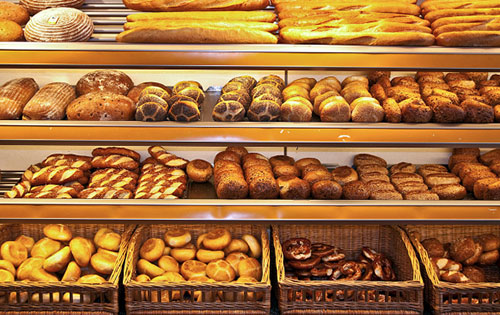
Deck ovens are ideal for artisan-style bread and pastries. Each deck can be controlled individually for precise temperature and humidity, enabling unique baking profiles for each product. They are suitable for bakeries focusing on small batches with high-quality finishes.
Conveyor ovens support continuous production lines. Dough products move on a conveyor belt through multiple heating zones, ensuring uniform baking and high throughput. They are perfect for medium to large-scale bakeries producing standard bread or bakery items.
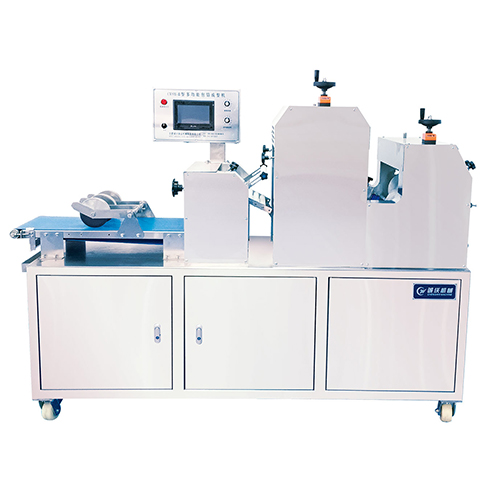
Tips: This is a professional food processing machine specifically designed for bread production. It automates multiple steps, including dough mixing, fermentation, shaping, and baking, significantly improving production efficiency and ensuring consistent product quality. With advanced temperature and humidity control technology, it precisely manages every stage of the production process, resulting in superior bread quality. This bread machine is ideal for industrial bread production, chain bakeries, and large food processing plants, helping businesses optimize production, reduce labor costs, and enhance market competitiveness.
Rack ovens are designed for high-volume production. Multiple trays are baked simultaneously, making them ideal for industrial bakeries. Advanced models provide programmable racks and airflow control, reducing baking time while ensuring uniform color and texture.
| Oven Type | Capacity (loaves/hour) | Energy Use (kWh) | Best For |
|---|---|---|---|
| Deck Oven | 100–200 | 12–15 | Artisan breads, pastries |
| Conveyor Oven | 200–500 | 18–22 | Standard bread, medium-scale output |
| Rack Oven | 300–600 | 20–25 | High-volume industrial bakeries |
When selecting an industrial electric bakery oven, consider these critical elements:
Electric bakery ovens provide several advantages over traditional gas ovens:
Maintaining your electric bakery oven is critical for performance and safety:
To select the optimal oven:
A mid-sized bakery integrated a rack electric bakery oven with multi-zone control and programmable racks. After implementation, the bakery:
This demonstrates the tangible benefits of investing in the right electric bakery oven for industrial applications.
Investing in an industrial electric bakery oven is critical for efficient, high-quality baking operations. With careful selection based on production volume, product type, and energy efficiency, your bakery can optimize output, maintain product consistency, and reduce operating costs. Contact Chengwo Food Machinery today to explore customized electric bakery oven solutions for your production needs and take your bakery operations to the next level.
What is an electric bakery oven used for?
An electric bakery oven is designed for industrial and commercial baking, allowing consistent, high-volume production of bread, pastries, and other baked goods. Unlike small household ovens, it offers precise temperature control, even heat distribution, and larger capacity to meet bakery demands.
How do I choose the right electric bakery oven for my bakery?
When selecting an electric bakery oven, consider production volume, baking capacity per batch, temperature range, energy efficiency, and additional features such as steam injection or multiple decks. Compare different models based on your workflow to ensure optimal productivity.
What maintenance is required for an industrial electric bakery oven?
Regular maintenance includes cleaning baking chambers, checking heating elements, inspecting electrical connections, and monitoring temperature calibration. Proper maintenance ensures consistent baking quality and prolongs the oven’s service life.
Can an electric bakery oven handle different types of baked goods?
Yes, industrial electric bakery ovens are versatile. They can bake various products like bread, croissants, cakes, and pastries by adjusting temperature, humidity, and baking time according to the recipe requirements.