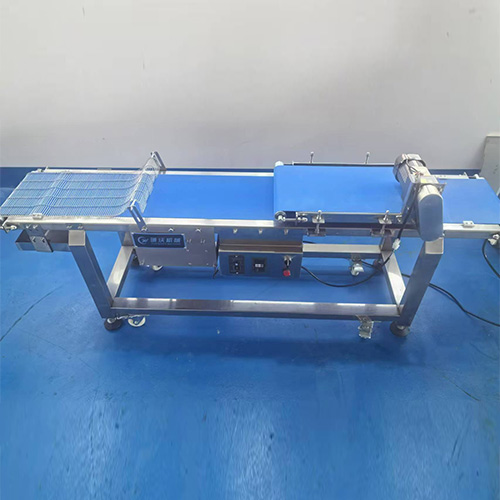

In modern bakeries, efficiency, consistency, and quality are paramount. Manual bread shaping can be labor-intensive and prone to inconsistencies, affecting product uniformity and overall productivity. A bread forming machine automates the dough-shaping process, ensuring every loaf meets professional standards.
Whether you run a commercial bakery or an industrial production line, investing in an automated bread forming machine can significantly streamline operations, reduce labor costs, and improve product consistency. By choosing the right equipment, you can optimize your workflow and focus on scaling your business.
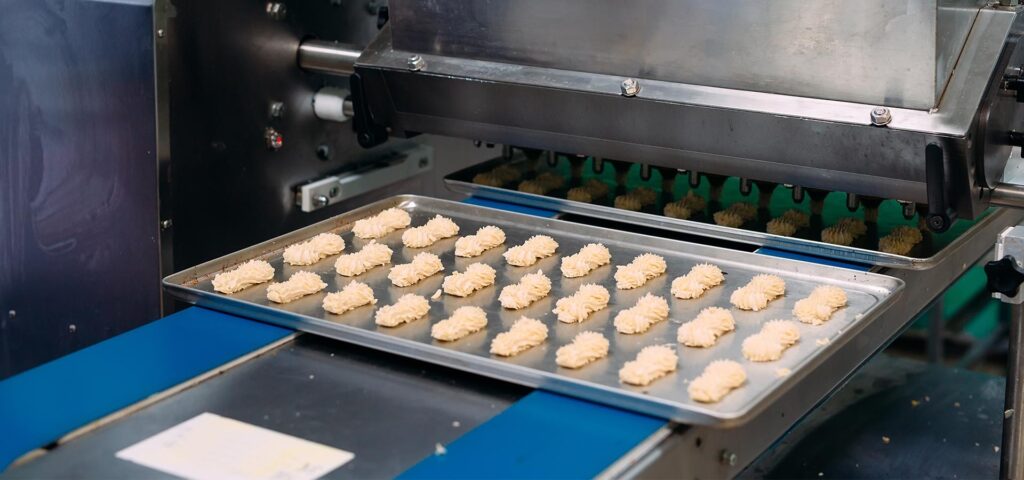
A bread-forming machine is designed to mix flour and other raw materials and knead dough until it reaches ideal uniformity and elasticity. Through strong stirring and shaping action, the machine produces perfectly formed dough ready for baking. The key steps include
There are multiple types of bread-forming machines, each suited to different production needs:
Selecting the correct type depends on your bakery’s size, production goals, and the variety of bread you produce.
When evaluating machines, consider the following features:
These features directly impact production consistency and labor requirements.
Industrial machines are designed for large-scale bakeries and factories. They offer:
Industrial machines reduce manual labor and are suitable for businesses producing thousands of loaves daily.
Commercial machines are suitable for smaller bakeries and artisan shops. They provide:
These machines are budget-friendly while still improving dough consistency and reducing manual effort.
Implementing a bread-forming machine enhances efficiency by:
According to industry research, bakeries using automated forming machines can increase output by up to 40% while maintaining uniform product quality.
Before purchasing, analyze:
Making a data-driven decision ensures long-term efficiency and ROI.
Proper maintenance extends the machine’s lifespan and ensures reliable performance.
A mid-sized bakery integrated a bread-forming machine into its production line. Results included:
This example demonstrates how automation directly impacts efficiency and profitability.
| Feature | Industrial Machine | Commercial Machine | Notes |
|---|---|---|---|
| Capacity | 2000 kg/day | 500 kg/day | Choose based on production volume |
| Speed | 60 loaves/min | 20 loaves/min | Adjust per bakery size |
| Dough Type | Various | Standard | Industrial machines handle sticky or enriched dough |
| Automation | Full line integration | Semi-automatic | Space & budget dependent |
| Maintenance | Moderate | Easy | Consider part availability and service |
A bread forming machine is essential for bakeries aiming to increase production, reduce labor costs, and achieve consistent quality. By understanding your bakery’s needs and comparing different models, you can select a machine that fits seamlessly into your production line.
For expert guidance and tailored solutions, contact Chengwo Food Machinery today to explore the right bread forming machine for your bakery and elevate your production efficiency.
What types of dough can a bread forming machine handle?
Most machines accommodate a variety of doughs, including standard, enriched, and sticky types.
How do I select the correct capacity for my bakery?
Assess daily production volume and choose a machine that exceeds your peak requirements.
Can a bread-forming machine integrate with my current production line?
Many machines are designed for full integration with mixers, proofing cabinets, and ovens.
What is the typical lifespan of a commercial bread-forming machine?
With proper maintenance, most machines last 10–15 years.
How often should I perform maintenance on the machine?
Routine cleaning after each shift and detailed inspections monthly or quarterly is recommended.
If you’re unsure which bread forming machine best fits your bakery or production line, our experts are ready to assist. Contact Chengwo Food Machinery today for a personalized consultation, and ensure your bakery achieves consistent quality and optimal efficiency. Don’t wait—reach out now to enhance your production and stay ahead in the market!